What the study found
The article argues that Western relations with Russian oligarchs changed quickly and unevenly after Russia’s war in Ukraine began. It describes an initial period of panic, followed by Russian oligarchs being dropped, sanctions by Western governments, and later action by the corporate world and art museums.
Why the authors say this matters
The authors say the pattern of responses can be understood through the analytical frame of “oligarch-washing,” a term they use to describe the changing handling of Russian oligarch money in the West. They present this concept for discussion as a way to make sense of these dynamics.
What the researchers tested
The article examines changing Western relations toward Russian oligarchs, focusing on the first weeks of Putin’s war in Ukraine and developments since then. The analysis is based on data gathered in real time.
What worked and what didn't
The article reports that the first responses were chaotic, panic-driven, spontaneous, and out of sync across institutions. It says Russian oligarchs were quickly dropped, art museums removed long-term trustees, Western governments imposed targeted sanctions, and the corporate world later joined in.
What to keep in mind
The abstract does not provide detailed methods, quantitative evidence, or a fuller explanation of how the real-time data were collected. The concept of oligarch-washing is presented for discussion rather than as a settled conclusion.
Key points
- Western responses to Russian oligarchs shifted rapidly after the war in Ukraine began.
- The article describes the early reaction as chaotic and panic-driven.
- Art museums, Western governments, and the corporate world responded in different ways and at different times.
- The authors use the term "oligarch-washing" to frame these dynamics.
- The concept is presented for discussion in the article.
Disclosure
- Research title:
- West’s relations with Russian oligarchs became hostile during the war
- Authors:
- Elisabeth Schimpfössl
- Institutions:
- Aston University
- Publication date:
- 2026-04-02
- OpenAlex record:
- View
- Image credit:
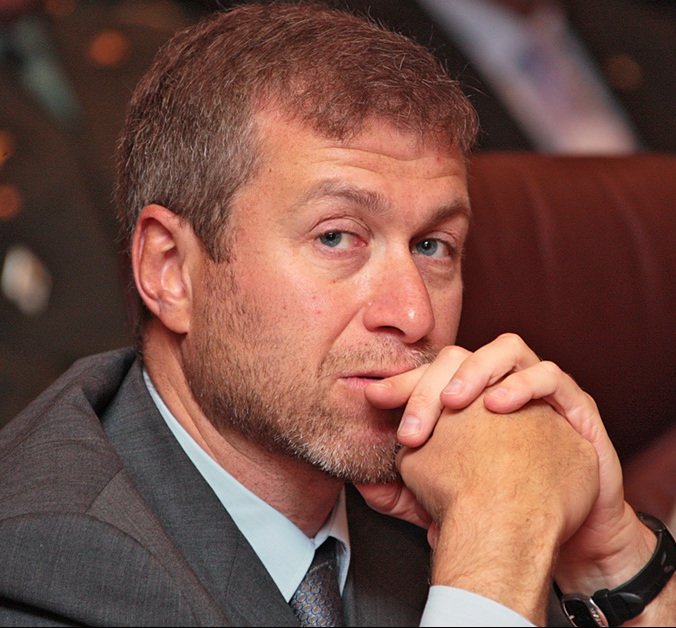
- Marina Lystseva, Wikimedia Commons, GFDL 1.2
Get the weekly research newsletter
Stay current with scholarly research without reading academic papers — one filtered digest, every Friday.