What the study found
The study found that gaseous organic nitrogen, meaning organic nitrogen in the air rather than in particles, contributed substantially to both wet and dry nitrogen deposition at a coastal Hong Kong site. It also found that water-soluble organic nitrogen was a major part of total nitrogen deposition over the year.
Why the authors say this matters
The authors say the findings help address gaps in nitrogen budgets because organic nitrogen is still under-monitored compared with inorganic nitrogen. They also conclude that coordinated measurements of gaseous and particulate organic and inorganic nitrogen are needed to better constrain nitrogen deposition budgets and ecological impacts.
What the researchers tested
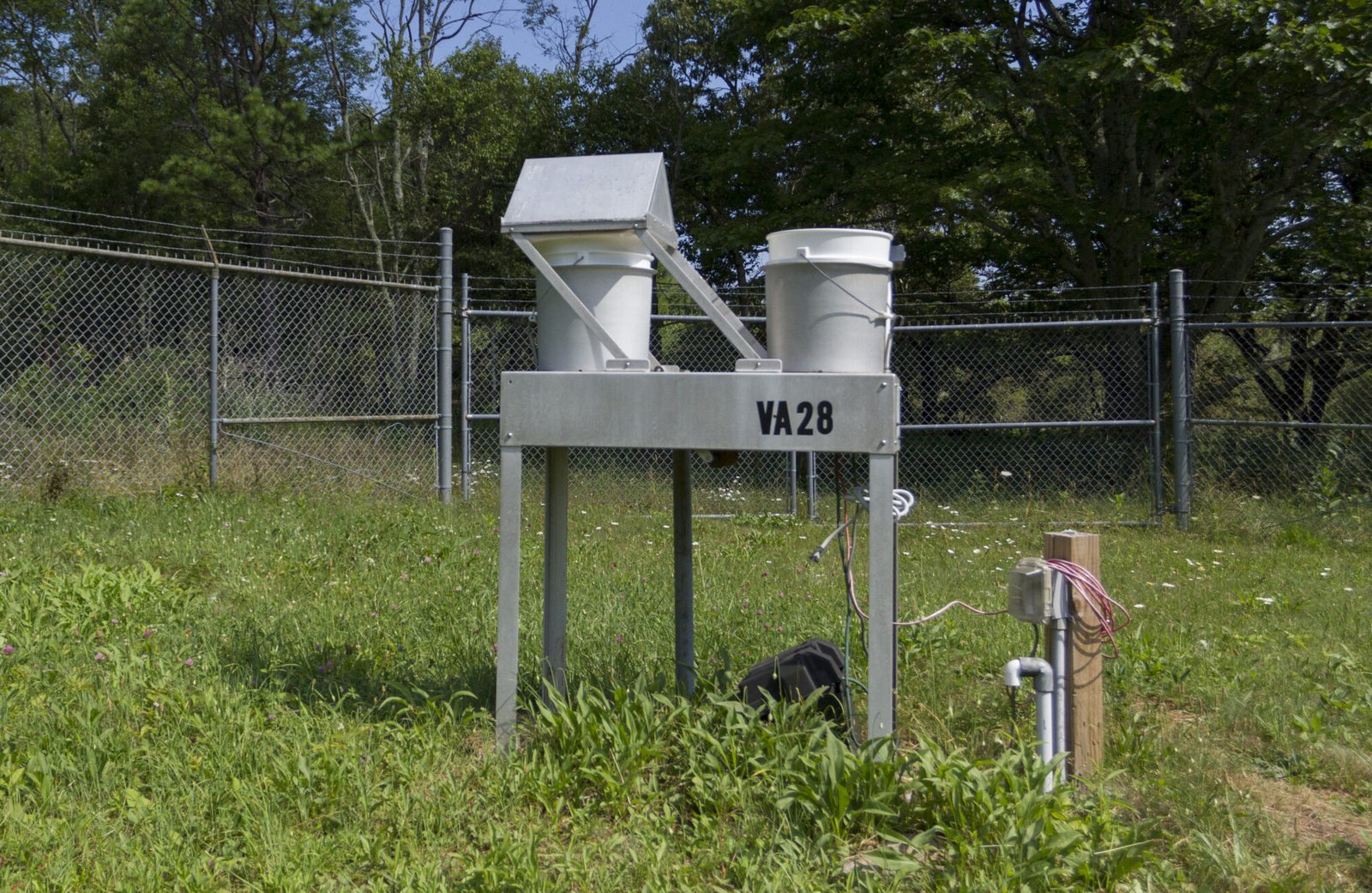
The researchers carried out year-long measurements of dry and wet deposition at a coastal Hong Kong site. They used a dual-surface collector that allowed simultaneous dry deposition to pure water and to a quartz filter, which let them compare water-soluble organic nitrogen and inorganic nitrogen in different deposition pathways.
What worked and what didn't
Dry deposition to water exceeded dry deposition to the filter by 26.6 times for ammonium-nitrogen, 1.6 times for nitrate-nitrogen, and 4.3 times for water-soluble organic nitrogen. The study reports that the gaseous contribution to dry organic nitrogen reached up to about 80% of the total flux, and that the fraction of water-soluble organic nitrogen was higher in wet deposition than in atmospheric particles.
What to keep in mind
The study was conducted at a single coastal site in Hong Kong, so the abstract does not say how broadly the results apply elsewhere. The abstract also does not describe specific limitations beyond noting that organic nitrogen is under-monitored and that more coordinated measurements are needed.
Key points
- Year-long measurements were made at a coastal Hong Kong site using a dual-surface collector.
- Dry deposition to water was much higher than dry deposition to a quartz filter for ammonium-nitrogen, nitrate-nitrogen, and water-soluble organic nitrogen.
- Gaseous organic nitrogen was reported to make up as much as about 80% of total dry organic nitrogen flux.
- Annual total nitrogen deposition was 39.2 ± 5.2 kg N ha−1 yr−1.
- Water-soluble organic nitrogen accounted for 28.7 ± 3.6% of annual total nitrogen deposition.
Disclosure
- Research title:
- Gaseous organic nitrogen makes a substantial share of nitrogen deposition
- Authors:
- Xu Yu, Wing Hei Marco Wong, Cong Cao, Kun Zhang, Liuqian Yu, Jianping Gan, Jian Zhen Yu
- Institutions:
- Guangdong University of Technology, Hong Kong University of Science and Technology, Hong Kong University of Science and Technology, Hong Kong University of Science and Technology, Hong Kong University of Science and Technology, Hong Kong University of Science and Technology, Hong Kong University of Science and Technology, Nanjing University of Information Science and Technology, Ocean Park Conservation Foundation, OceanX Technology (China), University of Hong Kong, University of Hong Kong, University of Hong Kong, University of Hong Kong, University of Hong Kong, University of Hong Kong, University of Hong Kong
- Publication date:
- 2026-03-30
- DOI:
- 10.1029/2025jd046052
- OpenAlex record:
- View
- Image credit:
- Mary O'Neill, Wikimedia Commons, Public domain
Get the weekly research newsletter
Stay current with scholarly research without reading academic papers — one filtered digest, every Friday.