What the study found
The study found that people with type 2 diabetes mellitus had altered iron-related magnetic susceptibility in several deep gray matter nuclei, and these changes were associated with cognitive performance. The authors report that iron accumulation in the substantia nigra, a deep brain region involved in movement and other functions, may help explain age-related cognitive decline.
Why the authors say this matters
The authors conclude that dysregulated brain iron metabolism may be related to cognitive dysfunction in type 2 diabetes mellitus. They also suggest that the substantia nigra may be important in age-related cognitive decline and that diabetes may speed up age-dependent iron deposition in this region.
What the researchers tested
This prospective study included 115 people with type 2 diabetes mellitus and 176 healthy controls. The researchers used 3-tesla magnetic resonance imaging with quantitative susceptibility mapping, a technique that estimates magnetic susceptibility as a proxy related to iron content, to assess eight bilateral deep gray matter nuclei, and they also gave participants neuropsychological tests and clinical assessments.
What worked and what didn't
Compared with healthy controls, the diabetes group showed significantly increased magnetic susceptibility in the thalamus, putamen, substantia nigra, and right red nucleus, while the caudate nucleus showed reduced susceptibility. Some regional measures were associated with cognitive test scores: caudate susceptibility correlated positively with MoCA and CDT, while putamen susceptibility correlated negatively with AVLT immediate and delayed scores and positively with GPT-L.
What to keep in mind
The abstract does not describe limitations in detail beyond the study being observational rather than experimental. The reported associations do not by themselves prove that iron changes caused the cognitive findings.
Key points
- Type 2 diabetes mellitus was associated with altered deep gray matter magnetic susceptibility on quantitative susceptibility mapping.
- Higher susceptibility was reported in the thalamus, putamen, substantia nigra, and right red nucleus.
- The caudate nucleus showed reduced susceptibility in the diabetes group.
- Some iron-related measures were correlated with cognitive test scores, including MoCA, CDT, and AVLT.
- Substantia nigra susceptibility partially mediated the effect of age on MoCA scores.
Disclosure
- Research title:
- T2DM is linked to altered deep gray matter iron and cognition
- Authors:
- K J Wang, Jiahe Wang, Ziyu Diao, Xin Tan, Shijun Qiu, Jie An
- Institutions:
- First Affiliated Hospital of Guangzhou University of Chinese Medicine, First Affiliated Hospital of Guangzhou University of Chinese Medicine, First Affiliated Hospital of Guangzhou University of Chinese Medicine, First Affiliated Hospital of Guangzhou University of Chinese Medicine, First Affiliated Hospital of Guangzhou University of Chinese Medicine, First Affiliated Hospital of Guangzhou University of Chinese Medicine, Guangzhou University of Chinese Medicine, Guangzhou University of Chinese Medicine, Guangzhou University of Chinese Medicine
- Publication date:
- 2026-07-03
- DOI:
- 10.1002/jmri.70432
- OpenAlex record:
- View
- Image credit:
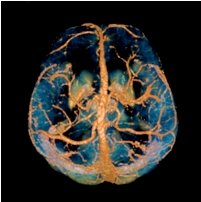
- Ericl.liu, Wikimedia Commons, CC BY-SA 3.0
Get the weekly research newsletter
Stay current with scholarly research without reading academic papers — one filtered digest, every Friday.