

What the study found
A single brief low-frequency, low-intensity electrical stimulation session produced long-lasting, ketamine-like structural and molecular changes in human induced pluripotent stem cell-derived dopaminergic neurons.
Why the authors say this matters
The authors conclude that these findings support low-frequency, low-intensity electrical stimulation as a neuromodulation approach targeting dopaminergic circuits in major depressive disorder and treatment-resistant depression. They also suggest it may help address stress hormone-related neuronal impairments.
What the researchers tested
The researchers applied brief biphasic low-frequency, low-intensity electrical stimulation to human iPSC-derived mesencephalic dopaminergic neurons using a custom culture-compatible stimulator. They measured structural plasticity three days later and used pharmacological blockers, quantitative PCR, and Western blot analyses to examine calcium influx, BDNF-TrkB-ERK-mTOR signaling, and dopamine D3 auto-receptors.
What worked and what didn't
A single 1-hour session at 4 mA increased maximal dendrite length, primary dendrite number, and soma area, with effects comparable to 1 μM ketamine. The stimulation rapidly increased ERK and p70-S6K phosphorylation, and blocking L-type voltage-gated calcium channels, TrkB, or mTOR prevented the structural remodeling. Increased dopamine D3 auto-receptor mRNA was also observed, and antagonizing this receptor attenuated the stimulation-induced plasticity. In cortisol-treated neurons, the stimulation fully reversed dendritic hypotrophy and soma shrinkage.
What to keep in mind
The abstract describes an in-vitro study in human iPSC-derived dopaminergic neurons, so the findings are limited to that model. The summary provided does not describe additional limitations beyond the experimental scope.
Key points
- A single 1-hour low-frequency, low-intensity electrical stimulation session produced ketamine-like changes in human dopaminergic neurons.
- The stimulation increased dendrite length, primary dendrite number, and soma area.
- Blocking L-type calcium channels, TrkB, or mTOR prevented the structural remodeling.
- The stimulation increased dopamine D3 auto-receptor mRNA, and receptor antagonism reduced the effect.
- In cortisol-treated neurons, the stimulation reversed dendritic hypotrophy and soma shrinkage.
Disclosure
- Research title:
- Brief electrical stimulation induced ketamine-like plasticity in human neurons
- Authors:
- Giulia Sofia Marcotto, Michela Borghetti, Jonida Bitraj, Laura Cavalleri, Mauro Serpelloni, Michele Zoli, Maurizio Memo, Emilio Sardini, Ginetta Collo
- Institutions:
- University of Brescia, University of Brescia, University of Brescia, University of Brescia, University of Brescia, University of Brescia, University of Brescia, University of Brescia, University of Modena and Reggio Emilia
- Publication date:
- 2026-04-05
- OpenAlex record:
- View
- Image credit:
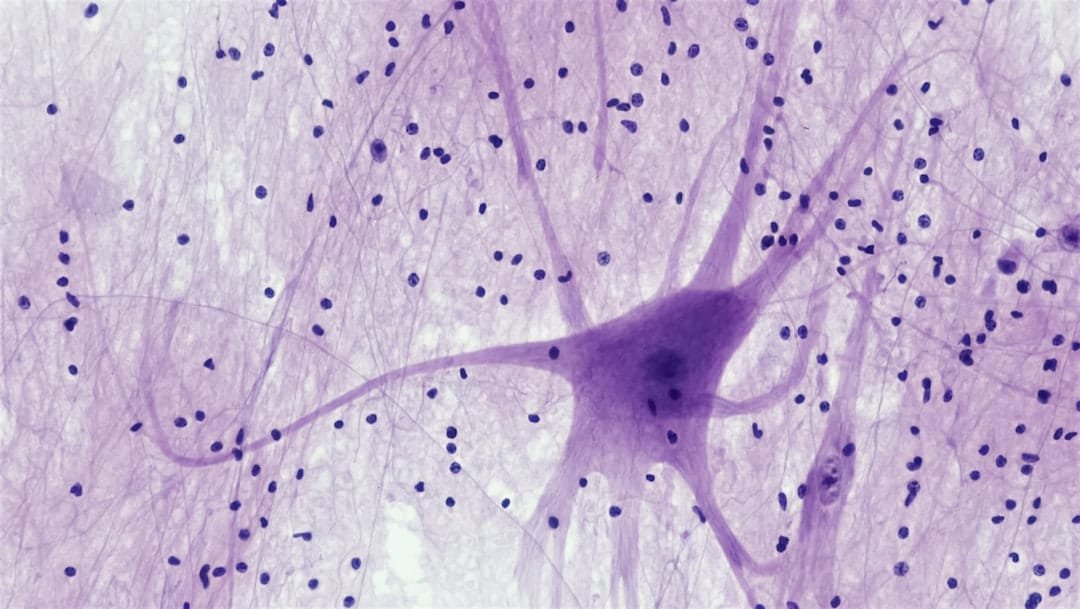
- Photo by Bioscience Image Library by Fayette Reynolds on Unsplash
Get the weekly research newsletter
Stay current with peer-reviewed research without reading academic papers — one filtered digest, every Friday.