What the study found
The study found that conditional diffusion models can generate plausible daily active and reactive power profiles for low-voltage distribution substations. The synthesized loads were described as plausible both on their own and as a cohort in a wider power systems context.
Why the authors say this matters
The authors say this matters because limited visibility of low-voltage power flows makes planning and congestion management difficult. They argue that more representative loads are needed for meaningful analysis of low-voltage substations, and that better scenario generation can support sub-regional network planning and operations.
What the researchers tested
The researchers proposed Conditional Diffusion models for synthesizing daily active and reactive power profiles at the low-voltage distribution substation level. They evaluated the outputs using conventional measures of temporal and statistical realism, as well as power flow modelling, and compared the approach against naive and commonly used generative models. They also tested multiple versions of the model to handle different levels of data availability, from unconditional synthesis to informed generation using metadata and daily statistics.
What worked and what didn't
The results showed that the synthesized load profiles were plausible both individually and collectively. The Conditional Diffusion model was benchmarked as effective compared with naive and commonly used generative models. The abstract does not report specific cases where the method failed.
What to keep in mind
The abstract does not provide numerical performance values, detailed limitations, or failure modes. It also frames the work around low-voltage distribution substations, so the findings are limited to that setting as described in the summary.
Key points
- Conditional diffusion models were used to synthesize daily active and reactive power profiles.
- The generated load profiles were described as plausible for individual substations and for groups of substations.
- The study used temporal, statistical, and power flow-based evaluation methods.
- The approach was compared with naive and commonly used generative models.
- The authors say more representative loads are needed for low-voltage planning and congestion analysis.
Disclosure
- Research title:
- Conditional diffusion produced plausible low-voltage load profiles
- Authors:
- Alistair Brash, Junyi Lu, Bruce Stephen, Blair Brown, Robert Atkinson, Craig Michie, Fraser MacIntyre, Christos Tachtatzis
- Institutions:
- National Health Service Scotland, Scottish and Southern Energy (United Kingdom), University of Strathclyde, University of Strathclyde, University of Strathclyde, University of Strathclyde, University of Strathclyde, University of Strathclyde
- Publication date:
- 2026-04-20
- OpenAlex record:
- View
- Image credit:
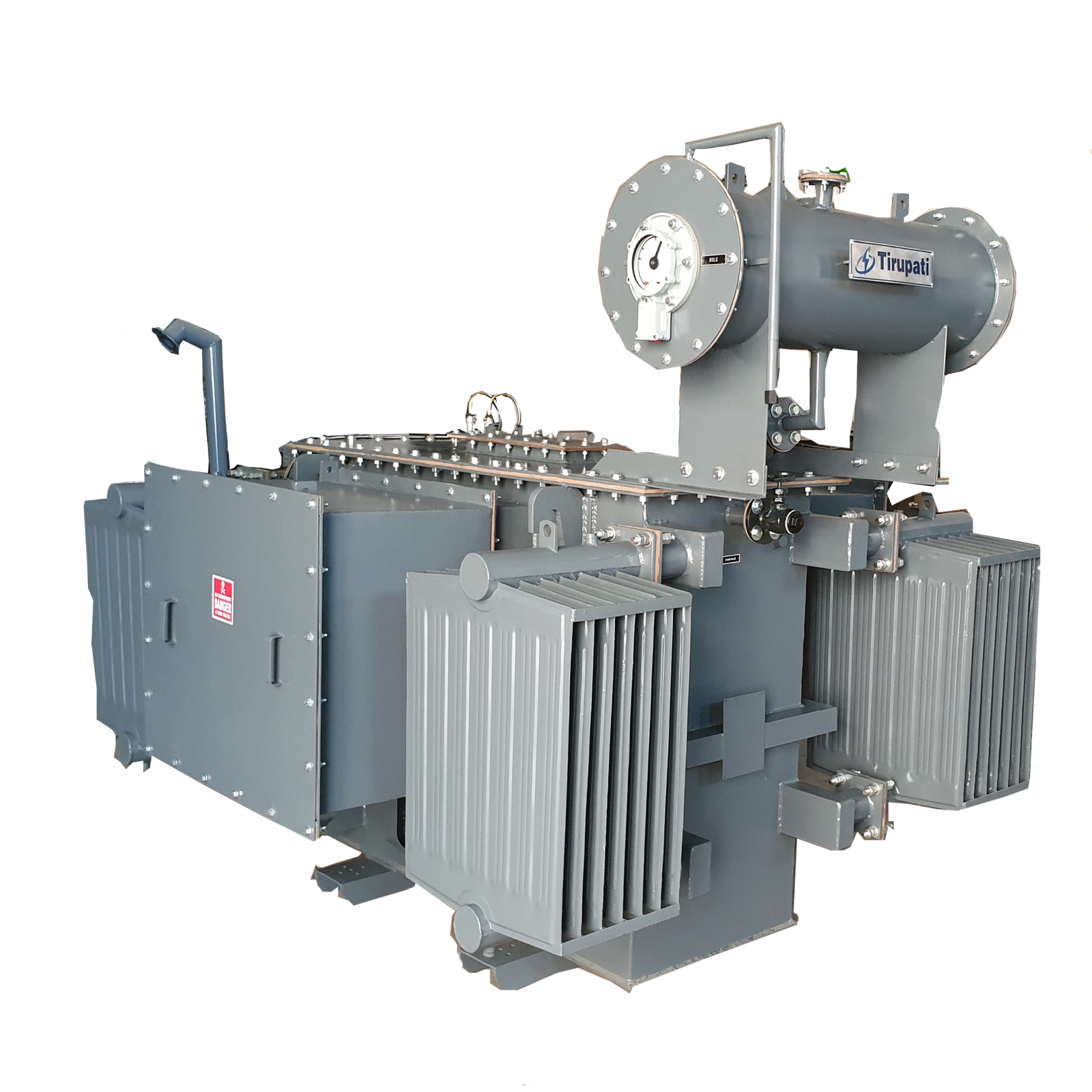
- Tirupati Transformers Pvt Ltd, Wikimedia Commons, CC BY-SA 4.0
Get the weekly research newsletter
Stay current with scholarly research without reading academic papers — one filtered digest, every Friday.