What the study found
The review found that medications commonly used in dental care can affect health beyond the mouth. These include pain medicines, antibiotics, and antiseptic mouth rinses, each with different potential effects on the body.
Why the authors say this matters
The authors conclude that general dental practitioners should consider systemic health when prescribing these medications. The study suggests this is important for safety and for antimicrobial and pharmacologic stewardship, meaning careful and responsible use of these drugs.
What the researchers tested
The paper was a review that summarized the systemic health effects of three medication classes frequently prescribed by general dental practitioners. It discussed their mechanisms, clinical implications, and stewardship opportunities.
What worked and what didn't
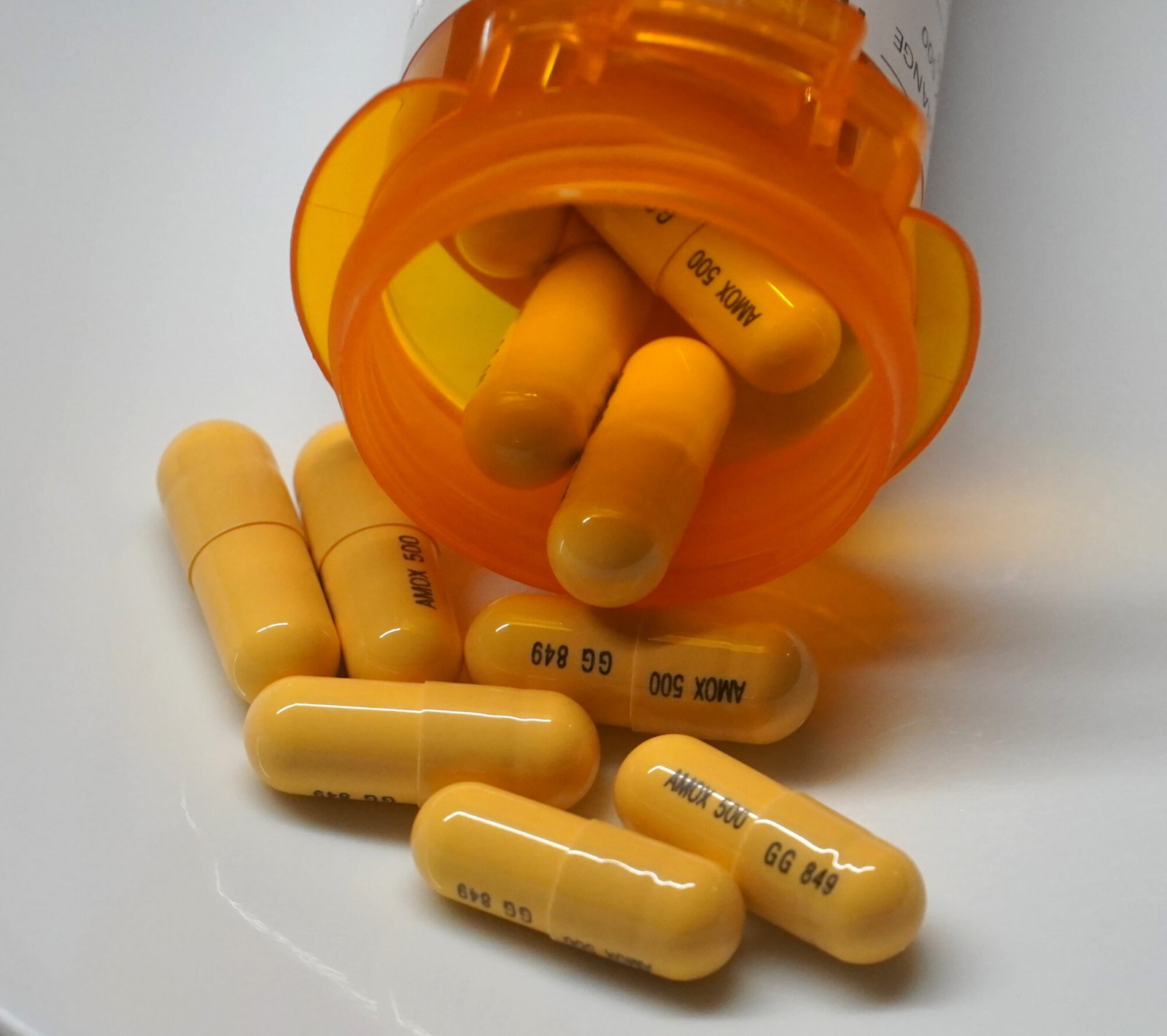
Nonsteroidal anti-inflammatory drugs, or NSAIDs, are described as first-line treatment for dental pain, but even brief use can affect renal function, blood pressure, and gastrointestinal integrity in susceptible patients. Acetaminophen may help with mild to moderate dental pain, but cumulative dosing may raise the risk of hepatotoxicity, and opioids offer no advantage over non-opioid analgesics while contributing to opioid misuse. Antibiotics may be prescribed when not clinically indicated, which can increase antimicrobial resistance, gut microbiome dysbiosis, and Clostridioides difficile infection; chlorhexidine mouth rinses can reduce oral microbial load but may disrupt nitrate-reducing oral bacteria and alter nitric oxide-mediated vascular function.
What to keep in mind
This summary is limited to what is stated in the abstract, which is a narrative review rather than a primary clinical study. The abstract does not describe specific search methods, study selection criteria, or the strength of evidence behind each point.
Key points
- The review says dental medications can affect cardiovascular, renal, hepatic, metabolic, and microbiome-related health beyond the oral cavity.
- NSAIDs may affect renal function, blood pressure, and gastrointestinal integrity in susceptible patients, even with short use.
- Opioids are described as offering no advantage over non-opioid analgesics after some dental procedures and as contributing to misuse.
- Antibiotics prescribed without clear indication may increase antimicrobial resistance, microbiome dysbiosis, and Clostridioides difficile infection.
- Chlorhexidine mouth rinses can reduce oral microbial load but may also alter nitrate-reducing bacteria and nitric oxide-related vascular function.
Disclosure
- Research title:
- Dental prescribing can affect health beyond the mouth
- Authors:
- Shanshan Li, Xinyan Huang, Rotem McNeil, Hans Malmström, Yanfang Ren
- Publication date:
- 2026-02-27
- DOI:
- W4417498311
- OpenAlex record:
- View
- Image credit:
- Henrysz, Wikimedia Commons, CC BY 4.0
Get the weekly research newsletter
Stay current with scholarly research without reading academic papers — one filtered digest, every Friday.