What the study found
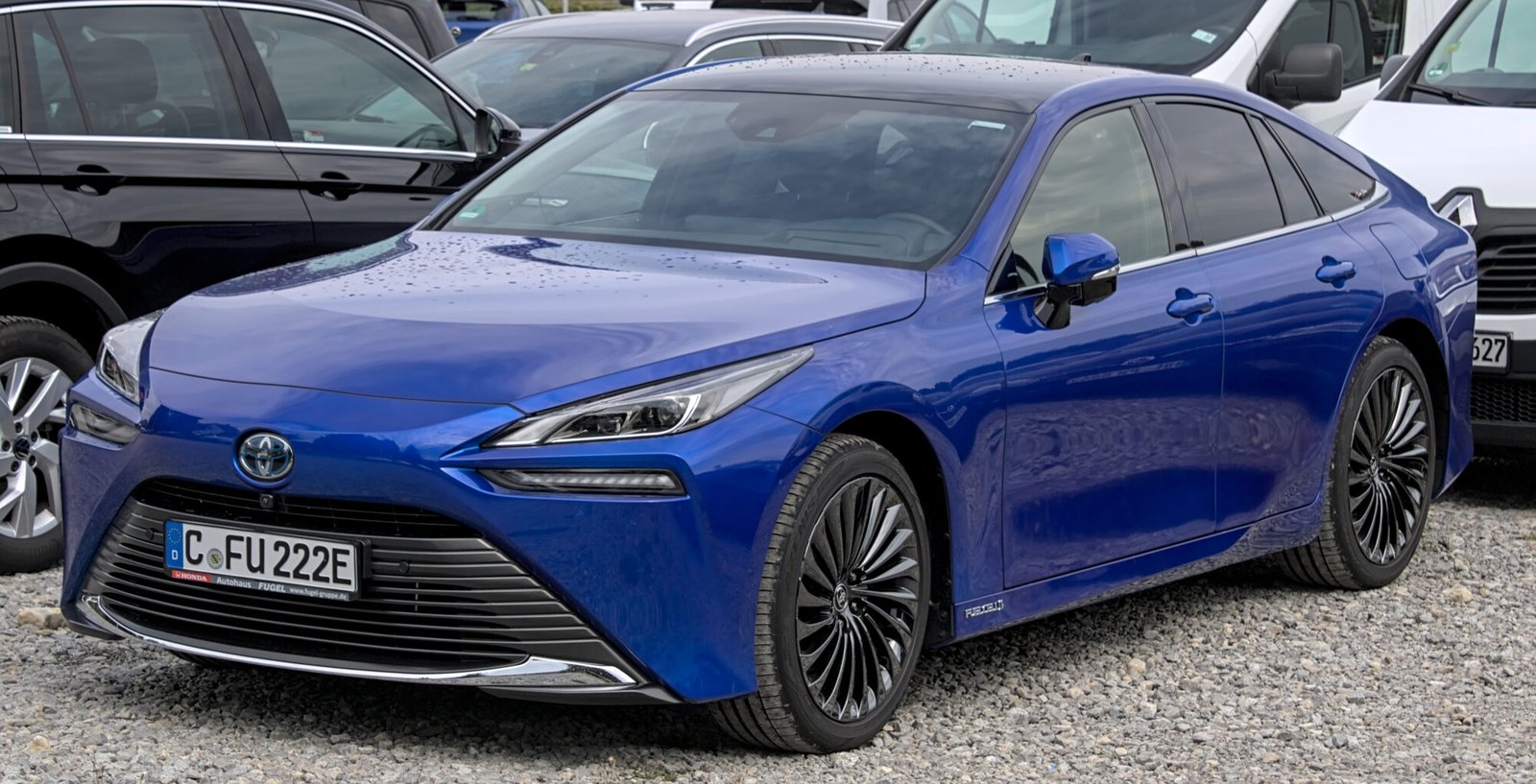
The study found that fuel cell electric vehicle subsidies in South Korea mainly shift demand from other zero-emission vehicles, especially electric vehicles, rather than from internal combustion engine vehicles. It also found that a modest fuel cell electric vehicle sales target would require substantial extra subsidies and produce only a negligible net increase in total zero-emission vehicles.
Why the authors say this matters
The authors conclude that standalone fuel cell electric vehicle subsidies have limited effectiveness as a decarbonization tool in a market that is strongly segmented, meaning consumers mainly separate vehicle choices into distinct groups. They suggest that policies reflecting observed consumer behavior may be more effective for broader transportation decarbonization goals.
What the researchers tested
The researchers analyzed consumer choice behavior and market structure in the South Korean passenger car market. They used a nested logit model, a statistical method for studying how people choose among related options, and ran policy simulations of subsidy effects.
What worked and what didn't
The cross-price elasticity between fuel cell electric vehicles and internal combustion engine vehicles was near zero, indicating little substitution between those two groups. In contrast, fuel cell electric vehicle subsidies primarily induced substitution from other zero-emission vehicles, particularly electric vehicles. Policy simulations suggested that reaching a modest fuel cell electric vehicle sales target would require substantial additional subsidies while yielding only a negligible net increase in total zero-emission vehicles relative to the fiscal cost.
What to keep in mind
The abstract does not provide detailed limitations beyond the focus on South Korea’s passenger car market. The findings are specific to the subsidy-centered policy context and the market structure described in the study.
Key points
- Fuel cell electric vehicle subsidies mostly shifted buyers from electric vehicles rather than from internal combustion engine vehicles.
- The cross-price elasticity between fuel cell electric vehicles and internal combustion engine vehicles was near zero.
- Policy simulations found that modest fuel cell electric vehicle sales targets would need substantial extra subsidies.
- Those subsidies were estimated to produce a negligible net increase in total zero-emission vehicles relative to fiscal cost.
- The authors describe the market as strongly segmented and say standalone subsidies have limited decarbonization effectiveness.
Disclosure
- Research title:
- FCEV subsidies mainly shift buyers from EVs, not ICEVs
- Authors:
- Taejun Mo, Brian H. S. Kim
- Institutions:
- Seoul National University, University of Illinois Urbana-Champaign, Urbana University
- Publication date:
- 2026-03-07
- OpenAlex record:
- View
- Image credit:
- Alexander Migl, Wikimedia Commons, CC BY-SA 4.0
Get the weekly research newsletter
Stay current with scholarly research without reading academic papers — one filtered digest, every Friday.