What the study found
The study found a projected increase in flood susceptibility in the Kabul River Basin from 2020 to 2100. The share of areas classified as "Very Highly" susceptible rose overall, while the share classified as "Very Low" susceptible declined.
Why the authors say this matters
The authors conclude that dynamic environmental and demographic changes should be integrated into flood management strategies in the Kabul River Basin. They also say the study offers a transferable outline for flood assessment in climate-sensitive mountainous regions and provides actionable insights for land use planning and climate adaptation policy.
What the researchers tested
The researchers assessed projected flood susceptibility in the transboundary and ecologically sensitive Kabul River Basin under different future scenarios from 2020 to 2100. They used an eXtreme Gradient Boosting (XGBoost) machine learning model with three dynamic and nine static predictors, along with bootstrap uncertainty analysis.
What worked and what didn't
The XGBoost model showed strong predictive accuracy, with AUC values of 0.961 to 0.962, and high cross-temporal consistency across future scenarios, with correlations of 0.75 to 0.85. Bootstrap uncertainty analysis also supported the model's robustness, with mean AUCs of 0.9817 to 0.9834, very low standard errors, and narrow confidence intervals. The abstract identifies population growth as a key driver of future flood risk.
What to keep in mind
The summary does not describe specific limitations beyond noting limited prior understanding of how these factors interact in the region. The findings are projections for the Kabul River Basin and are based on the model and predictors used in this study.
Key points
- Flood susceptibility in the Kabul River Basin is projected to increase from 2020 to 2100.
- Areas labeled "Very Low" susceptibility are projected to decline from 66.17% in 2020 to 56.43% by 2100.
- Areas labeled "Very Highly" susceptible rise from 11.78% in 2020 to 13.51% by 2100.
- The XGBoost model showed strong accuracy, with AUC values of 0.961 to 0.962.
- Bootstrap uncertainty analysis reported mean AUCs of 0.9817 to 0.9834 and narrow confidence intervals.
- The abstract identifies population growth as a key driver of future flood risk.
Disclosure
- Research title:
- Flood susceptibility is projected to rise in the Kabul River Basin
- Authors:
- Zahid Ur Rahman, Meimei Zhang, Fang Chen, Safi Ullah, Lei Wang, Zahoor Ahmad, Muhammad Fahad Baqa
- Institutions:
- Aerospace Information Research Institute, Aerospace Information Research Institute, Aerospace Information Research Institute, Aerospace Information Research Institute, Aerospace Information Research Institute, Aerospace Information Research Institute, Beijing Institute of Big Data Research, Beijing Institute of Big Data Research, Beijing Institute of Big Data Research, Beijing Institute of Big Data Research, Beijing Institute of Big Data Research, Beijing Institute of Big Data Research, Chinese Academy of Sciences, Chinese Academy of Sciences, Chinese Academy of Sciences, Chinese Academy of Sciences, Chinese Academy of Sciences, Chinese Academy of Sciences, Hamad bin Khalifa University, International Research Center of Big Data for Sustainable Development Goals, International Research Center of Big Data for Sustainable Development Goals, International Research Center of Big Data for Sustainable Development Goals, International Research Center of Big Data for Sustainable Development Goals, International Research Center of Big Data for Sustainable Development Goals, International Research Center of Big Data for Sustainable Development Goals, University of Chinese Academy of Sciences, University of Chinese Academy of Sciences, University of Chinese Academy of Sciences, University of Chinese Academy of Sciences, University of Chinese Academy of Sciences, University of Chinese Academy of Sciences
- Publication date:
- 2026-02-23
- OpenAlex record:
- View
- Image credit:
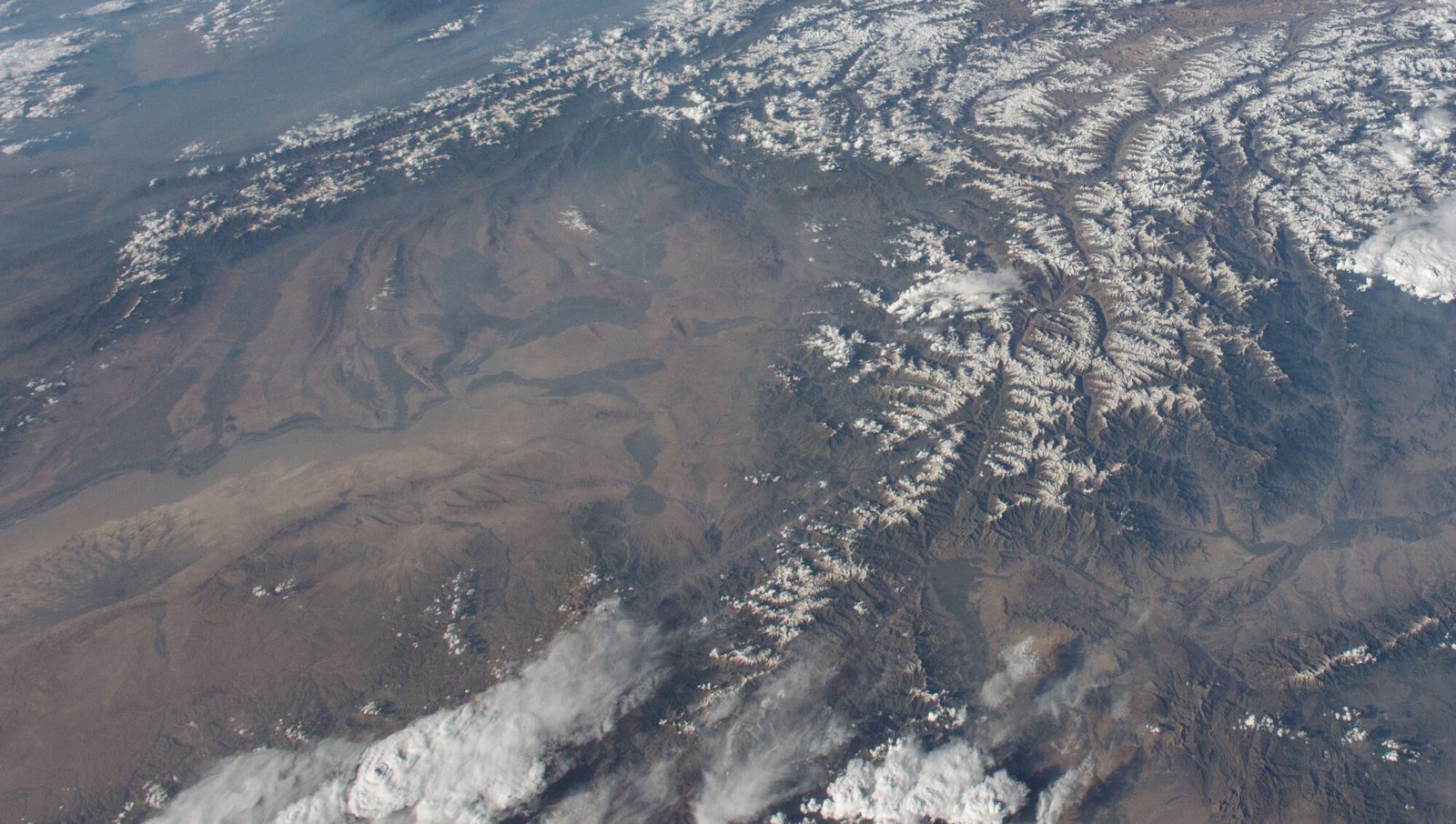
- Earth Science and Remote Sensing Unit, Lyndon B. Johnson Space Center, Wikimedia Commons, Public domain
Get the weekly research newsletter
Stay current with scholarly research without reading academic papers — one filtered digest, every Friday.