What the study found
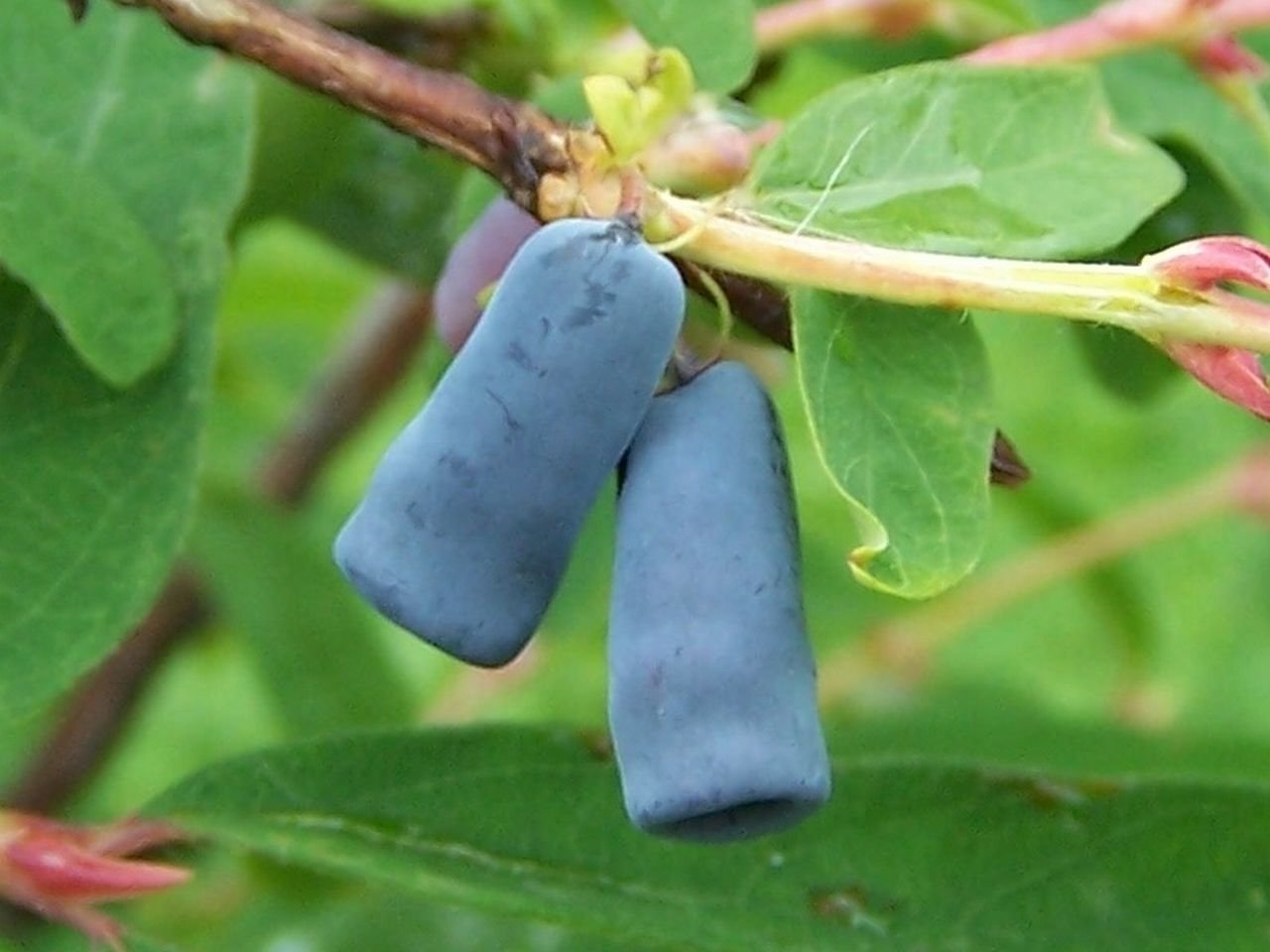
The study found that a hybrid variable selection strategy combined with mid-infrared spectroscopy could be used to predict polyphenol content in Lonicera caerulea, also called blue honeysuckle. The optimized XGBoost model performed best on the independent test set.
Why the authors say this matters
The authors say rapid and accurate determination of polyphenol content is important for functional food quality control. The study suggests the method could provide a reliable tool for rapid and non-destructive quantitative analysis of polyphenols in Lonicera caerulea.
What the researchers tested
The researchers collected 191 Lonicera caerulea samples from Northeast China and measured 7,468-dimensional mid-infrared spectral data with a Fourier transform infrared spectrometer. Polyphenol reference values were obtained by the Folin–Ciocalteu method, and the samples were split into calibration and prediction sets using the SPXY algorithm. They compared 10 preprocessing methods, selected variables with a hybrid approach, and tested four models: PLS, RFR, SVR, and XGBoost.
What worked and what didn't
Among the preprocessing methods, MSC combined with Savitzky–Golay first derivative gave the best performance and was used for later modeling. The hybrid variable selection method VIP1.0∩RFR30% selected 984 key wavelengths and reduced dimensionality by 86.8%. The optimized XGBoost model achieved R2 = 0.92, RMSE = 0.098, and RPD = 3.47 on the independent test set, and it outperformed the classical CARS method, which had R2 = 0.78 and RPD = 2.14.
What to keep in mind
The available summary does not describe limitations beyond noting that the method was designed for high-dimensional, small-sample scenarios. The findings are based on samples from Northeast China and on one specific plant species and measurement setup.
Key points
- A hybrid variable selection strategy was developed for mid-infrared prediction of polyphenol content.
- The study used 191 blue honeysuckle samples and 7,468 spectral variables.
- MSC plus Savitzky–Golay first derivative was the best preprocessing combination among 10 methods tested.
- The optimized XGBoost model had the best test-set performance, with R2 = 0.92 and RPD = 3.47.
- The hybrid method outperformed the classical CARS method in the reported comparison.
Disclosure
- Research title:
- Hybrid spectroscopy model estimated polyphenol content in blue honeysuckle
- Authors:
- WU Hai-wei, Xuexin Li, Jianwei Liu, Zhihao Wang, Yuchun Liu
- Institutions:
- Jilin Agricultural University, Jilin Agricultural University, Jilin Agricultural University, Jilin Agricultural University, Jilin Agricultural University
- Publication date:
- 2026-02-23
- DOI:
- W7131090124
- OpenAlex record:
- View
- Image credit:
- Opioła Jerzy (Poland), Wikimedia Commons, CC BY 2.5
Get the weekly research newsletter
Stay current with scholarly research without reading academic papers — one filtered digest, every Friday.