

What the study found
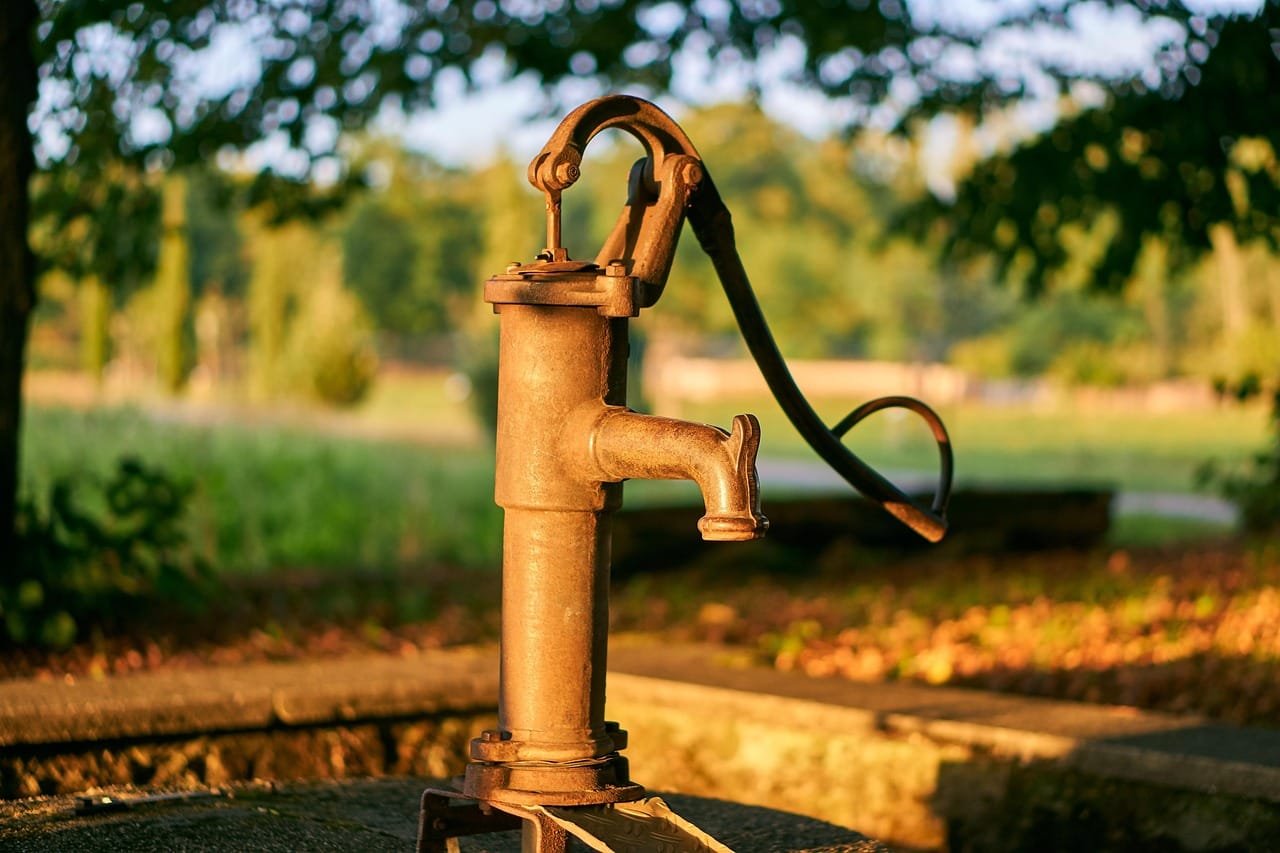
Integrating preventive maintenance into NGO water programs can reduce downtime for rural hand pumps, which are communal pumps used for drinking water. The authors report an average downtime reduction of 41.4%, with results ranging from 7.1% to 61.9%.
Why the authors say this matters
The study suggests that preventive maintenance is not necessarily prohibitively expensive, and the authors conclude that NGOs should integrate it into their programs. The findings indicate that resource-constrained NGOs may do better by focusing on water point reliability, repair capacity, and lower major repair costs than on extensive data collection.
What the researchers tested
The researchers worked with local NGOs in Ethiopia and Malawi and collected 47,240 observations of water point functionality from NGOs in Malawi, the Central African Republic, and Ethiopia. They developed a Markov decision process model, a mathematical decision model for choosing actions over time, based on real-world practices to optimize maintenance schedules for NGO mechanics, and then applied it to field data from the three countries.
What worked and what didn't
The model showed that preventive maintenance reduced water point downtime on average and often did so with little to no increase in logistics cost. The authors also report that, when functionality information was highly available, a reactive maintenance visitation approach was more effective only when repair demand was low.
What to keep in mind
The abstract does not describe detailed study limitations beyond the scope of the field data and modeling. The results are based on field research and data from Ethiopia, Malawi, and the Central African Republic, so the findings are described within that setting.
Key points
- Preventive maintenance was associated with an average 41.4% reduction in water point downtime.
- The reported downtime reduction ranged from 7.1% to 61.9%.
- The authors say the approach often required little to no increase in logistics cost.
- The study used 47,240 observations of water point functionality from three countries.
- With high functionality information, reactive maintenance was more effective only when repair demand was low.
Disclosure
- Research title:
- Preventive maintenance reduces rural water point downtime
- Authors:
- Chengcheng Zhai, Rodney P. Parker, Kurt Michael Bretthauer, Jorge Mejia, Alfonso J Pedraza-Martinez
- Institutions:
- Indiana University Bloomington, Indiana University Bloomington, Indiana University Bloomington, University of Notre Dame, University of Notre Dame
- Publication date:
- 2026-03-09
- OpenAlex record:
- View
Get the weekly research newsletter
Stay current with peer-reviewed research without reading academic papers — one filtered digest, every Friday.