What the study found
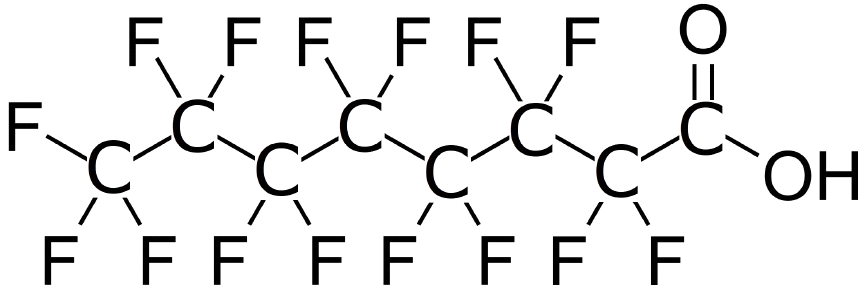
The study identified 69 candidate genes linked to both predicted perfluorooctanoic acid (PFOA) targets and bladder cancer biology, with many tied to cell cycle control and DNA damage-related processes. It also reported that a nine-gene classifier distinguished bladder cancer samples well across multiple cohorts.
Why the authors say this matters
The authors conclude that their work provides a computational bridge between environmental chemical exposure and cancer-related molecular programs. They suggest the nine-gene classifier offers a systems-level, hypothesis-generating view of transcriptional programs that overlap between predicted PFOA-associated targets and bladder cancer biology.
What the researchers tested
The researchers used an integrative multi-cohort computational framework. They assembled 9,591 putative molecular targets associated with PFOA from five databases, analyzed bladder cancer gene expression across five cohorts, and then applied differential expression analysis, weighted gene co-expression network analysis, functional enrichment, machine learning with SHAP interpretation, and molecular docking.
What worked and what didn't
The nine-gene classifier showed excellent performance in the training set, with an area under the curve (AUC) of 0.986, and it stayed strong in external cohorts with AUCs from 0.944 to 1.000. SHAP analysis identified MCM7 as the most influential feature for bladder cancer classification, and docking suggested a strong predicted interaction between PFOA and IGFBP2 with a binding energy of -13.0 kcal/mol.
What to keep in mind
The study was computational and based on existing databases and transcriptomic cohorts, so it does not report direct experimental testing of PFOA exposure in this abstract. Limitations are not otherwise described in the available summary.
Key points
- The study found 69 candidate genes shared between predicted PFOA targets and bladder cancer biology.
- Many of the candidate genes were associated with cell cycle control and DNA damage-related processes.
- A nine-gene classifier achieved an AUC of 0.986 in training and 0.944-1.000 in external cohorts.
- MCM7 was identified as the most influential contributor in the SHAP analysis.
- Docking suggested a strong predicted interaction between PFOA and IGFBP2.
Disclosure
- Research title:
- PFOA-linked bladder cancer genes formed a strong classifier
- Authors:
- Yang Liu, Aifa Tang, Han Wang
- Institutions:
- Shenzhen Bao'an District People's Hospital, Shenzhen Luohu People's Hospital, Shenzhen Second People's Hospital
- Publication date:
- 2026-02-24
- OpenAlex record:
- View
- Image credit:
- Receperdogdu, Wikimedia Commons, CC0
Get the weekly research newsletter
Stay current with scholarly research without reading academic papers — one filtered digest, every Friday.