What the study found
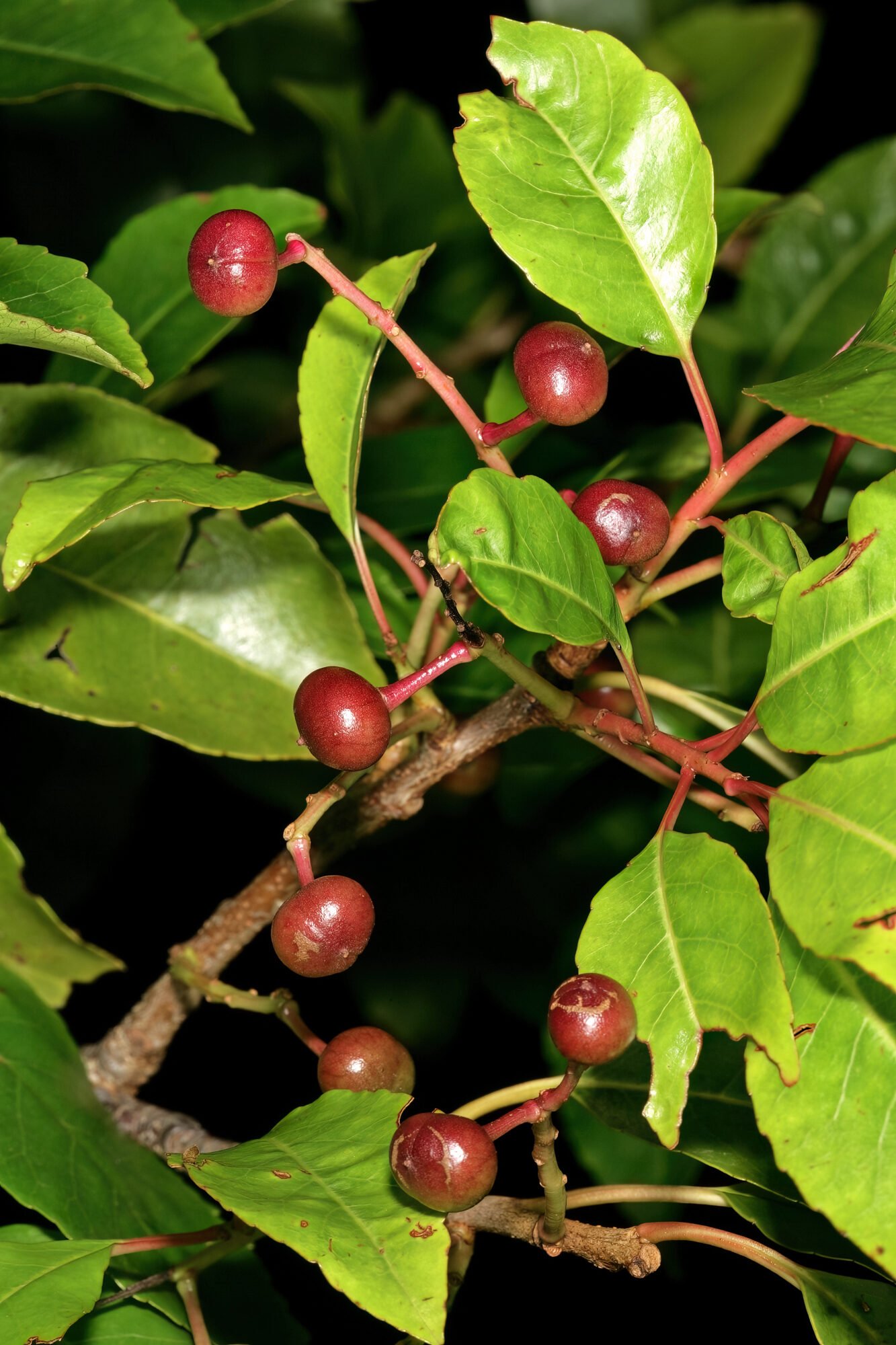
The study found that methanolic bark extract from Prunus africana was the most active of the extracts tested against C4-2 prostate cancer cells, a hormonally insensitive subline of LNCaP. The authors report that the extract caused cell death mainly through apoptosis, a programmed form of cell death.
Why the authors say this matters
The authors conclude that Prunus africana bark methanolic extract is a promising candidate for treating hormonally insensitive prostate cancer. They present this as relevant because the extract showed selective toxicity toward cancer cells compared with primary prostate epithelial cells.
What the researchers tested
The researchers extracted bark, leaf, and root samples of Prunus africana using absolute methanol or ethanol. They measured total phenolic content, total flavonoid content, and antioxidant activity, then tested cytotoxicity with an MTS cell viability assay on C4-2 cells and primary prostate epithelial cells over 6, 12, and 24 hours. Additional cellular assays were used to assess whether cell death occurred through apoptosis or necrosis.
What worked and what didn't
The bark methanolic extract had the highest total phenolic content, reported as 1397.33 mg GAE/g, and the lowest EC50 value, 0.10 mg/mL, which the abstract says was comparable to ascorbic acid at 0.18 mg/mL. It showed concentration-dependent cytotoxicity between 0.000025 and 0.25 mg/mL, with selective toxicity at 0.025 mg/mL toward C4-2 cells. The abstract does not report similar performance for the leaf or root extracts, beyond stating that the bark methanolic extract was the most active.
What to keep in mind
This was an in vitro study, so the findings come from cell-based testing rather than studies in people. The abstract does not describe in vivo results, long-term safety, or clinical effectiveness.
Key points
- Prunus africana bark methanolic extract was the most active extract tested against C4-2 prostate cancer cells.
- The bark methanolic extract had the highest total phenolic content, reported as 1397.33 mg GAE/g.
- It showed the lowest EC50 value, 0.10 mg/mL, comparable to ascorbic acid at 0.18 mg/mL.
- The extract showed concentration-dependent cytotoxicity and selective toxicity at 0.025 mg/mL toward C4-2 cells.
- Cellular and molecular assays indicated apoptosis as the main mechanism of cell death.
Disclosure
- Research title:
- Prunus africana bark extract showed cytotoxicity against prostate cancer cells
- Authors:
- Peace C. Asuzu, Victoria Croston, Yahira Rivera, Alberta N. A. Aryee, Samuel A. Besong, Karl E. Miletti-González
- Institutions:
- Delaware State University, Delaware State University, Delaware State University, Delaware State University, Delaware State University, Delaware State University
- Publication date:
- 2026-02-23
- OpenAlex record:
- View
- Image credit:
- SAplants, Wikimedia Commons, CC BY-SA 4.0
Get the weekly research newsletter
Stay current with scholarly research without reading academic papers — one filtered digest, every Friday.