What the study found
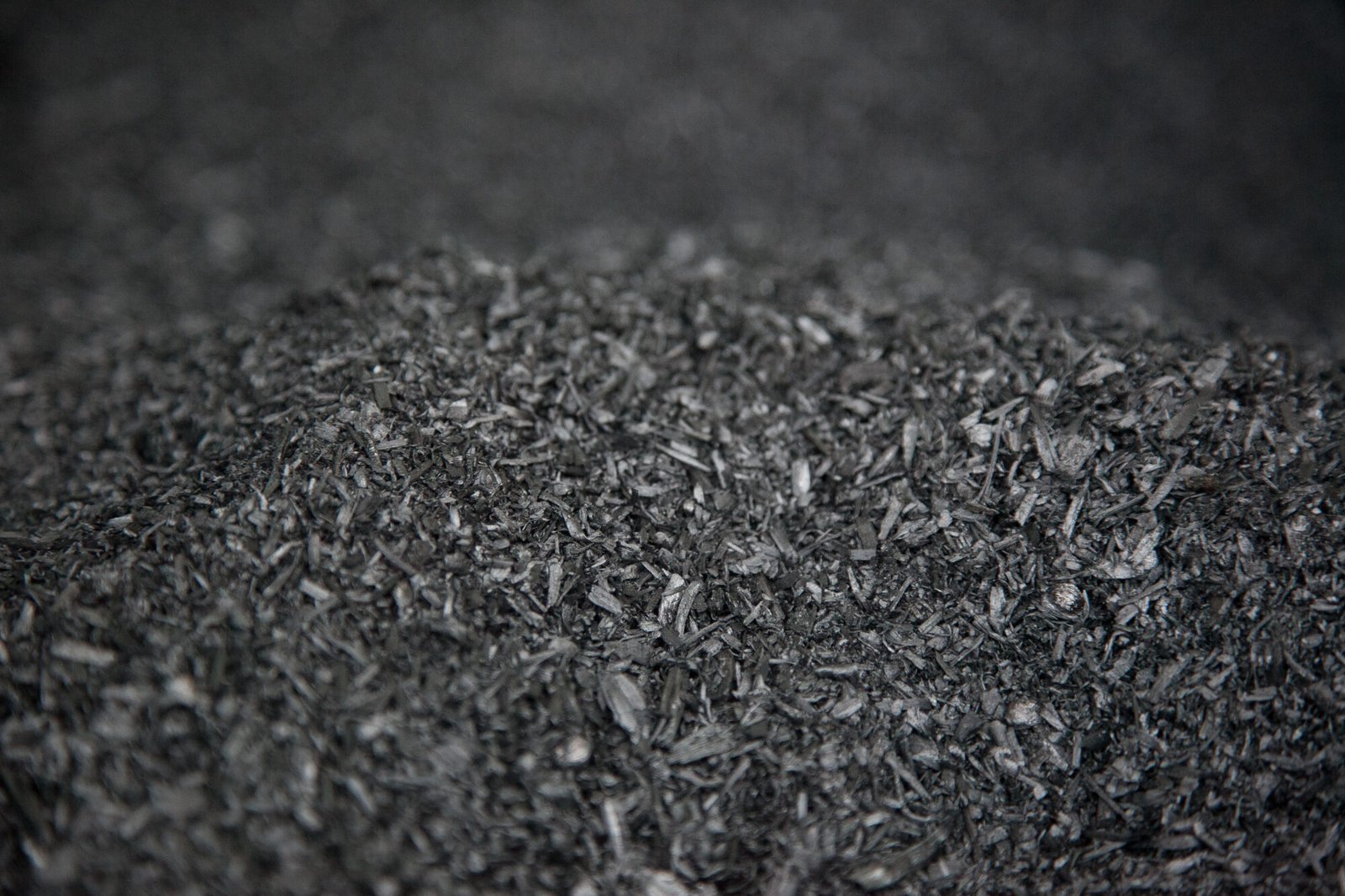
Biochar made from spent coffee grounds removed phenolic compounds from sugarcane bagasse hydrolysates, and its performance depended on how it was produced. The best-performing samples reached an average removal efficiency of 49.5% in the 3.0-fold concentrated hydrolysate.
Why the authors say this matters
The authors present spent coffee grounds as an abundant, sustainable, low-cost residue and suggest the resulting biochar may be useful for removing fermentation inhibitors from lignocellulosic hydrolysates. They conclude that this approach offers a promising strategy for hydrolysate detoxification and waste valorization.
What the researchers tested
The researchers produced six biochar samples, labeled E1 to E6, from spent coffee grounds by pyrolysis under nitrogen, followed by a final thermal treatment in air at 300 °C. They varied pyrolysis temperature and pyrolizer inclination, then characterized the biochars with nitrogen adsorption/desorption measurements, thermogravimetric analysis, and Fourier-transform infrared spectroscopy. They tested adsorption using hydrolysates at five concentration levels, from 1.0- to 3.0-fold, and at different contact times.
What worked and what didn't
Pyrolysis temperature and pyrolizer inclination significantly influenced adsorption performance. Biochars E5 and E6, made under the central point condition of 500 °C and 4.4°, showed the highest phenolic compound removal, and post-pyrolysis calcination improved capacity and early-time adsorption in non-concentrated hydrolysate. The Temkin isotherm fit the equilibrium data best, while pseudo-first-order and Elovich models showed strong correlations, especially at higher hydrolysate concentrations.
What to keep in mind
The abstract does not describe limitations beyond the tested conditions. The reported results are specific to the biochars, hydrolysates, and concentration levels studied here.
Key points
- Biochar from spent coffee grounds removed phenolic compounds from sugarcane bagasse hydrolysates.
- The best samples, E5 and E6, were produced at 500 °C and 4.4° inclination.
- Maximum average removal efficiency reached 49.5% in 3.0-fold concentrated hydrolysate.
- Post-pyrolysis calcination improved capacity and early-time adsorption in non-concentrated hydrolysate.
- Temkin was the best equilibrium model; pseudo-first-order and Elovich fit the kinetics well.
Disclosure
- Research title:
- Spent coffee ground biochar removed phenolic compounds from hydrolysates
- Authors:
- Leticia Vicente Moreno, Mariana de Oliveira Bérgamo, Sophie Anna Grünwald, Syed Sikandar Shah, Ernesto A. Urquieta‐González, Kelly J. Dussán
- Institutions:
- Universidade Estadual Paulista (Unesp), Universidade Estadual Paulista (Unesp), Universidade Estadual Paulista (Unesp), Universidade Federal de São Carlos, Universidade Federal de São Carlos, University of Potsdam
- Publication date:
- 2026-06-30
- OpenAlex record:
- View
- Image credit:
- Oregon Department of Forestry, Wikimedia Commons, CC BY 2.0
Get the weekly research newsletter
Stay current with scholarly research without reading academic papers — one filtered digest, every Friday.