Tag: Archaeology

  • Digital tools support preservation of Yi wedding customs

    What the study found

    The study found that digital technologies can support the preservation of Yi wedding customs. It also reports that these tools can improve the accuracy, interactivity, and educational value of cultural documentation.

    Why the authors say this matters

    The authors suggest this matters for the sustainable preservation of intangible cultural heritage, which means living traditions and cultural practices. They also state that the findings align with the United Nations Sustainable Development Goals and offer theoretical insights and practical guidance.

    What the researchers tested

    The researchers used fieldwork in Meigu and Zhaojue counties to document the Kezhi debate and wedding rituals. They evaluated 3D motion capture, virtual reality (VR), and digital archives as tools for cultural documentation, and they proposed a Technology–Institution–Agency model.

    What worked and what didn't

    The study says digital technologies can support preservation of Yi wedding customs, strengthen cultural identity among Yi youth, improve cultural education outcomes, and attract external visitors. It also notes risks of cultural simplification and misrepresentation.
    What to keep in mind

    The summary does not provide detailed measures, sample sizes, or comparative performance data for the digital tools. The abstract also notes risks of simplification and misrepresentation, but it does not describe how strongly these risks affected the project.

    • The study focuses on the digital transformation of intangible cultural heritage using Yi wedding customs in China as a case study.
    • 3D motion capture, virtual reality, and digital archives were assessed for their value in cultural documentation.
    • The authors propose a Technology–Institution–Agency model linking digital innovation, governance, and cultural bearer participation.
    • The findings indicate digital technologies can help preserve Yi wedding customs and improve cultural education outcomes.
    • The abstract notes risks of cultural simplification and misrepresentation.
  • Quarrying along River Mutonga expanded and affected land, water, and livelihoods

    What the study found

    The study found that stone quarrying along River Mutonga was concentrated near the river and was linked to major changes in land use, environmental conditions, and local livelihoods. Quarrying was described as having both positive effects, such as household income, and negative effects, including land degradation, vegetation loss, water pollution, and safety hazards.

    Why the authors say this matters

    The authors conclude that the findings point to the need for sustainable quarry management. They specifically mention post-extraction rehabilitation, environmental monitoring, and enforcement of land use regulations.

    What the researchers tested

    The researchers examined the spatial distribution, spatiotemporal dynamics, and ecological and socio-economic impacts of stone quarrying in Imenti South, Meru County, Kenya. They used GPS coordinates, high-resolution satellite imagery, Sentinel-2 images from 2015, 2020, and 2025, a Random Forest classifier in Google Earth Engine, and household surveys.

    What worked and what didn't

    The mapping identified 20 quarry sites in total: 11 active and 9 abandoned, with site sizes ranging from about 0.15 ha to 1.20 ha. Land use and land cover analysis showed quarry areas increased by 0.18 km² (61.8%), built-up areas by 0.17 km² (100%), and bare land by 2.23 km² (56.03) between 2015 and 2025. Residents reported income and community development benefits, but also environmental degradation and safety concerns, including accidents and hazards from water-filled abandoned quarries.

    What to keep in mind

    The abstract does not describe detailed statistical uncertainty, sampling limits, or validation results for the image classification. The summary is limited to one river corridor in Meru County, Kenya, so the findings are specific to that study area.

    • Twenty quarry sites were mapped along River Mutonga, including 11 active and 9 abandoned sites.
    • Quarry areas increased by 0.18 km² between 2015 and 2025.
    • Residents reported both income benefits and negative environmental impacts from quarrying.
    • Reported harms included land degradation, vegetation loss, water pollution, and safety risks.
    • The authors call for rehabilitation, environmental monitoring, and land use regulation.
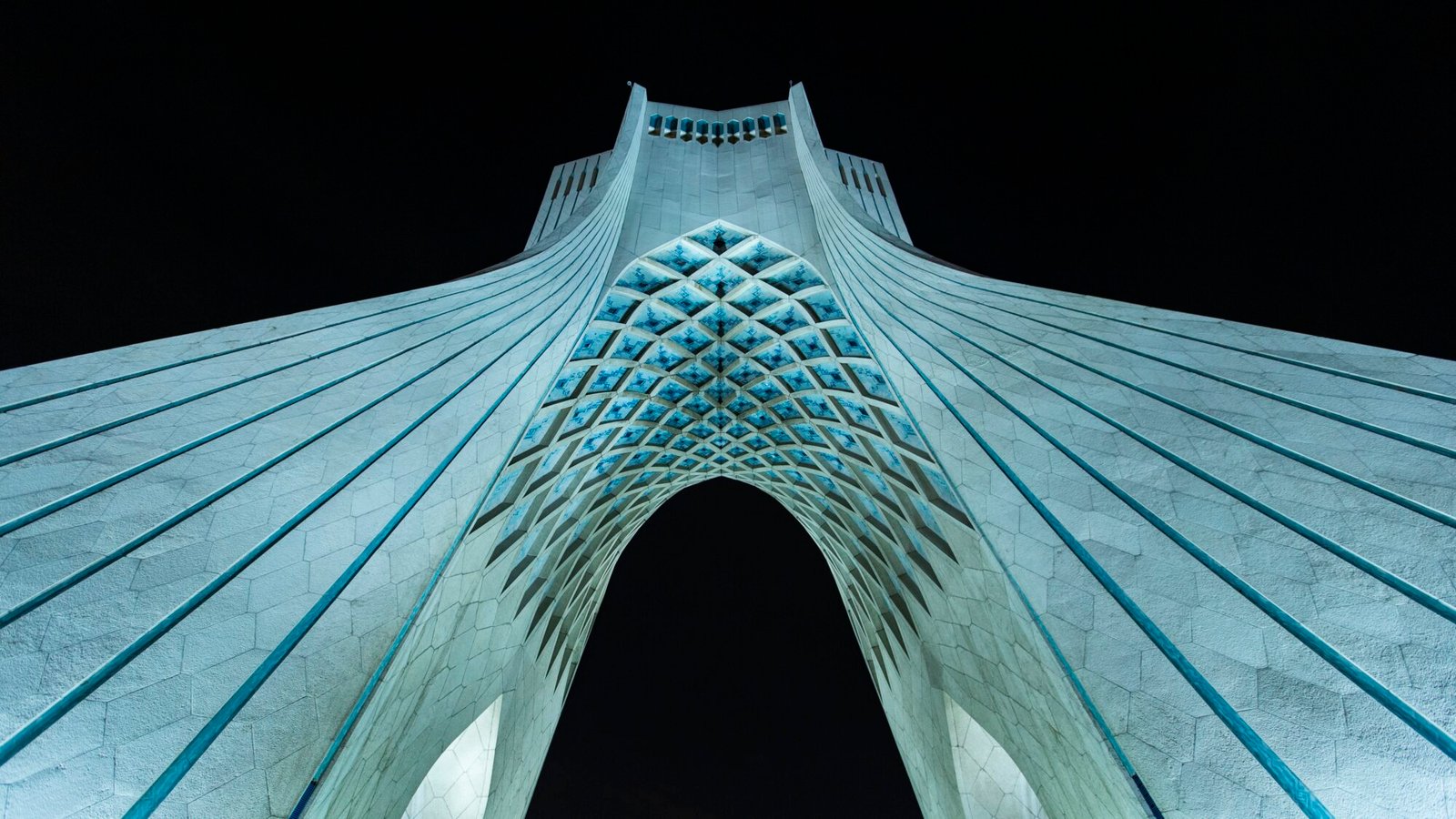
  • American architects found major opportunities in 1970s Iran

    American architects found major opportunities in 1970s Iran

    What the study found

    The article finds that Iran became an important destination for American architects during the 1970s, especially because of large-scale urban development projects in Tehran and other major cities. It also finds that many of these efforts involved mega-projects, but that several were never built.

    Why the authors say this matters

    The authors suggest that the scale and financial size of these contracts show the opportunities available to American architects in the mid-1970s. They also conclude that the case reflects how economic and political conditions shaped architectural work in Iran.

    What the researchers tested

    The article examines the presence and activities of American architects in Iran during the 1970s. It does this primarily through a review of American architectural magazines.

    What worked and what didn't

    American architects won work on major projects such as new towns in Tehran and large residential complexes for affluent groups. The article reports that they also faced planning and negotiation difficulties with clients, mainly the Shah and his aides and foundations, along with conflicting demands and local realities. It further states that the 1973 oil boom, the Shah’s Westernization policies, and the U.S. economic downturn in 1974–75 influenced their involvement, and that the projects later stopped, with most never built.

    What to keep in mind

    The summary available here is based mainly on American architectural magazines, so it reflects that source base. The abstract does not provide detailed limits on scope beyond the 1970s focus and the projects discussed.

    • Iran in the 1970s attracted many American architects because of rapid urban expansion and modernization projects.
    • Many of the projects were large-scale mega-projects, including new towns and residential complexes for affluent groups.
    • The architects encountered planning and negotiation problems with the Shah, his aides, and foundations.
    • Economic and political factors cited in the abstract included the 1973 oil boom, Westernization policies, and the U.S. downturn in 1974–75.
    • The article says these projects eventually stopped, and most were never built.
  • Mosque design in Phoenix is shaped by local context

    What the study found

    The study found that mosque development in Greater Phoenix is shaped by a range of local contextual factors, not just design preferences. It highlights demographic, economic, social, and civic relationships as part of the process from conception to construction.

    Why the authors say this matters

    The authors say this matters because mosques are growing rapidly in U.S. cities, while architects, designers, and planners have limited resources for creating context-sensitive solutions. The study suggests this framework can help address practical community needs rather than focusing only on aesthetics.

    What the researchers tested

    The article used a case study of eight mosques in Greater Phoenix, also described as the Valley of the Sun. It examined mosque construction within a relational regional context and drew on an interdisciplinary framework to understand the urban development process.

    What worked and what didn't

    The findings indicate that interfaith solidarity, relationships with city officials, and architect advocacy played important roles in shaping mosque designs. The article also says that factors such as demographics, economics, and social conditions influenced development from conception to construction.

    What to keep in mind

    The abstract describes a case study of eight mosques in one U.S. region, so the scope is limited to that setting. It does not provide detailed limitations beyond noting that the article shifts attention away from prior work focused mainly on aesthetics.

    • Mosque development in Greater Phoenix is shaped by demographic, economic, social, and civic factors.
    • Interfaith solidarity, city officials, and architect advocacy are identified as important influences.
    • The study uses a case study of eight mosques in the Valley of the Sun.
    • The authors say the work shifts attention from mosque aesthetics to development processes and community needs.
    • The abstract frames the study as an interdisciplinary contextual framework for mosque construction in the U.S.
  • Grotto acoustics align with listeners’ auditory perception

    What the study found

    The study found that the grottoes' acoustic properties and people's auditory perceptions were structurally related. It also found that the main acoustic features of these grottoes fell within a moderate range of the wider distribution seen in religious architectural spaces.

    Why the authors say this matters

    The authors conclude that soundscape should be treated as an analytical dimension centered on auditory perception. They suggest this could extend typological research and help address the lack of an auditory perceptual dimension in traditional grotto classifications dominated by material form.

    What the researchers tested

    The researchers examined the acoustic and auditory perceptual characteristics of six representative grottoes in the Xiang Tang Shan Grottoes. They compared objective acoustic indicators with subjective auditory experience and considered changes in spatial scale and form.

    What worked and what didn't

    The results indicate that key acoustic parameters changed systematically with spatial scale and form. The abstract says objective acoustic indicators showed a stable structural correspondence with subjective auditory experience, but it does not report which specific measurements did or did not differ beyond that pattern.

    What to keep in mind

    The summary does not provide detailed limitations, so none can be stated beyond the available abstract. The findings are based on six representative grottoes in one site, the Xiang Tang Shan Grottoes, so the scope described in the abstract is limited to that setting.

    • Six representative grottoes in the Xiang Tang Shan Grottoes were analyzed.
    • Key acoustic parameters varied systematically with spatial scale and form.
    • Objective acoustic indicators corresponded stably with subjective auditory experience.
    • The main acoustic characteristics were within a moderate range of broader religious architectural sound spaces.
    • The authors propose soundscape as an analytical dimension centered on auditory perception.
  • Wolwekraal sites show repeated Later Stone Age visits

    What the study found

    The study found newly discovered open-air archaeological sites along the Dorps River in the arid Karoo of South Africa. These sites show multiple visits to a favoured habitat during the late Holocene Later Stone Age, dated to about 3000–2000 BP (years before present).

    Why the authors say this matters

    The abstract says these sites help demonstrate human use of a region with uneven archaeological coverage. The findings indicate repeated occupation of this landscape during a specific late prehistoric period.

    What the researchers tested

    The researchers examined the archaeological landscape of Wolwekraal Nature Reserve in South Africa. According to the abstract, they identified open-air sites along the Dorps River and used them to assess evidence for Later Stone Age activity in the late Holocene.

    What worked and what didn't

    The identification of new sites provided evidence for repeated visits to this habitat. The abstract does not describe any methods-specific failures or negative results.

    What to keep in mind

    The summary available here is brief and does not describe the full methods, site counts, or detailed dating evidence. It also does not provide limitations beyond noting that the region has uneven archaeological coverage.

    • New open-air archaeological sites were found along the Dorps River in South Africa's arid Karoo.
    • The sites indicate multiple visits during the late Holocene Later Stone Age.
    • The time range given in the abstract is about 3000–2000 BP.
    • The abstract describes the region as having uneven archaeological coverage.
    • No detailed limitations or negative results are described in the available summary.
  • Archaeology can contribute through multiple pathways to global challenges

    What the study found

    The author argues that there are multiple, contested pathways for applied archaeology to address global challenges. In the abstract, two routes are presented as complementary: transdisciplinary research and community-embedded research design.

    Why the authors say this matters

    The authors suggest that archaeology can help address the broad set of global challenges named in Agenda 2030 and similar charters. They also imply that including affected communities in research design, and working across disciplines, are both legitimate ways to make archaeology relevant to policy and change.

    What the researchers tested

    This is a response article, not a new empirical study. The author compares Davies and Lunn-Rockliffe's argument with Michael E. Smith's earlier debate article and discusses their proposed approaches to applied archaeology.

    What worked and what didn't

    The author supports both Davies and Lunn-Rockliffe's community-embedded approach and Smith's transdisciplinary approach. The abstract does not report experiments, measurements, or evidence that one approach worked better than the other.

    What to keep in mind

    The abstract is a short debate response, so it does not present original data or a detailed methods section. It also does not describe limits beyond noting that these pathways are multiple and contested.

    • The author says applied archaeology can address global challenges through more than one pathway.
    • Two approaches are highlighted: transdisciplinary research and community-embedded research design.
    • The article compares Davies and Lunn-Rockliffe's argument with Michael E. Smith's earlier debate piece.
    • The author supports both approaches as workable in their own contexts.
    • No original empirical results are reported in the abstract.