What the study found
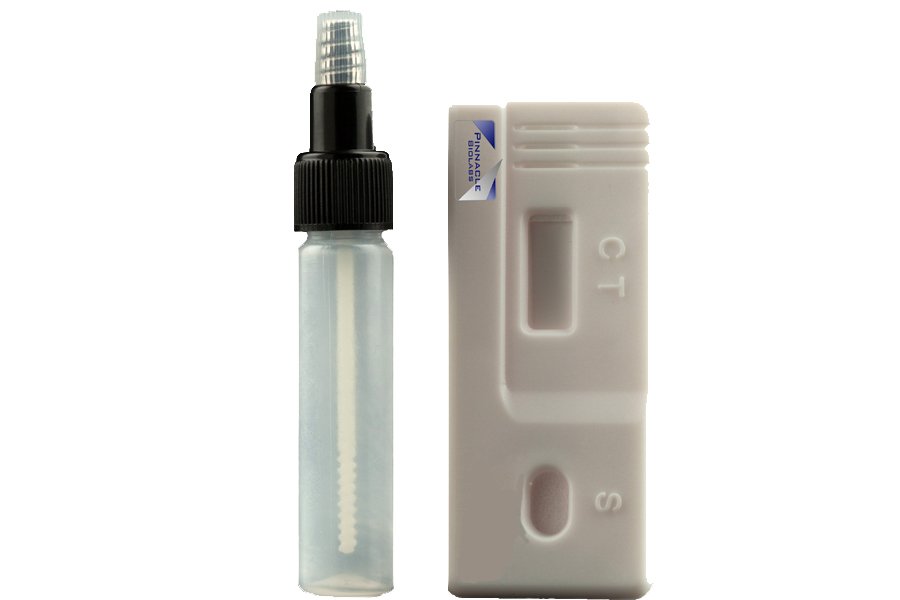
The study found that automated, behaviorally informed text message reminders were associated with higher fecal immunochemical test (FIT) completion than a nurse-led telephone call reminder. FIT is a stool-based screening test used for colorectal cancer screening.
Why the authors say this matters
The authors conclude that automated messaging may offer a scalable, low-cost strategy to promote preventive care and reduce staff burden in underserved populations. The study suggests this could be useful in safety-net settings where screening rates remain suboptimal.
What the researchers tested
This quality improvement randomized clinical trial was done at 8 Federally Qualified Health Centers in Brooklyn, New York. Adults with a new FIT order who spoke English, Spanish, or Chinese and had not opted out of text messaging were randomized to 3 automated one-way text reminders on days 2, 5, and 8 or to a single nurse-led telephone call on day 8.
What worked and what didn't
FIT completion within 21 days was higher in the text group than in the telephone group: 58.9% versus 49.8%, an absolute difference of 9.0 percentage points. Secondary outcomes at 7 and 14 days were assessed, and post hoc analyses found no evidence of different effectiveness by age, sex, race and ethnicity, or patient portal use.
What to keep in mind
The abstract does not describe longer-term follow-up beyond 21 days. It also does not provide detailed limitations beyond the trial setting and the participant eligibility criteria.
- Automated text reminders were associated with higher FIT completion than a nurse-led phone call.
- Completion within 21 days was 58.9% in the text group and 49.8% in the telephone group.
- The trial included 1,275 adults at 8 Federally Qualified Health Centers in Brooklyn, New York.
- No evidence of different effectiveness was found by age, sex, race and ethnicity, or patient portal use.
- The authors say automated messaging may reduce staff burden and support preventive care.