What the study found
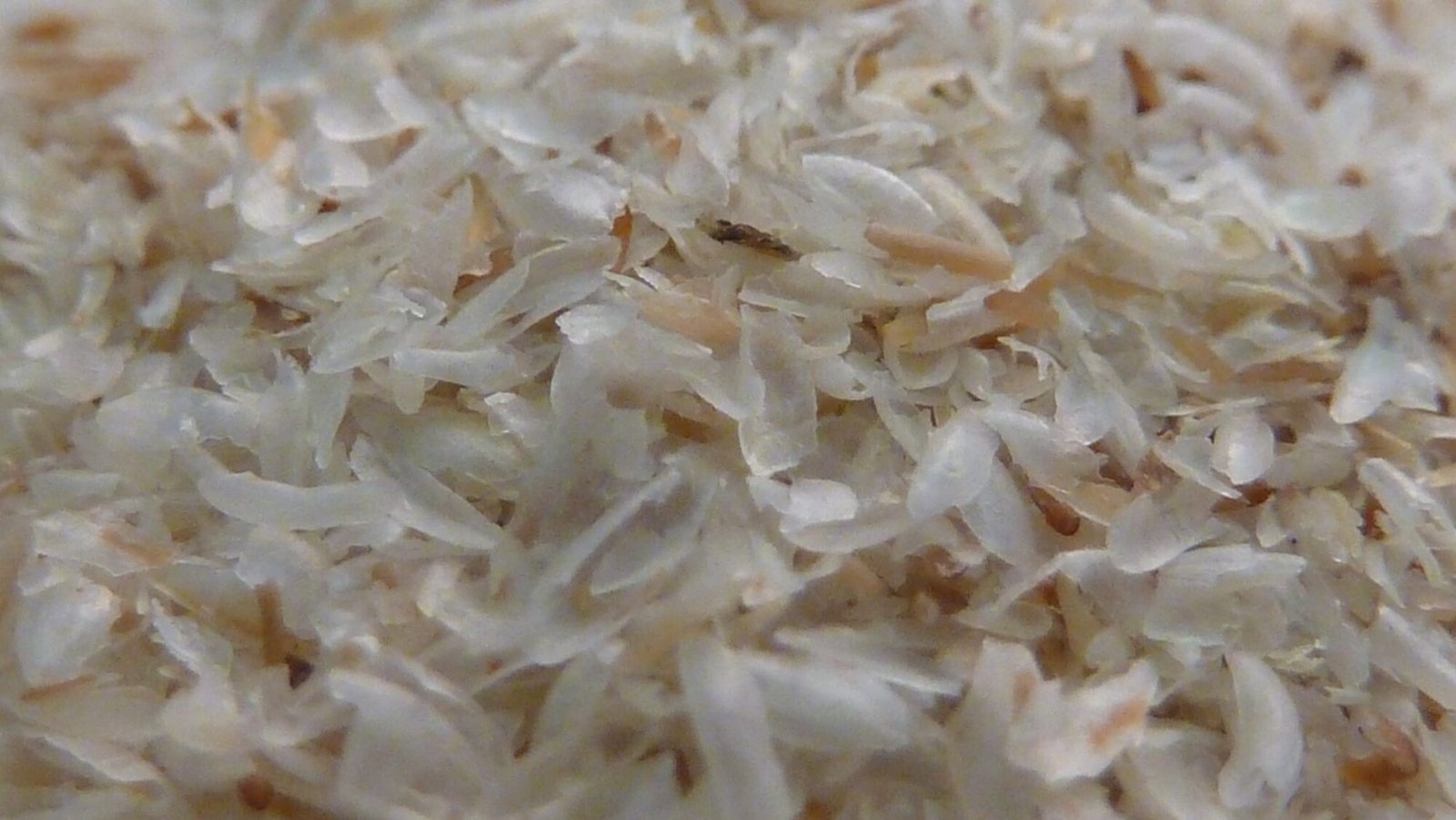
The review concludes that psyllium, also called ispaghula, may have several health-related benefits. It is described as a dietary fiber from the shells of Plantago ovata seeds that may help regulate blood glucose, blood pressure, cholesterol, bowel regularity, and feelings of fullness.
Why the authors say this matters
The authors suggest psyllium may be useful both for managing chronic diseases and for food applications, because it can serve as a natural alternative to some food additives. They also conclude that more long-term clinical trials are needed to determine the effective dose and duration of use.
What the researchers tested
This was a review of recent findings on psyllium. The authors examined its possible health benefits, mechanisms, side effects or toxicity, applications in food systems, and its positive and negative effects.
What worked and what didn't
The abstract reports that studies in the literature support psyllium's therapeutic effects. It also states that psyllium has been associated with antioxidant and antimicrobial properties, reduced inflammatory mediators such as TNF-α and nitric oxide, lower creatinine and uric acid levels, and a reduced risk of carcinogenesis.
What to keep in mind
The abstract does not provide details on the specific studies included, the size of the evidence base, or the quality of that evidence. It also says that longer-term clinical trials are needed to determine the effective dose and duration of use.
Key points
- Psyllium is described as a dietary fiber from the shells of Plantago ovata seeds.
- The review says psyllium may help regulate blood glucose, blood pressure, and cholesterol levels.
- The abstract states psyllium may increase fullness, reduce food intake, and promote bowel regularity.
- Psyllium is presented as a natural alternative to some food additives in fortified foods.
- The authors say longer-term clinical trials are still needed to identify effective dose and duration.
Disclosure
- Research title:
- Psyllium is linked to several potential health benefits
- Authors:
- Nevin Şanlıer, Ebru Özler
- Institutions:
- Ankara University, Ankara University
- Publication date:
- 2026-02-26
- OpenAlex record:
- View
- Image credit:
- Bastique (Cary Bass), Wikimedia Commons, CC BY-SA 3.0
Get the weekly research newsletter
Stay current with scholarly research without reading academic papers — one filtered digest, every Friday.