What the study found
The study found that dengue in Puerto Rico carried a substantial economic burden, especially in epidemic years. Estimated total costs were much higher during an epidemic year than during a median-incidence year.
Why the authors say this matters
The authors conclude that the financial strain of dengue is considerable, particularly during epidemics. They say the findings underscore the need for greater resource allocation, prevention strategies, and policy interventions to reduce the economic impact of future outbreaks.
What the researchers tested
The researchers updated estimates of dengue’s economic burden in Puerto Rico using data from patients, hospitals, and insurance companies. They used island-wide passive surveillance linked to sentinel acute febrile illness surveillance, interviewed 101 people diagnosed with dengue, and analyzed costs with Bayesian multiplier methods and a bottom-up costing approach.
What worked and what didn't
In the median-incidence year of 2014, 597 reported dengue cases were estimated to correspond to 4,500 outpatient cases and 3,900 hospitalized cases. In the epidemic year of 2010, 10,359 reported cases were estimated to correspond to 77,300 outpatient cases and 67,300 hospitalized cases; total economic burden was estimated at 1.1 billion USD, compared with 62.7 million USD in the median year. Median costs per case were 5,200 USD for hospitalized children, 6,800 USD for hospitalized adults, 2,300 USD for outpatient children, and 2,700 USD for outpatient adults, and direct medical plus indirect costs made up the largest share of total costs.
What to keep in mind
The abstract does not describe detailed limitations beyond the study’s use of estimates adjusted for underreporting. The findings are specific to Puerto Rico and to the years analyzed, 2010–2023.
Key points
- Dengue’s economic burden in Puerto Rico was much higher in an epidemic year than in a median-incidence year.
- The estimated total burden was 1.1 billion USD in 2010 versus 62.7 million USD in 2014.
- Direct medical costs and indirect costs accounted for the largest share of total costs.
- Underreporting adjustment substantially increased estimated case counts beyond reported cases.
- Median per-case costs were higher for hospitalized cases than outpatient cases, for both children and adults.
Disclosure
- Research title:
- Dengue’s economic burden in Puerto Rico was far higher during epidemics
- Authors:
- Daniel Camprubí-Ferrer, Maile B. Thayer, Zachary J. Madewell, J. Mac McCullough, Liliana Sánchez-González, Aidsa Rivera, Janice Perez-Padilla, Dania M. Rodríguez, Jomil Torres Aponte, Michael A. Johansson, Gabriela Paz-Bailey, Vanessa Rivera-Amill, Melissa Marzan-Rodriguez, Laura E. Adams
- Institutions:
- Barcelona Institute for Global Health, Boise State University, Centers for Disease Control and Prevention, Centers for Disease Control and Prevention, Centers for Disease Control and Prevention, Centers for Disease Control and Prevention, Centers for Disease Control and Prevention, Centers for Disease Control and Prevention, Centers for Disease Control and Prevention, Centers for Disease Control and Prevention, Centers for Disease Control and Prevention, Hospital Clínic de Barcelona, Ponce Health Sciences University, Puerto Rico Department of Health, Puerto Rico Department of Health, Puerto Rico Department of Health, Puerto Rico Department of Health, Puerto Rico Department of Health, Puerto Rico Department of Health, Puerto Rico Department of Health, Puerto Rico Department of Health, Puerto Rico Department of Health, Puerto Rico Department of Health, Universitat de Barcelona
- Publication date:
- 2026-01-27
- OpenAlex record:
- View
- Image credit:
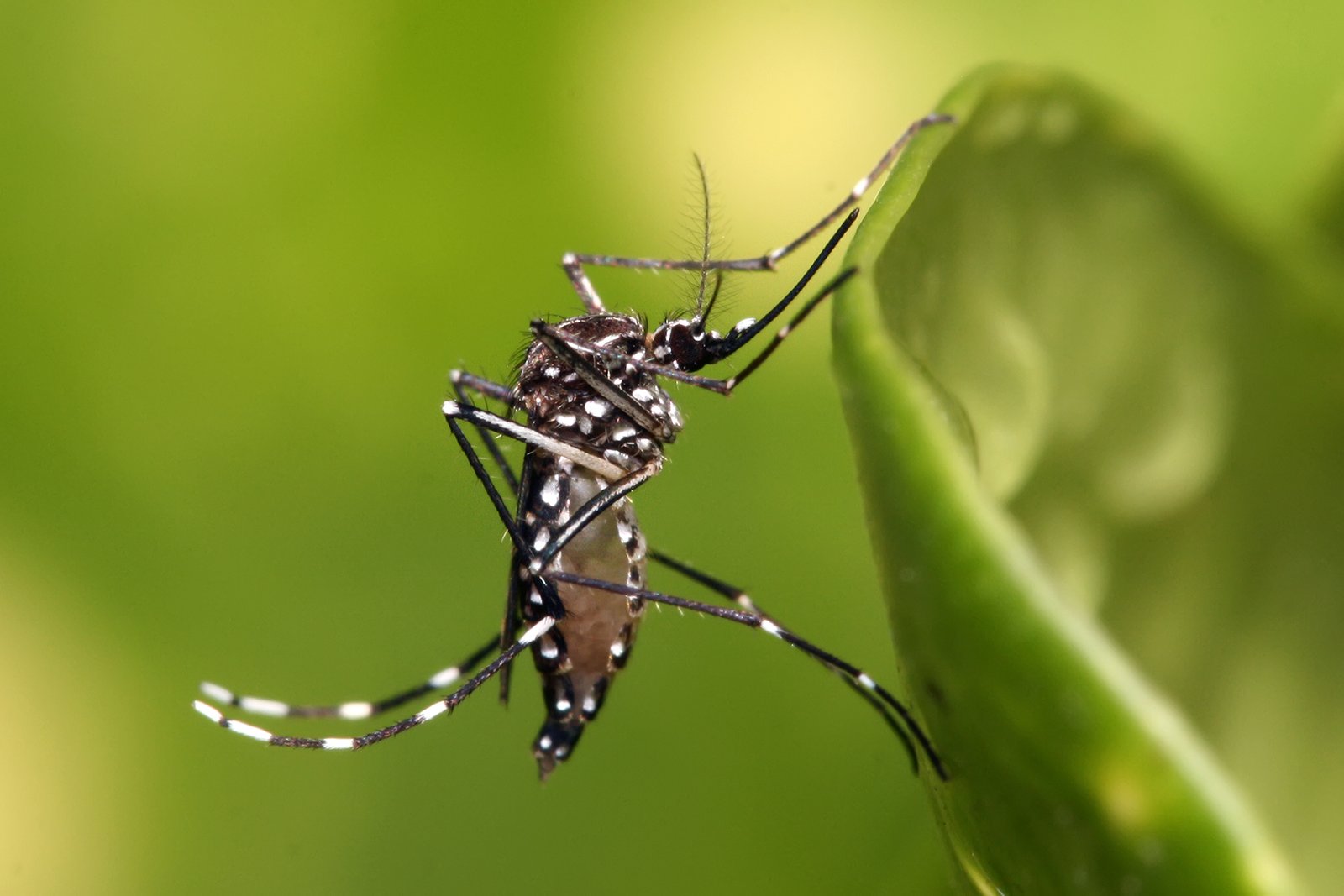
- Muhammad Mahdi Karim, Wikimedia Commons, GFDL 1.2
Get the weekly research newsletter
Stay current with scholarly research without reading academic papers — one filtered digest, every Friday.