What the study found
The article finds that Iran became an important destination for American architects during the 1970s, especially because of large-scale urban development projects in Tehran and other major cities. It also finds that many of these efforts involved mega-projects, but that several were never built.
Why the authors say this matters
The authors suggest that the scale and financial size of these contracts show the opportunities available to American architects in the mid-1970s. They also conclude that the case reflects how economic and political conditions shaped architectural work in Iran.
What the researchers tested
The article examines the presence and activities of American architects in Iran during the 1970s. It does this primarily through a review of American architectural magazines.
What worked and what didn't
American architects won work on major projects such as new towns in Tehran and large residential complexes for affluent groups. The article reports that they also faced planning and negotiation difficulties with clients, mainly the Shah and his aides and foundations, along with conflicting demands and local realities. It further states that the 1973 oil boom, the Shah’s Westernization policies, and the U.S. economic downturn in 1974–75 influenced their involvement, and that the projects later stopped, with most never built.
What to keep in mind
The summary available here is based mainly on American architectural magazines, so it reflects that source base. The abstract does not provide detailed limits on scope beyond the 1970s focus and the projects discussed.
Key points
- Iran in the 1970s attracted many American architects because of rapid urban expansion and modernization projects.
- Many of the projects were large-scale mega-projects, including new towns and residential complexes for affluent groups.
- The architects encountered planning and negotiation problems with the Shah, his aides, and foundations.
- Economic and political factors cited in the abstract included the 1973 oil boom, Westernization policies, and the U.S. downturn in 1974–75.
- The article says these projects eventually stopped, and most were never built.
Disclosure
- Research title:
- American architects found major opportunities in 1970s Iran
- Authors:
- Yahya Sepehri
- Institutions:
- Shahid Beheshti University
- Publication date:
- 2026-03-03
- OpenAlex record:
- View
- Image credit:
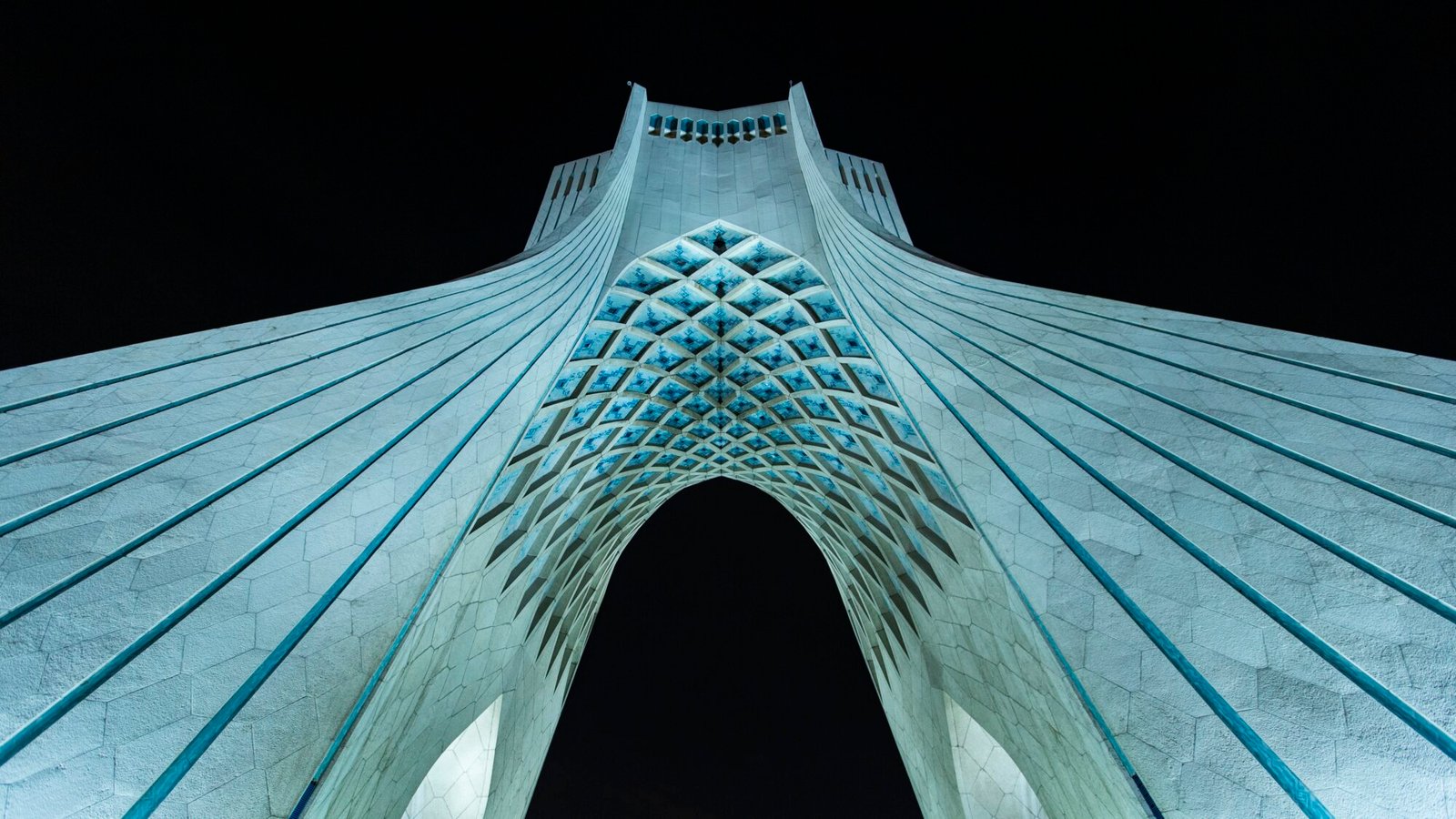
- بهادر های زاده, Wikimedia Commons, CC BY-SA 4.0
Get the weekly research newsletter
Stay current with scholarly research without reading academic papers — one filtered digest, every Friday.