What the study found
The study found that new genome assemblies of two wild tomato species revealed shared and species-specific structural variants, repeat-content differences, and recombination barriers. It also found that crossover rates were higher in female meiosis than in male meiosis in the recombinant plants they analyzed.
Why the authors say this matters
The authors say high-quality genome assemblies are needed to track genetic introgression, which is the movement of genes from one population or species into another. They conclude that these assemblies help show how repeat content diverged in nature and during breeding, and how reproductive gender and structural variants shape recombination landscapes in tomato hybrids.
What the researchers tested
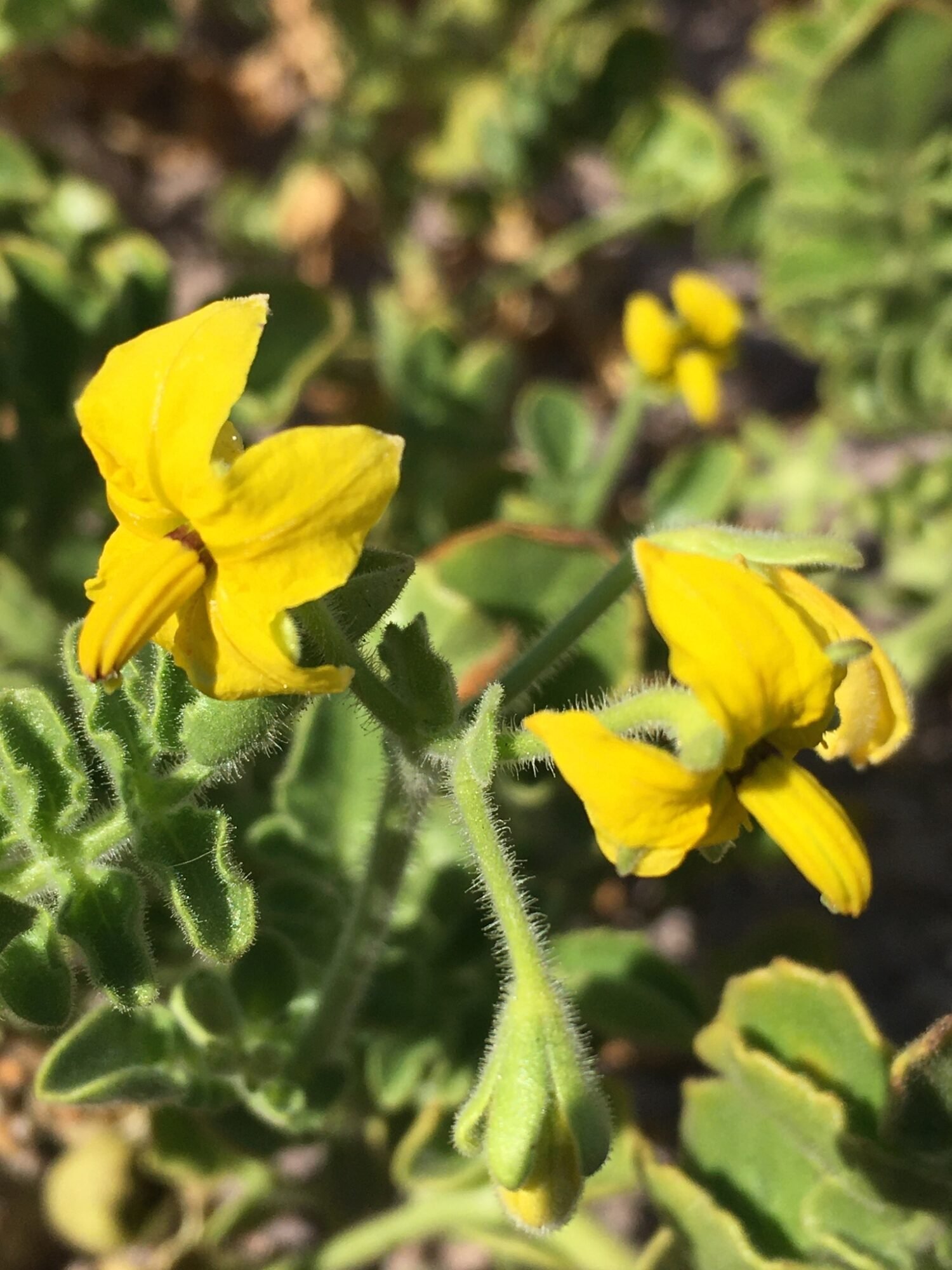
The researchers produced de novo genome assemblies, meaning genome sequences built from scratch, for two wild tomato species: Solanum pennellii (LA0716) and Solanum cheesmaniae (LA1039). They aligned these assemblies with multiple gold-standard assemblies, analyzed repeat content, and sequenced 709 recombinant plants from male and female backcrosses of three hybrids.
What worked and what didn't
The improved S. pennellii genome added 146 Mbp to the twelve chromosomes compared with the original reference. The alignments identified both shared and species-specific structural variants, and repeat analysis showed independent expansions of Tekay retrotransposons in S. pennellii and S. peruvianum. In the recombinant plants, female meiosis showed a higher crossover rate, conserved female-enhanced recombination regions were found, and recombination coldspots were linked to megabase-scale inversions and insertion-deletion polymorphisms.
What to keep in mind
The abstract does not describe limitations in detail. The findings are based on two wild tomato species and three hybrid backcross systems, so the scope described in the summary is specific to those materials.
Key points
- New genome assemblies were generated for Solanum pennellii and Solanum cheesmaniae.
- The improved S. pennellii genome added 146 Mbp to the twelve chromosomes compared with the original reference.
- Tekay retrotransposons expanded independently in S. pennellii and S. peruvianum.
- Female meiosis showed a higher crossover rate than male meiosis in the recombinant plants analyzed.
- Recombination coldspots were associated with megabase-scale inversions and insertion-deletion polymorphisms.
Disclosure
- Research title:
- Wild tomato genomes show structural variants affect recombination
- Authors:
- Willem M. J. van Rengs, Roven Rommel Fuentes, Zahra Zangishei, Elias Primetis, Yazhong Wang, Joiselle Blanche Fernandes, Tamara Susanto, Qichao Lian, Sieglinde Effgen, Bruno Hüettel, Saleh Alseekh, Björn Usadel, Charles J. Underwood
- Institutions:
- Center of Plant Systems Biology and Biotechnology, Cluster of Excellence on Plant Sciences, Forschungszentrum Jülich, Heinrich Heine University Düsseldorf, Heinrich Heine University Düsseldorf, Institute of Genetics and Developmental Biology, KeyGene (Netherlands), Max Planck Institute for Plant Breeding Research, Max Planck Institute for Plant Breeding Research, Max Planck Institute for Plant Breeding Research, Max Planck Institute for Plant Breeding Research, Max Planck Institute for Plant Breeding Research, Max Planck Institute for Plant Breeding Research, Max Planck Institute for Plant Breeding Research, Max Planck Institute for Plant Breeding Research, Max Planck Institute for Plant Breeding Research, Max Planck Institute for Plant Breeding Research, Max Planck Institute of Molecular Plant Physiology, Radboud Institute for Molecular Life Sciences, Radboud Institute for Molecular Life Sciences, Radboud Institute for Molecular Life Sciences, Radboud University Medical Center, Radboud University Medical Center, Radboud University Medical Center, Radboud University Nijmegen, Radboud University Nijmegen, Radboud University Nijmegen, South China Agricultural University
- Publication date:
- 2026-06-28
- OpenAlex record:
- View
- Image credit:
- (c) Matt Berger, some rights reserved (CC BY), Wikimedia Commons, CC BY 4.0
Get the weekly research newsletter
Stay current with scholarly research without reading academic papers — one filtered digest, every Friday.