What the study found
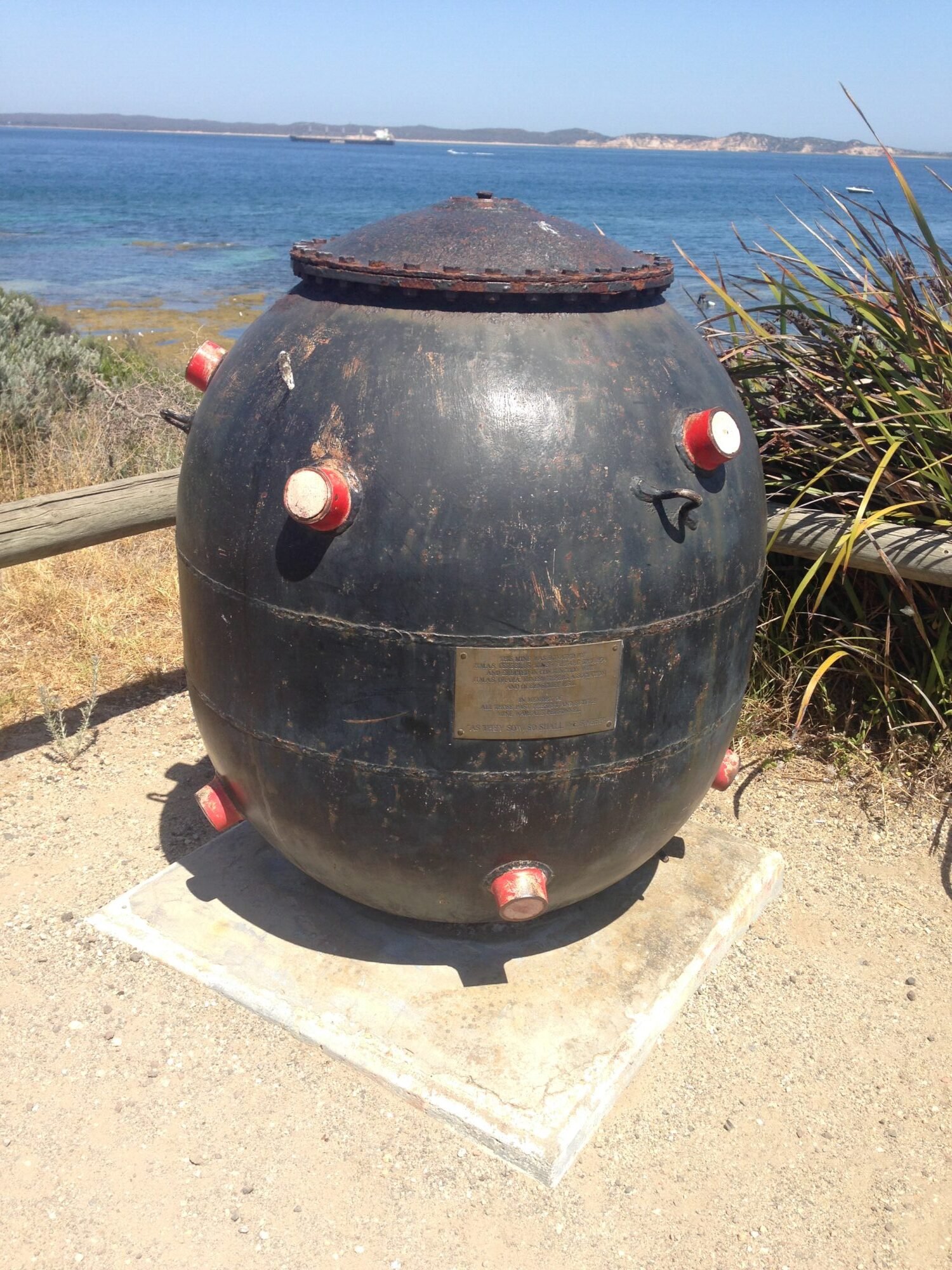
The article concludes that naval mines in the Black Sea have created significant environmental, transboundary, and legal concerns. It says drifting or uncontrolled mines can threaten marine biodiversity, coastal ecosystems, commercial fisheries, and regional maritime safety.
Why the authors say this matters
The authors suggest this matters because the existing legal mechanisms do not sufficiently address the environmental side of naval mine deployment, especially transboundary ecological damage and long-term marine pollution. They also connect the issue to environmental security, marine ecosystem protection, and regional cooperation in the Black Sea.
What the researchers tested
The article uses an interdisciplinary approach to examine the ecological effects of mine warfare in the marine environment and reviews relevant legal frameworks, including Hague Convention VIII of 1907, the UN Convention on the Law of the Sea (UNCLOS), the Bucharest Convention, and customary international humanitarian law. It also evaluates documented mine incidents from 2022 to 2024 against principles such as distinction, proportionality, notification, and the obligation to prevent marine pollution.
What worked and what didn't
The article reports that drifting mines, which can move with hydrodynamic currents or extreme weather, pose risks to marine biodiversity, coastal ecosystems, commercial fisheries, and maritime safety. It also finds that current legal mechanisms fail to sufficiently address environmental harm from naval mine deployment, while soft law instruments such as the San Remo Manual and IMO Guidelines are discussed as possible ways to improve environmental protection standards.
What to keep in mind
The abstract does not describe detailed study limitations or provide quantitative estimates of the environmental effects. The discussion is limited to the Black Sea conflict context and the legal and ecological issues named in the abstract.
Key points
- Naval mines in the Black Sea are described as creating environmental, transboundary, and legal risks.
- Drifting or uncontrolled mines are said to threaten biodiversity, coastal ecosystems, fisheries, and maritime safety.
- The article reviews Hague Convention VIII, UNCLOS, the Bucharest Convention, and customary international humanitarian law.
- Incident records from 2022 to 2024 were assessed against distinction, proportionality, notification, and anti-pollution principles.
- The authors state that current legal mechanisms do not sufficiently address environmental damage from naval mine deployment.
Disclosure
- Research title:
- Black Sea naval mines create environmental and legal risks
- Authors:
- ASM Mahmudul Hasan
- Institutions:
- Karabük University
- Publication date:
- 2026-03-29
- OpenAlex record:
- View
- Image credit:
- Philip Mallis, Wikimedia Commons, CC BY-SA 2.0
Get the weekly research newsletter
Stay current with scholarly research without reading academic papers — one filtered digest, every Friday.