What the study found
The review says the gut microbiome appears to influence how colorectal cancer responds to immune checkpoint inhibitors, especially by affecting resistance in mismatch repair-proficient, microsatellite-stable disease. It also reports that microbiome-based interventions may help restore immune function and support antitumor responses.
Why the authors say this matters
The authors conclude that microbiome-based approaches may be a promising adjunct to colorectal cancer immunotherapy. They also say this area needs rigorous clinical trials and mechanistic validation before routine clinical use.
What the researchers tested
This was a narrative review, so the authors summarized preclinical and clinical studies rather than testing a new intervention themselves. They focused on the gut microbiome, immune checkpoint inhibitors, and microbiome-based interventions such as probiotics, fecal microbiota transplantation, dietary modulation, and traditional medicines.
What worked and what didn't
The review reports that dysbiosis, an imbalance in the gut microbiota, has been linked to treatment resistance, while certain microbial taxa have been associated with stronger antitumor immune responses. It also states that probiotics, fecal microbiota transplantation, diet-based changes, and traditional medicines have shown effects on immune cell populations and immunoregulatory metabolites in preclinical and clinical studies, but findings have been inconsistent.
What to keep in mind
The abstract notes inconsistent findings and safety concerns, including infection risks. Because this is a review, the summary is limited to the studies the authors included, and the abstract does not provide detailed trial results or full methodological limits.
Key points
- Immune checkpoint inhibitors are reported to work mainly in mismatch repair-deficient colorectal cancer.
- Responses in mismatch repair-proficient, microsatellite-stable colorectal cancer remain limited.
- The gut microbiome is described as a factor in colorectal cancer development, progression, and treatment response.
- Probiotics, fecal microbiota transplantation, dietary modulation, and traditional medicines are discussed as possible microbiome-based interventions.
- The abstract notes inconsistent findings and safety concerns, including infection risks.
Disclosure
- Research title:
- Gut microbiome may affect colorectal cancer immunotherapy response
- Authors:
- Desalegn Abebaw, Adane Adugna, Bantayehu Addis Tegegne, Zigale Hibstu Teffera, Bantegzie Selabat, Yonatan Kindie, Melkamu Tilahun, Habtamu Belew, Temesgen Baylie, Getachew Mengistu, Mohammed Jemal, Aytenew Atnaf
- Institutions:
- Debre Markos University, Debre Markos University, Debre Markos University, Debre Markos University, Debre Markos University, Debre Markos University, Debre Markos University, Debre Markos University, Debre Markos University, Debre Markos University, Debre Markos University, Debre Markos University
- Publication date:
- 2026-06-28
- OpenAlex record:
- View
- Image credit:
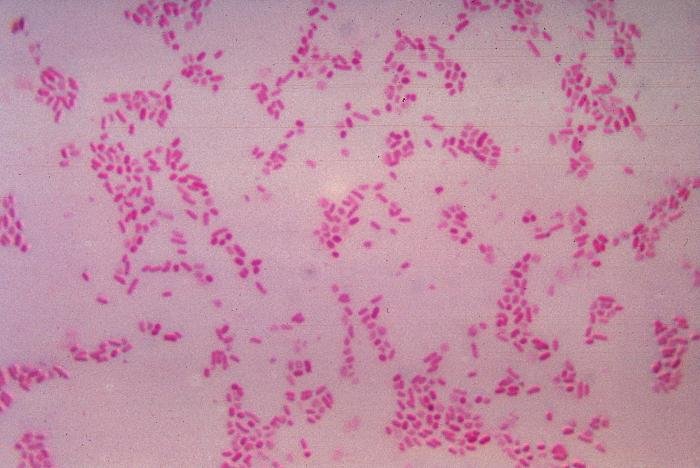
- Content Providers(s): CDC/Dr. V.R. Dowell, Jr., Wikimedia Commons, Public domain
Get the weekly research newsletter
Stay current with scholarly research without reading academic papers — one filtered digest, every Friday.