What the study found
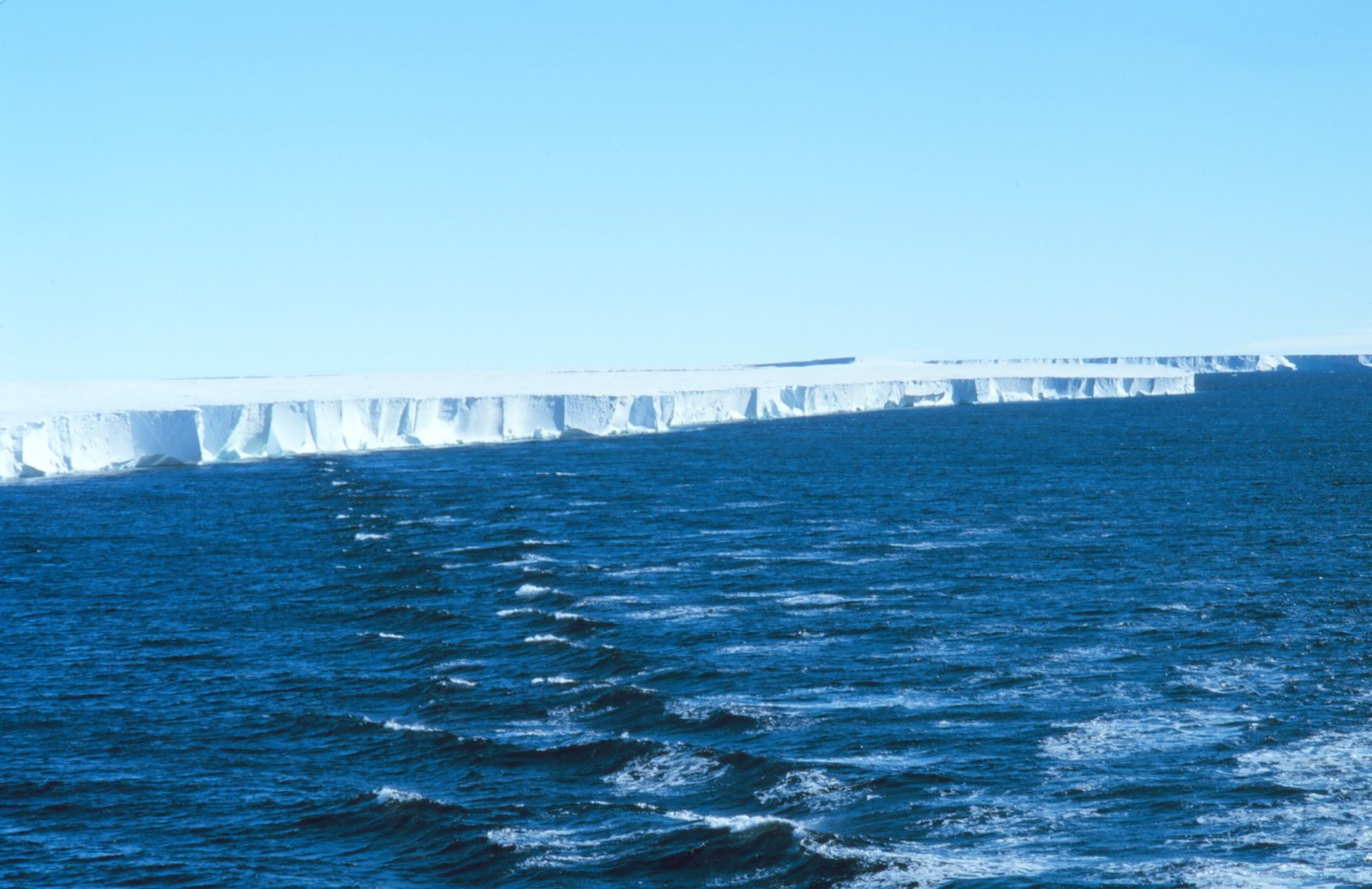
The study found a consistently stratified, 30-meter-thick water column beneath nearly 600 meters of ice and snow at the Kamb Ice Stream grounding zone of the Ross Ice Shelf. Warm inflowing seawater was separated from a colder outflowing mixture of seawater and glacial meltwater.
Why the authors say this matters
The authors say these grounding zone conditions have major implications for global sea level rise over the coming century and beyond. They also conclude that the grounding zone may be a distinct region within the ice shelf cavity.
What the researchers tested
The researchers presented ocean data from the Kamb Ice Stream grounding zone of the Ross Ice Shelf. They also analyzed a 10-month timeseries of stratification to examine how conditions changed over time.
What worked and what didn't
The stratification was resilient but variable over the 10-month record. Internal wave activity caused frequent mixing between the two layers, which the authors suggest may help explain the grounding zone's behavior.
What to keep in mind
The abstract notes that grounding zone ocean environments are difficult to access and have been sampled only a handful of times, often as brief snapshots. The summary does not describe additional limitations beyond the specific site and time period studied.
- A 30-meter-thick water column was found beneath nearly 600 meters of ice and snow.
- Warm seawater entered below while colder seawater and glacial meltwater flowed above.
- A 10-month record showed the layering was stable but not fixed.
- Internal waves frequently mixed the two layers.
- The authors link grounding zone conditions to broader sea level rise concerns.