Blog

  • Ethical tensions emerge over CPR in brain-dead pediatric organ donors

    What the study found

    The article presents ethical disagreement over organ-preserving cardiopulmonary resuscitation, or OP-CPR, in a brain-dead pediatric organ donor. The case of a 12-year-old patient whose parents authorized organ donation led to concern when OP-CPR was ordered after cardiovascular collapse.

    Why the authors say this matters

    The authors conclude that the situation highlights tensions between organ availability, family intent, bodily integrity, and the dignity and personhood of the donor. They say clearer guidelines and better collaboration between pediatric intensive care teams and organ procurement organizations are needed, along with ethical frameworks for conscientious objection and conscientious commitment.

    What the researchers tested

    This Ethics Rounds article examines one clinical case and presents three perspectives on OP-CPR. The perspectives come from an ethicist working for an organ procurement organization, two pediatric intensive care attendings and bioethicists, and three nurses.

    What worked and what didn't

    One perspective argues that OP-CPR fits the family's intent and justice because it may increase organ availability. Another argues it may not be ethically justified because the chance of reaching the main goal is low, and it may harm the donor's dignity and personhood; concerns were also raised about communication and lack of explicit permission. The nurses describe communication problems, moral distress, and policy challenges connected to the practice.

    What to keep in mind

    The abstract describes a single case and a discussion of viewpoints, not an outcome study. It does not provide data on how often OP-CPR is used or whether it improves organ procurement in practice.

    • The article focuses on OP-CPR in a 12-year-old brain-dead organ donor.
    • The parents had authorized organ donation before cardiovascular collapse occurred.
    • An organ procurement director instructed staff to perform OP-CPR, which raised ethical concerns in the PICU team.
    • One view supports OP-CPR as consistent with family intent and justice because it may increase organ availability.
    • Other views question OP-CPR because of low likelihood of success, possible harm to dignity and personhood, and communication problems.
    • The authors call for clearer guidelines and better collaboration between care teams and organ procurement organizations.
  • Single-strut model predicts seismic behavior of lightweight infilled RC frames

    What the study found

    The study found that an advanced single-strut macro-model could reproduce the nonlinear behavior of reinforced concrete frames with lightweight infills. The model was calibrated for hollow clay brick, gypsum block, and autoclaved lightweight concrete systems and showed errors below 10% in lateral capacity and initial stiffness.

    Why the authors say this matters

    The authors conclude that the proposed modeling strategy is a reliable tool for performance-based design and analysis. They also say it can help engineers run parametric studies and assess the seismic suitability of different infill systems with less time and cost than full-scale testing.

    What the researchers tested

    The researchers implemented a single-strut macro-model in SAP2000, a structural analysis program, and added material-specific nonlinear axial hinges. These hinges were calibrated against full-scale experimental data from Cai et al. to represent crushing, shear-sliding, and slip-hardening behavior in the three infill types.

    What worked and what didn't

    The calibrated model showed high predictive accuracy, with lateral capacity and initial stiffness errors below 10% for all three systems. In the seismic comparison, hollow clay brick infills increased initial stiffness by 471% but failed in a brittle way, autoclaved lightweight concrete panels showed ductility of μ = 5.39 and stable energy dissipation up to 4.06% drift, and the gypsum system showed abrupt strength degradation and was considered seismically inadequate.

    What to keep in mind

    The study is based on a specific experimental dataset and on the modeling assumptions used in SAP2000. The abstract does not describe other limitations beyond this scope.

    • A single-strut macro-model was developed for lightweight masonry-infilled reinforced concrete frames.
    • The model was calibrated to full-scale tests for hollow clay brick, gypsum block, and autoclaved lightweight concrete infills.
    • Predicted lateral capacity and initial stiffness were both within 10% error for all systems.
    • Hollow clay brick infills greatly increased stiffness but showed brittle failure.
    • Autoclaved lightweight concrete panels had the best ductility and stable energy dissipation among the three systems.
  • Aurignacian signs formed conventional, structured sequences

    What the study found

    The study found that geometric sign sequences on Aurignacian artifacts were deliberate, systematic, and conventional rather than random. The authors also report that these sign sequences were comparable in statistical structure to those on the earliest protocuneiform tablets, which are early writing-like tablets.

    Why the authors say this matters

    The authors conclude that the first hunter-gatherers arriving in Europe were already using sign sequences of comparable complexity many thousands of years before genuine writing appeared. They suggest this adds to understanding of how humans stored and shared information in the Paleolithic period.

    What the researchers tested

    The researchers analyzed more than 200 mobile objects from the Aurignacian culture, dated to 43,000 to 34,000 years ago, and cataloged several thousand geometric signs on them. They used classification algorithms and statistical models to measure quantitative properties of the sign sequences and compare them with modern writing and early protocuneiform tablets.

    What worked and what didn't

    The analyses showed that the Paleolithic sign sequences were clearly distinguishable from modern writing. They also showed statistical similarity to the earliest protocuneiform tablets and that signs were applied more densely on some object types, such as ivory figurines compared with tools. The authors state that these results do not strictly prove that the Aurignacian signs encoded numero-ideographic information, meaning number-and-idea-based writing-like content.

    What to keep in mind

    The abstract says the findings do not prove that the Aurignacian sign sequences had the same meaning as protocuneiform tablets. The analysis is based on a corpus of mobile objects from one archaeological culture and period, so the claims are limited to that available sample.

    • More than 200 Aurignacian artifacts with several thousand geometric signs were analyzed.
    • The sign sequences were distinguishable from modern writing.
    • Their statistical properties were comparable to the earliest protocuneiform tablets.
    • Signs were applied more densely on some objects, such as ivory figurines, than on tools.
    • The authors say the results do not prove the signs encoded numero-ideographic information.
  • South Africa’s maternal mortality rose during the COVID-19 pandemic

    What the study found

    The study found that South Africa's earlier progress in lowering maternal mortality was reversed during the COVID-19 pandemic. It also found large differences between provinces, with only two showing a sustained downward trend and three showing consistently high and unstable maternal mortality ratios.

    Why the authors say this matters

    The authors conclude that South Africa is not yet on track to meet its Sustainable Development Goal 3.1 target for maternal mortality. The study suggests the pandemic exposed weak points in the health system and that targeted, equity-focused action is needed in underperforming provinces.

    What the researchers tested

    The researchers carried out a longitudinal trend analysis using secondary data from South Africa's Confidential Enquiry into Maternal Deaths reports from 2017 to 2022. They examined national and provincial institutional maternal mortality ratio trends and compared changes across provinces.

    What worked and what didn't

    Before the pandemic, maternal mortality was improving, but during the pandemic the national institutional maternal mortality ratio rose by 42%. A decrease was seen in 2022, but the rate stayed above the 2019 baseline, and most provinces did not show clear improvement.

    What to keep in mind

    The abstract does not describe detailed statistical methods beyond comparative trend analysis. It also does not provide the underlying causes of the provincial differences, only that disparities were substantial and persistent.

    • The national institutional maternal mortality ratio increased by 42% during the COVID-19 pandemic.
    • A drop in 2022 did not bring the rate back to the 2019 baseline.
    • Only two provinces maintained a downward trend in maternal mortality.
    • Three provinces had consistently high and volatile maternal mortality ratios.
    • The authors say South Africa is not yet on track for the maternal mortality SDG target.
  • Pregnant women with autoimmune disease showed altered left ventricular myocardial work

    What the study found

    The study found signs of subclinical left ventricular dysfunction in pregnant women with autoimmune diseases. Apical constructive work was consistently reduced in this group.

    Why the authors say this matters

    The authors conclude that myocardial work, especially apical constructive work, provides incremental value over global longitudinal strain, a standard measure of how the heart muscle shortens, in autoimmune pregnancies.

    What the researchers tested

    The researchers evaluated left ventricular myocardial work using left ventricular pressure-strain loops, which combine heart pressure and strain measurements. They studied 96 participants: pregnant women with autoimmune diseases, non-pregnant patients with autoimmune diseases, and healthy pregnant women, using echocardiography, two-dimensional speckle-tracking, and myocardial work analysis.

    What worked and what didn't

    After adjustment, the pregnant autoimmune group had increased left ventricular volume and lower apical constructive work than the non-pregnant autoimmune group, while global myocardial work indices were similar. Compared with healthy pregnant women, they had lower E/A, increased left ventricular volumes, higher E/e', and higher peak strain dispersion; after adjustment, they also had lower global work index, global constructive work, global work efficiency, and apical constructive work, with peak strain dispersion still higher.

    What to keep in mind

    The abstract does not describe longer-term outcomes or clinical follow-up. The study was conducted at one hospital and included 96 participants, so the available summary does not show how broadly the findings apply.

    • Pregnant women with autoimmune diseases showed subclinical left ventricular dysfunction.
    • Apical constructive work was consistently lower in the pregnant autoimmune group.
    • Compared with healthy pregnant women, the group had worse several myocardial work and echocardiographic measures.
    • Global myocardial work indices were similar between pregnant and non-pregnant autoimmune patients before adjustment.
    • The authors say myocardial work may add value beyond global longitudinal strain.
  • Echocardiographic measures predicted poor outcomes in advanced-age PIHS

    What the study found

    Women aged 35 years or older with pregnancy-induced hypertension syndrome (PIHS) who had adverse pregnancy outcomes showed worse echocardiographic measurements than those with favorable outcomes. The study found that several heart-function indicators and clinical risk factors were associated with poorer outcomes.

    Why the authors say this matters

    The authors conclude that multi-parameter echocardiographic assessment may offer a reliable, non-invasive way to identify high-risk PIHS patients. They suggest this could support closer monitoring and timely intervention to improve maternal and fetal prognosis.

    What the researchers tested

    The researchers retrospectively studied 240 women aged 35 years or older diagnosed with PIHS between February 2019 and June 2022. They compared echocardiographic indicators, including ejection fraction, stroke volume, cardiac output, E/A ratio, early diastolic mitral annular velocity, E/E′ ratio, left atrial volume index, pulmonary venous flow velocities, and the Tei index, between women with favorable and adverse pregnancy outcomes.

    What worked and what didn't

    Women with adverse outcomes had significantly lower ejection fraction, stroke volume, cardiac output, E/A ratio, early diastolic mitral annular velocity, and reduced S- and D-wave velocities. They also had higher E/E′ ratio, left atrial volume index, Ar-wave velocity, and Tei index, and the differences were reported as statistically significant. A history of hypertension, nephritis, and a family history of hypertension were also identified as significant clinical risk factors.

    What to keep in mind

    This was a retrospective study, so the abstract does not describe randomized testing or direct proof of cause and effect. The summary also does not provide details on how adverse pregnancy outcomes were defined beyond grouping patients into favorable and adverse outcome groups.

    • 240 women aged 35 years or older with PIHS were included in a retrospective study.
    • Adverse outcomes were linked to lower ejection fraction, stroke volume, cardiac output, E/A ratio, and early diastolic mitral annular velocity.
    • Adverse outcomes were linked to higher E/E′ ratio, left atrial volume index, Ar-wave velocity, and Tei index.
    • History of hypertension, nephritis, and family history of hypertension were significant clinical risk factors.
    • A combined echocardiographic model had an AUC of 0.925 for predicting outcomes.
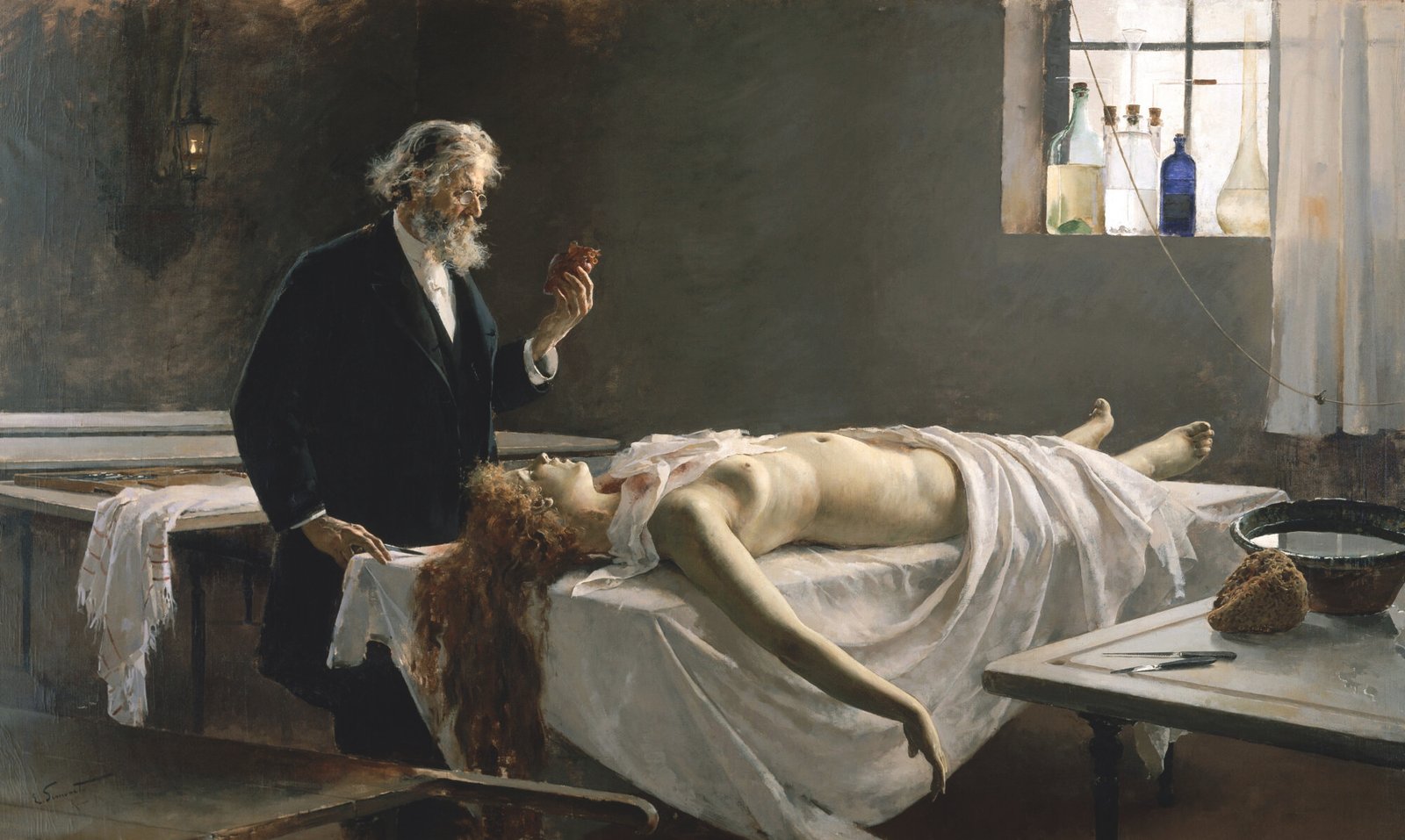
  • Care shapes anatomical pathology technologists’ autopsy practice

    Care shapes anatomical pathology technologists’ autopsy practice

    What the study found

    The study found that care is woven throughout the practice and identities of Anatomical Pathology Technologists, who assist during post-mortems and care for the deceased body before and after autopsy. The author argues that this care can be both technically and morally good, including actions that go beyond what is necessary or required.

    Why the authors say this matters

    The authors suggest this helps extend understandings of care to relationships with the dead. They also conclude that it adds new insight into how coronial justice can, and should, gain legitimacy.

    What the researchers tested

    The article uses original empirical data from interviews with Anatomical Pathology Technologists. These are professionals who assist in medico-legal autopsies and take responsibility for the deceased person's body before and after the post-mortem examination.

    What worked and what didn't

    The interviews support the argument that care is present throughout this work, even within a setting shaped by complex relations and regulations. The abstract says this care can include actions that go beyond what is necessary or mandated.

    What to keep in mind

    The abstract does not describe specific limitations, sample size, or the interview design in detail. The findings are based on Anatomical Pathology Technologists' accounts in the context of medico-legal autopsies.

    • The study says care is central to Anatomical Pathology Technologists' work in medico-legal autopsies.
    • The author argues that care can be technically and morally good, including actions beyond formal requirements.
    • The article is based on interviews with Anatomical Pathology Technologists.
    • The authors suggest the findings extend care beyond living relationships to relationships with the dead.
    • The abstract says the work may offer insight into the legitimacy of coronial justice.
  • Authors call for more inclusive human microbiome research

    What the study found

    The authors argue that globalizing human microbiome research raises ethical concerns about European and North American dominance. They identify three main concerns: scientific bias toward those populations, limited meaningful community inclusion and ownership, and too little inclusion of diverse global researchers.

    Why the authors say this matters

    The authors suggest these concerns may reproduce a colonial bias and perpetuate inequities in global health research and outcomes. They conclude that more inclusive and participatory microbiome research could benefit global communities, individuals, and researchers, and help decolonize and improve health worldwide.

    What the researchers tested

    The article is a conceptual and ethical discussion rather than a report of an experiment. The authors divide the problem into three concerns and propose three recommendations centered on co-laboration, meaning joint labor among diverse partners across disciplines, cultures, and kinds of knowledge, and co-laborative science, a form of citizen science based on those synergies.

    What worked and what didn't

    The authors present co-laboration and co-laborative science as their proposed responses to the ethical concerns they describe. The abstract does not report empirical testing or measured outcomes, so it does not say what worked in practice or what did not.

    What to keep in mind

    The abstract provides recommendations and a programmatic list, but no study data, sample, or outcome measures are described. The claims and proposals are limited to the ethical issues and solutions stated in the abstract.

    • The authors say human microbiome research is becoming globalized but remains dominated by Europe and North America.
    • They identify three ethical concerns: population bias, weak community inclusion, and limited inclusion of diverse global researchers.
    • They propose co-laboration and co-laborative science as ways to support more inclusive research.
    • The abstract says these ideas are meant to guide ethical human microbiome research and a programmatic list for practice.
  • Contemporary Indian English novels present women as agents of resistance

    Contemporary Indian English novels present women as agents of resistance

    What the study found

    The study finds that contemporary Indian English novels reflect an evolving feminist consciousness. In these novels, women are shown not only as victims of patriarchy but also as individuals who challenge it and seek autonomy and self-identity.

    Why the authors say this matters

    The authors suggest that these novels contribute to feminist discourse in literature by showing complex female characters and by highlighting how gender inequality, patriarchy, identity, and social oppression shape women's lives. They also note that the findings indicate these narratives include intersections of caste, class, culture, and sexuality.

    What the researchers tested

    The paper uses qualitative textual analysis of selected contemporary Indian English novels. It examines how female characters negotiate patriarchal norms, cultural expectations, and social restrictions.

    What worked and what didn't

    The analysis indicates that modern Indian English fiction moves beyond traditional depictions of women as passive figures. It presents women through themes of agency, empowerment, and resistance, while also showing the influence of caste, class, culture, and sexuality.

    What to keep in mind

    The abstract does not name the specific novels analyzed, so the scope of the sample is not fully described here. It also does not provide detailed limitations beyond the focus on selected works.

    • The study argues that contemporary Indian English novels show an evolving feminist consciousness.
    • Women are portrayed as both shaped by patriarchy and resistant to it.
    • The paper uses qualitative textual analysis of selected novels.
    • The findings highlight agency, empowerment, and resistance in female characters.
    • The abstract says gender issues intersect with caste, class, culture, and sexuality.
  • Operational transparency improves understanding but not engagement

    What the study found

    The study found that operational transparency in government social media can help the public better understand how government works. It also suggests more favorable perceptions of government performance in time-sensitive operations, but limited effects on engagement and collaboration intentions.

    Why the authors say this matters

    The authors say this matters because operational transparency appears to serve functions beyond simply providing information. The findings indicate it may support government social media goals related to representation, engagement, and collaboration, although not equally across all three goals.

    What the researchers tested

    The researchers conducted two survey experiments with broadly representative U.S. online samples. Study 1 included 1,003 respondents, and Study 2 included 1,594 respondents.

    What worked and what didn't

    Operational transparency was associated with a better understanding of government activities. It also fostered more favorable perceptions of government performance in time-sensitive operations. However, it showed limited influence on intentions to engage or collaborate.

    What to keep in mind

    The abstract does not describe detailed limitations beyond the scope of the two survey experiments. The findings are based on U.S. online samples, so the summary does not provide evidence about other populations or settings.

    • Two survey experiments tested operational transparency in government social media.
    • The samples were broadly representative U.S. online samples, with 1,003 and 1,594 respondents.
    • Operational transparency helped participants better understand how government works.
    • It also improved perceptions of government performance in time-sensitive operations.
    • It had limited influence on engagement and collaboration intentions.