What the study found
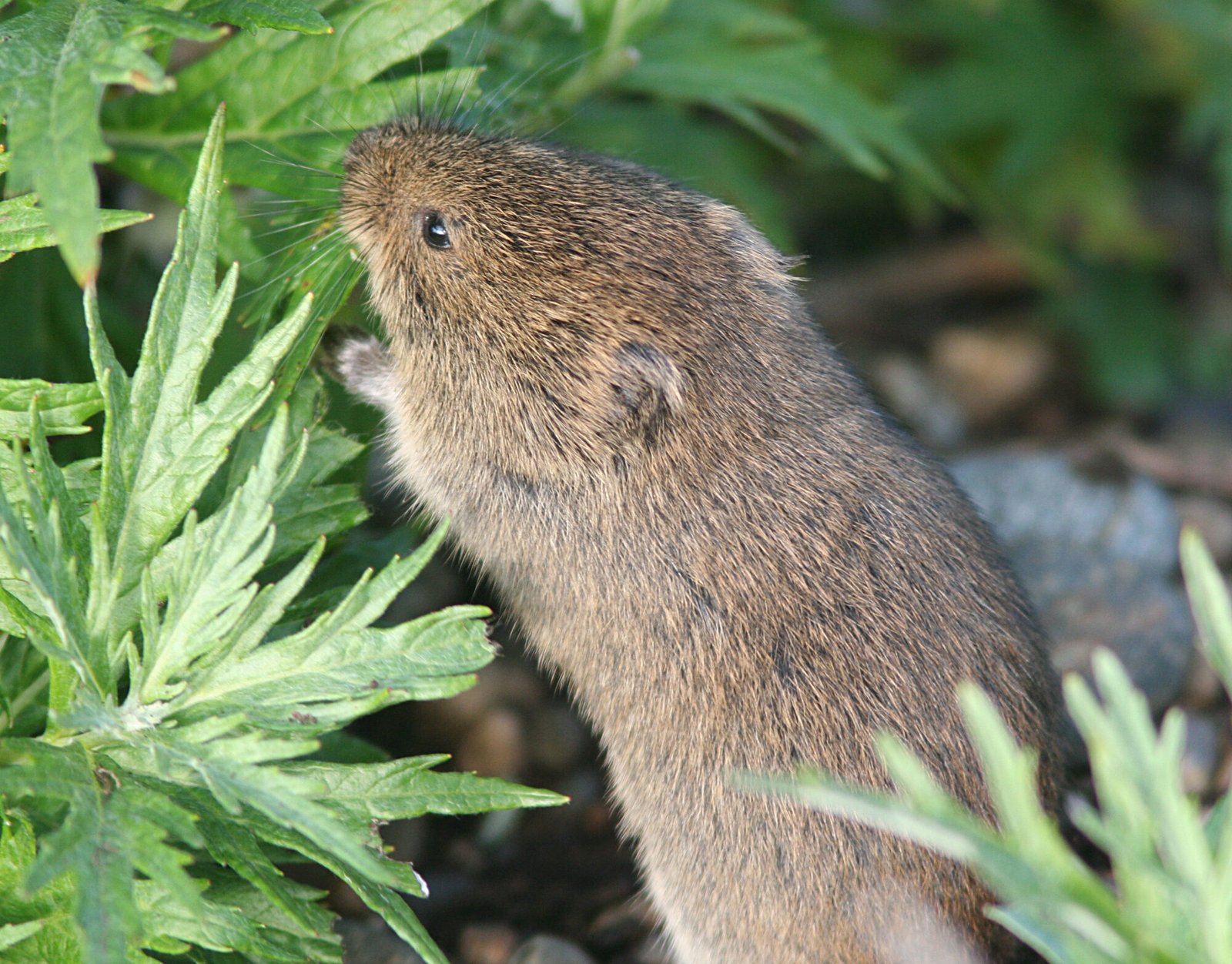
High population density stress was associated with major changes in the fecal microbiota and metabolites of Qinghai-Tibet Plateau root voles. The study also found higher fecal corticosterone metabolite levels in high-density voles, which the authors describe as evidence of a strong stress response.
Why the authors say this matters
The authors conclude that the findings offer new insights into the ecological adaptability of small mammals. They suggest the study helps validate gut microbiota findings from laboratory work under natural field conditions.
What the researchers tested
The researchers used field enclosures to study root voles under different population densities. They analyzed fecal microbiota with 16S ribosomal RNA sequencing and examined fecal metabolites with untargeted metabolomics; they also measured fecal corticosterone metabolites, a marker of stress.
What worked and what didn't
High-density voles had higher abundances of Bacteroidota, CAG-485, Duncaniella, and Paramuribaculum, and lower abundances of Firmicutes_A, Firmicutes_D, Desulfobacterota_I, Lactobacillus, Desulfovibrio_R, and Butyribacter. Predicted pathways related to antibiotic biosynthesis, D-alanine metabolism, and the pentose phosphate pathway were up-regulated, while amino acid biosynthesis pathways were down-regulated. Metabolomics identified many differential metabolites, including higher cholic acid, lithocholic acid, and succinic acid, and lower L-lysine, L-valine, and dehydroepiandrosterone.
What to keep in mind
The abstract does not describe specific limitations of the study. The findings are based on field enclosures and fecal measurements in root voles, so the summary is limited to that species, setting, and the measured microbial and metabolic markers.
Key points
- High population density stress increased fecal corticosterone metabolites in root voles.
- The fecal microbiota shifted in composition, including higher Bacteroidota and lower Lactobacillus in high-density voles.
- Untargeted metabolomics found hundreds of differential metabolites in both positive and negative ion modes.
- Several bile acids and succinic acid were higher, while amino acids such as L-lysine and L-valine were lower.
- The authors say the findings provide new insights into ecological adaptability in small mammals.
Disclosure
- Research title:
- Population density stress reshaped vole gut microbes and metabolites
- Authors:
- Zhibo Qin, Shuo Guo, Shouyang Du, Guozhen Shang, Yang LIU, Yanbin Yang
- Institutions:
- Chinese Academy of Sciences, Henan Academy of Agricultural Sciences, Henan Academy of Agricultural Sciences, Henan Academy of Agricultural Sciences, Henan Academy of Agricultural Sciences, Henan Agricultural University, Henan Agricultural University, Henan Agricultural University, Henan Agricultural University, Henan Institute of Science and Technology, Xinjiang Institute of Ecology and Geography
- Publication date:
- 2026-03-07
- OpenAlex record:
- View
- Image credit:
- ALAN SCHMIERER, Wikimedia Commons, CC0
Get the weekly research newsletter
Stay current with scholarly research without reading academic papers — one filtered digest, every Friday.