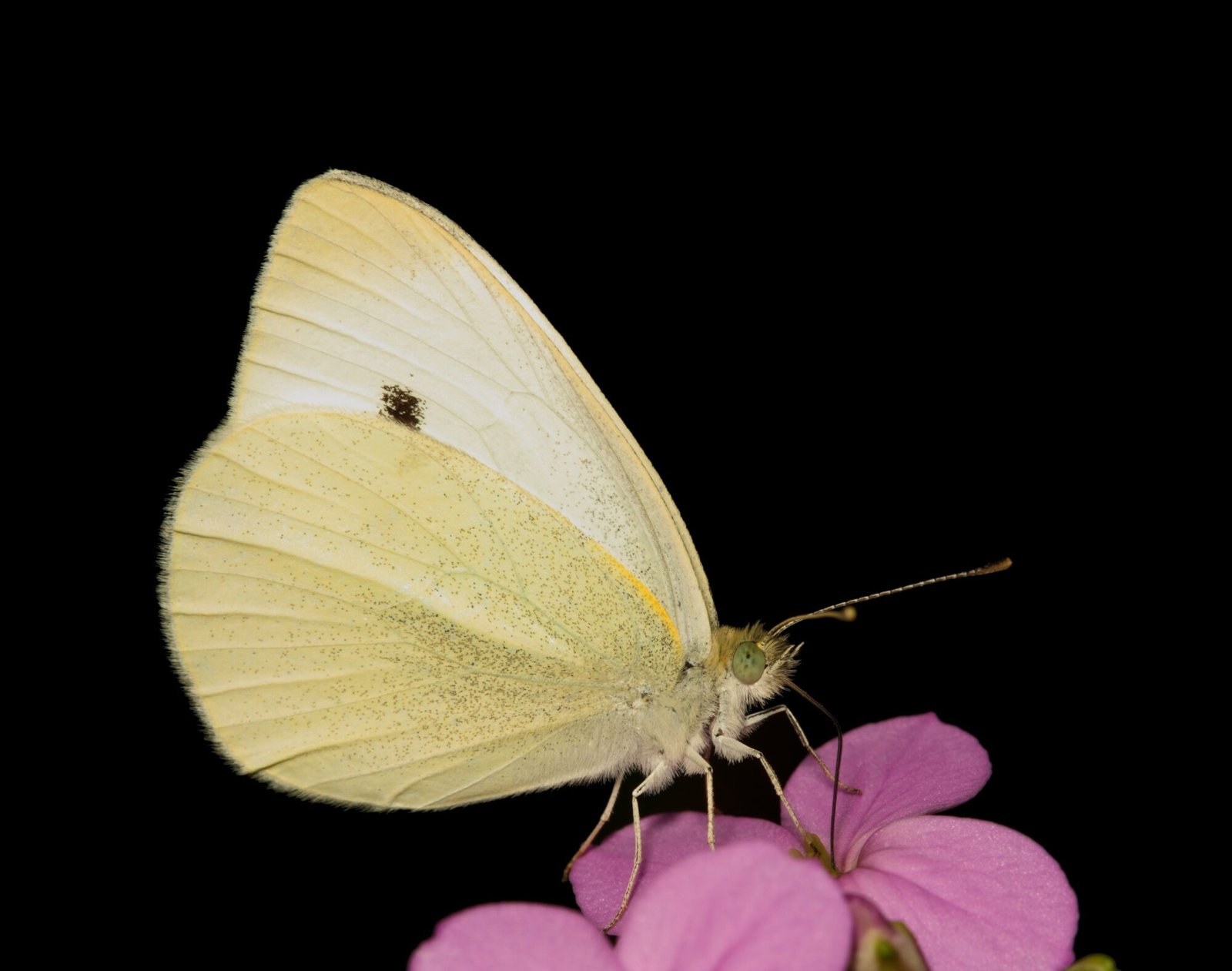
What the study found
The study found that climate warming and aridification were consistently linked to butterfly population declines in both urban and rural settings. The authors also report that urban context can strengthen the negative effects of climate change on these populations.
Why the authors say this matters
The authors conclude that butterfly population change is shaped by a complex interplay of climate change, urban context, and species traits. They suggest that urbanisation generally amplifies the negative impact of climate change on insect population trends.
What the researchers tested
The researchers analysed long-term monitoring data from more than 8,400 populations of 145 butterfly species across 869 sites in 12 European countries. They modelled population trends against temperature, precipitation, aridity, urbanisation, urban versus rural context, and species traits including trophic specialisation, body size, reproductive rate, and thermal adaptation.
What worked and what didn't
Climate warming and aridification were consistently associated with declines in butterfly populations in both rural and urban contexts. Urbanisation by itself did not predict trends, but the urban-rural context strongly changed how species responded to warming; species with colder thermal niches and lower reproductive rates were most vulnerable. Under aridification, trophic specialists declined more in urban areas, while generalists declined more in rural sites.
What to keep in mind
The abstract does not describe specific limitations of the study. It also notes that precipitation effects varied by location and species, so those results were not consistent across the full data set.
Key points
- Climate warming and aridification were linked to butterfly population declines across Europe.
- Urbanisation alone did not predict butterfly population trends.
- Urban context strengthened the negative impact of warming on butterfly populations.
- Species with colder thermal niches and lower reproductive rates were most vulnerable to warming.
- Precipitation effects varied by location and species.
- Under aridification, trophic specialists declined more in urban areas, while generalists declined more in rural sites.
Disclosure
- Research title:
- Climate warming and urban context shape European butterfly declines
- Authors:
- Pau Colom, Ashley Tejeda, Simona Bonelli, Benoît Fontaine, Mikko Kuussaari, Dirk Maes, Xavier Mestdagh, Miguel L. Munguira, Martin Musche, Lars B. Pettersson, David Roy, Johannes Rüdisser, Martina Šašić, Reto Schmucki, Constantí Stefanescu, Nicolas Titeux, Josef Settele, Chris van Swaay, Javier Gordillo, Yolanda Melero
- Institutions:
- Centre d'Écologie et des Sciences de la Conservation, Centre for Research on Ecology and Forestry Applications, Centre for Research on Ecology and Forestry Applications, Centre for Research on Ecology and Forestry Applications, Centre National de la Recherche Scientifique, Croatian Natural History Museum, Czech Society for Butterfly and Moth Conservation, Department of Public Health, Dutch Butterfly Conservation, Finnish Environment Institute, German Centre for Integrative Biodiversity Research, Helmholtz Centre for Environmental Research, Helmholtz Centre for Environmental Research, Hospital General de Granollers, Institut de Biologia Evolutiva, Institut de Biologia Evolutiva, Institut de Biologia Evolutiva, Lund University, Luxembourg Institute of Science and Technology, Luxembourg Institute of Science and Technology, Radboud Institute for Molecular Life Sciences, Radboud University Medical Center, Radboud University Nijmegen, Research Institute for Nature and Forest, Structure et Instabilité des Génomes, UK Centre for Ecology & Hydrology, UK Centre for Ecology & Hydrology, Universidad Autónoma de Madrid, Universität Innsbruck, University of Exeter, University of Turin
- Publication date:
- 2026-02-01
- DOI:
- 10.1111/geb.70204
- OpenAlex record:
- View
- Image credit:
- Pieris_rapae_.JPG: Bruce Marlin
derivative work: IdLoveOne, Wikimedia Commons, CC BY 3.0
Get the weekly research newsletter
Stay current with scholarly research without reading academic papers — one filtered digest, every Friday.