What the study found
The study found differences in food waste production and waste patterns among Generation Z participants across Italy, Estonia, Croatia, Romania, and Serbia. It also found that an extended Theory of Planned Behaviour, a model for understanding intentions and behaviour, predicted intentions to reduce food waste.
Why the authors say this matters
The authors conclude that the identified behavioural determinants could inform targeted interventions for young consumers. The study suggests that understanding country-specific patterns may help in designing such interventions.
What the researchers tested
The researchers studied 330 Generation Z individuals aged 18-24 years from five European countries. They used a mixed-methods approach combining 7-day food waste diaries, visual plate-waste analysis, and self-administered questionnaires, and they extended the Theory of Planned Behaviour with moral social values, awareness of health risks, and good provider identity.
What worked and what didn't
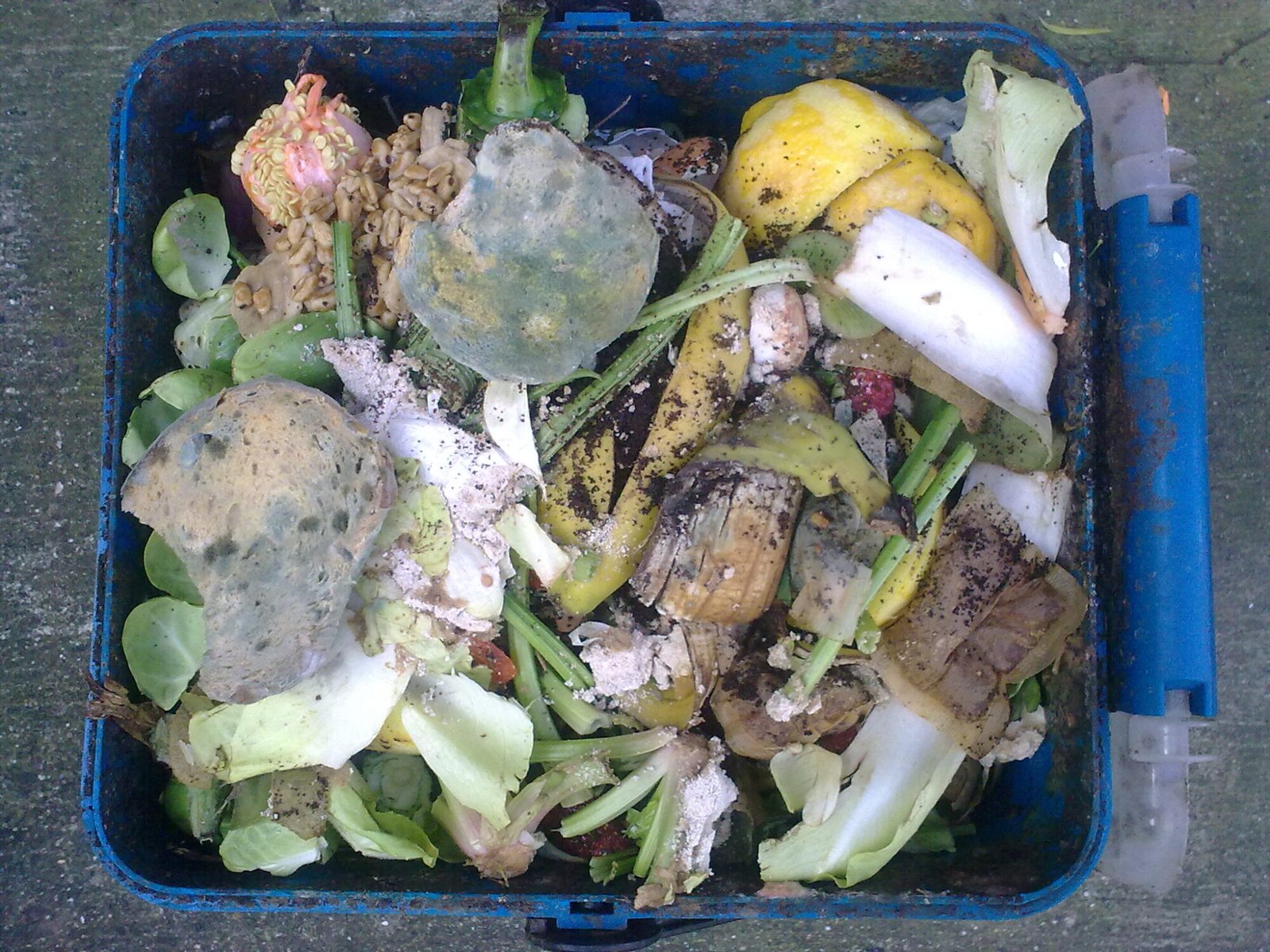
Food recognition analysis showed that Estonian participants wasted less food per meal than participants from Italy, Serbia, Croatia, and Romania. Nationality-specific patterns were also reported: Romanians mainly discarded meat and potatoes, participants from Estonia, Croatia, and Serbia wasted fruit and vegetables, and Italians most frequently wasted fish and dairy.
What to keep in mind
The summary does not describe limitations beyond the countries and age group studied. The findings are based on Generation Z participants from five European countries and should be read within that scope.
Key points
- The study examined food waste among 330 Generation Z participants aged 18-24 years.
- An extended Theory of Planned Behaviour predicted intentions to reduce food waste.
- Estonian participants wasted less food per meal than participants from the other four countries.
- Reported waste patterns differed by nationality and food type.
- The authors say the findings could inform targeted interventions for young consumers.
Disclosure
- Research title:
- Generation Z food waste varied across five European countries
- Authors:
- Neven Voća, Francesco Donsì, Mirela Alina Sandu, Viktoria Voronova, Jana Šic Žlabur, Giovanni De Feo, Ana Vîrsta, Marija Klõga, Jelena Lubura, Anamarija Peter, Gina Vasile Scăețeanu, Sanja Ostojić, Ivan Brandić, Gianpiero Pataro, Dario Balaban, Darko Micić, Jona Šurić, Saša Đurović, Alessandra Procentese, Lato Pezo
- Institutions:
- Institute of General and Physical Chemistry, Institute of General and Physical Chemistry, Institute of General and Physical Chemistry, Institute of General and Physical Chemistry, Peter the Great St. Petersburg Polytechnic University, Tallinn University of Technology, Tallinn University of Technology, University of Agronomic Sciences and Veterinary Medicine of Bucharest, University of Agronomic Sciences and Veterinary Medicine of Bucharest, University of Agronomic Sciences and Veterinary Medicine of Bucharest, University of Belgrade, University of Belgrade, University of Belgrade, University of Belgrade, University of Novi Sad, University of Novi Sad, University of Salerno, University of Salerno, University of Salerno, University of Salerno, University of Zagreb, University of Zagreb, University of Zagreb, University of Zagreb, University of Zagreb
- Publication date:
- 2026-02-13
- OpenAlex record:
- View
- Image credit:
- Nick Saltmarsh, Wikimedia Commons, CC BY 2.0
Get the weekly research newsletter
Stay current with scholarly research without reading academic papers — one filtered digest, every Friday.