What the study found
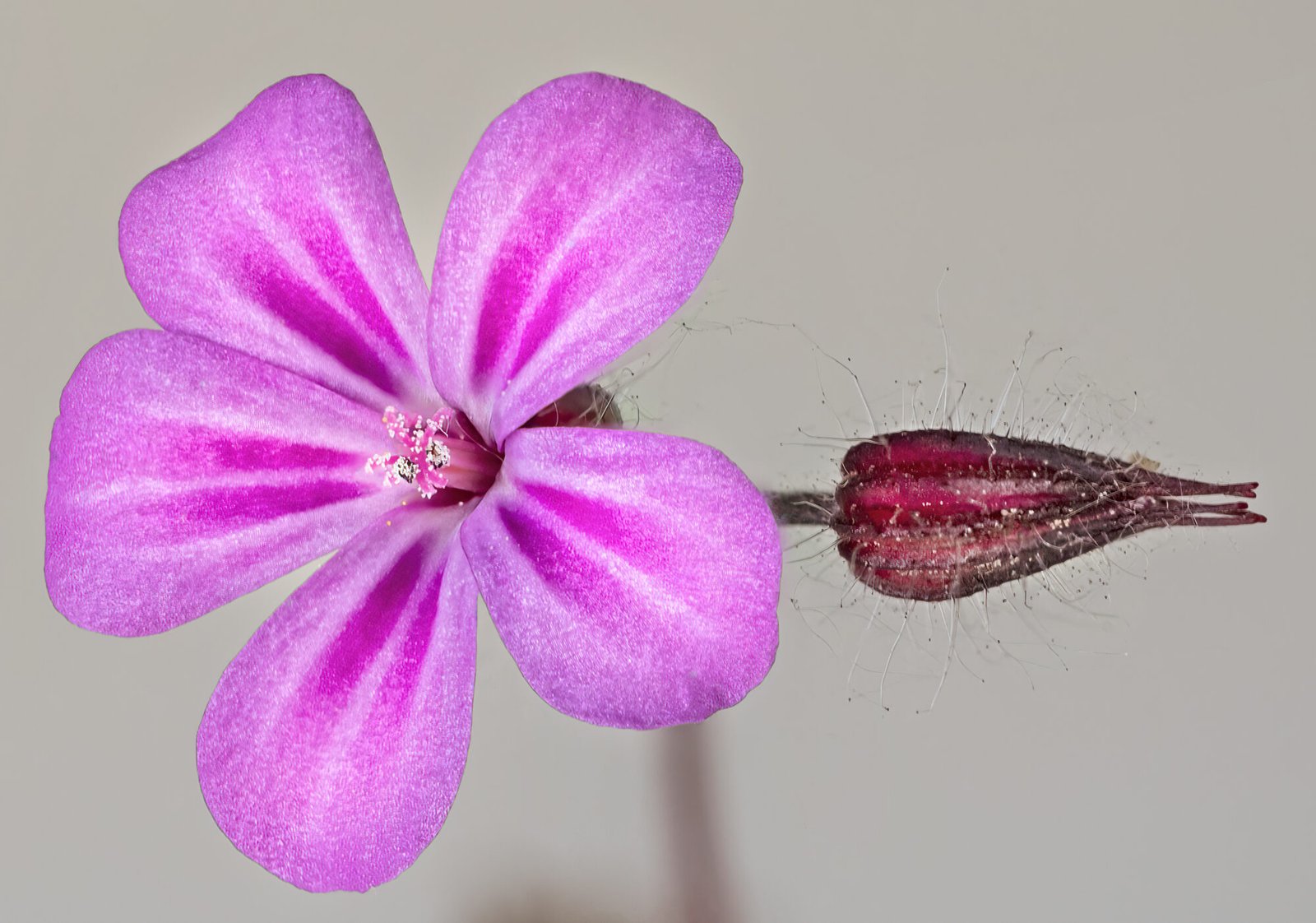
The study found that an ethanolic extract from the aerial parts of Geranium robertianum L. contained high levels of phenolic compounds and flavonoids, showed antioxidant and antibacterial activity, and reduced the growth of human salivary gland carcinoma cells. It also increased markers associated with oxidative stress and apoptosis, which is programmed cell death.
Why the authors say this matters
The authors say the plant remains understudied despite its use in traditional medicine and that it holds therapeutic potential. The study suggests the extract may be relevant because of its measured bioactivity against bacteria and A253 human salivary gland carcinoma cells.
What the researchers tested
The researchers analyzed an ethanolic extract made from the aerial parts of Geranium robertianum L. They measured phytochemical composition, antioxidant activity with DPPH, ABTS, and FRAP colorimetric assays, metal content, antibacterial activity, and effects on A253 human salivary gland carcinoma cells.
What worked and what didn't
The extract showed high phenolic and flavonoid content, and the ABTS assay indicated the highest antioxidant capacity among the tests used. It had moderate antibacterial activity against both Gram-positive and Gram-negative bacteria, with inhibition zones generally comparable to levofloxacin, but it was significantly less effective against P. aeruginosa. On A253 cells, it produced a dose-dependent antiproliferative effect, morphological changes, and increased ROS and caspase-3/7 and caspase-9 levels.
What to keep in mind
The abstract does not describe study limitations, and the findings are based on an extract tested in assays and on one cancer cell line. The summary also does not provide in vivo results or clinical testing.
Key points
- The extract contained high levels of phenolic compounds and flavonoids.
- ABTS showed the highest antioxidant capacity among the assays used.
- The extract had moderate antibacterial activity, but it was less effective against P. aeruginosa.
- In A253 human salivary gland carcinoma cells, the extract reduced cell growth in a dose-dependent way.
- The extract increased ROS and caspase-3/7 and caspase-9 levels.
Disclosure
- Research title:
- Geranium robertianum extract showed antioxidant, antibacterial, and antiproliferative activity
- Authors:
- Adina Feher, Adina Căta, DIANA HAJ ALI, Larisa Bora, Ioana Zinuca Magyari-Pavel, Ana-Maria Vlase, Ștefana Avram, Laurian Vlase, Diana Ungureanu, Ştefania Dinu, Daliana Minda, Cristina Adriana Dehelean, Mükerrem Betül Yerer, Corina Danciu, Ramona Amina Popovici
- Institutions:
- Erciyes University, Iuliu Hațieganu University of Medicine and Pharmacy, Iuliu Hațieganu University of Medicine and Pharmacy, National Institute of Research and Development for Electrochemistry and Condensed, Victor Babeș University of Medicine and Pharmacy Timișoara, Victor Babeș University of Medicine and Pharmacy Timișoara, Victor Babeș University of Medicine and Pharmacy Timișoara, Victor Babeș University of Medicine and Pharmacy Timișoara, Victor Babeș University of Medicine and Pharmacy Timișoara, Victor Babeș University of Medicine and Pharmacy Timișoara, Victor Babeș University of Medicine and Pharmacy Timișoara, Victor Babeș University of Medicine and Pharmacy Timișoara, Victor Babeș University of Medicine and Pharmacy Timișoara, Victor Babeș University of Medicine and Pharmacy Timișoara, Victor Babeș University of Medicine and Pharmacy Timișoara
- Publication date:
- 2026-02-27
- DOI:
- W7131778994
- OpenAlex record:
- View
- Image credit:
- Didier Descouens, Wikimedia Commons, CC BY-SA 4.0
Get the weekly research newsletter
Stay current with scholarly research without reading academic papers — one filtered digest, every Friday.