What the study found
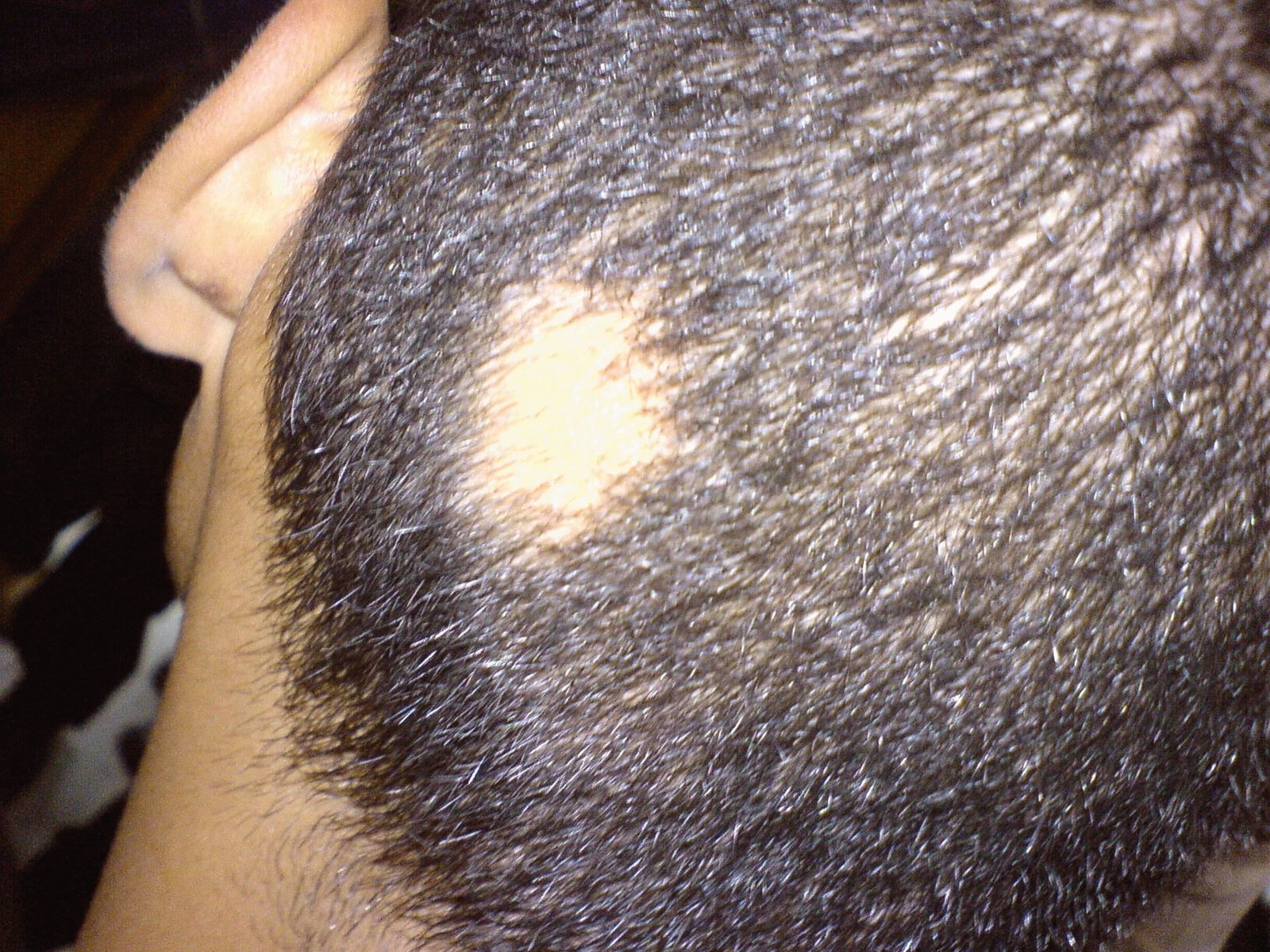
The report describes a 22-year-old woman with pulmonary tuberculosis who developed sudden, severe alopecia, meaning hair loss, after starting antituberculosis treatment. Isoniazid was stopped, her hair began to regrow within 1 month, and later testing showed that her tuberculosis was resistant to isoniazid alone.
Why the authors say this matters
The authors conclude that clinicians should watch for alopecia in young female patients receiving antituberculosis treatment, because it may lead to treatment interruption for cosmetic reasons. They also suggest that alopecia may signal underlying drug resistance, although they say more studies are needed to establish biological evidence for this association.
What the researchers tested
This was a case report of one patient. The researchers described the patient's tuberculosis treatment, the timing of hair loss, the decision to stop isoniazid, the return of hair growth, and the results of drug resistance testing.
What worked and what didn't
After isoniazid was discontinued, hair regrowth was observed within 1 month. Drug resistance testing then revealed isoniazid monoresistance, meaning resistance to isoniazid alone, and treatment continued with rifampicin, pyrazinamide, ethambutol, and moxifloxacin for 2 months, followed by rifampicin and ethambutol for 7 months.
What to keep in mind
This summary is based on a single case, so it cannot show how often this happens or prove a general cause-and-effect relationship. The abstract also states that further studies are needed to establish biological evidence for the suggested link between alopecia and drug resistance.
Key points
- A 22-year-old woman with pulmonary tuberculosis developed sudden, severe hair loss after starting treatment.
- Isoniazid was suspected, stopped, and hair regrowth was seen within 1 month.
- Testing later showed isoniazid monoresistance.
- The authors say alopecia may lead to treatment interruption for cosmetic reasons.
- The abstract says more studies are needed to confirm any biological link between alopecia and drug resistance.
Disclosure
- Research title:
- Isoniazid-related hair loss occurred with isoniazid monoresistant tuberculosis
- Authors:
- Emine Afşin, Şeref Özkara, Fatma Ceren Gökdemir
- Institutions:
- Ankara Atatürk Eğitim ve Araştırma Hastanesi, Bolu Abant İzzet Baysal University, Bolu Abant İzzet Baysal University, Education Training And Research
- Publication date:
- 2026-01-31
- OpenAlex record:
- View
- Image credit:
- Abbassyma at English Wikipedia, Wikimedia Commons, Public domain
Get the weekly research newsletter
Stay current with scholarly research without reading academic papers — one filtered digest, every Friday.