What the study found
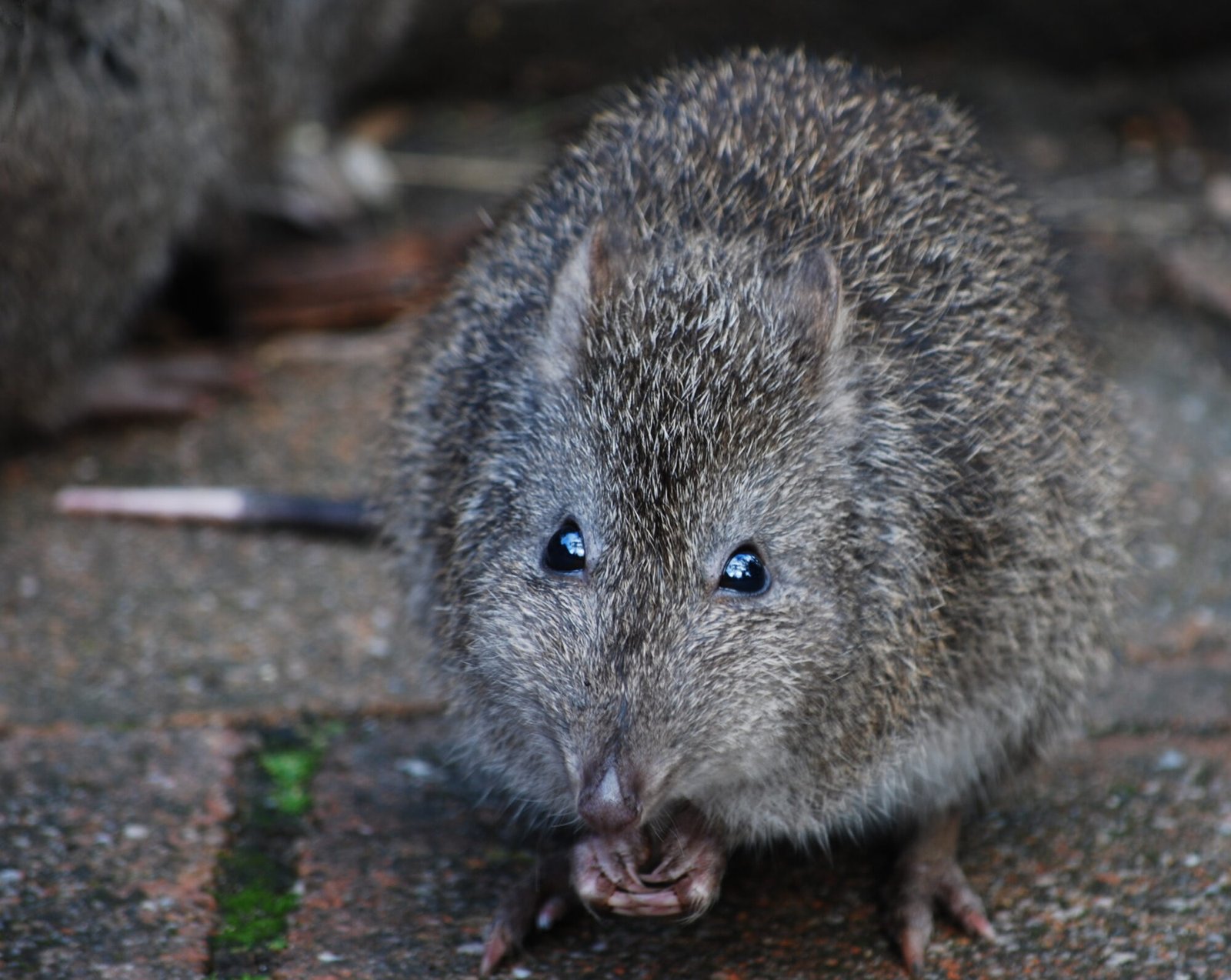
The study found that the long-nosed potoroo in Victoria has contrasting status in different landscapes, with some populations flourishing and others close to local extinction. The authors report that declines are linked to interactive effects of fire regimes, invasive predators, habitat loss, and climate change.
Why the authors say this matters
The authors say this matters because digging mammals play key roles in ecosystem processes such as soil turnover, seed germination, and dispersal of fungal spores linked with forest health and productivity. They conclude that protecting suitable habitat and using more strategic conservation actions are important for species persistence and resilience in the face of climate change.
What the researchers tested
The researchers used evidence across different bioregions in Victoria to compare long-nosed potoroo populations in flourishing areas with those near local extinction. They focused on the species' contrasting status, conservation value, and the challenges involved in managing it across diverse landscapes.
What worked and what didn't
The abstract says that suitable habitat can help the species evade invasive predators, suggesting habitat protection is important. It also identifies predator management, short-range translocations, and improved fire management and prevention strategies as future directions, but it does not provide detailed outcome data for these approaches in the abstract.
What to keep in mind
The summary is broad and does not give detailed methods, sample sizes, or quantitative results. It also does not describe specific limitations beyond noting that the species faces interacting pressures across changing landscapes.
Key points
- Long-nosed potoroo populations in Victoria differ sharply by landscape, from flourishing to near local extinction.
- The abstract links declines to fire regimes, invasive predators, habitat loss, and climate change.
- Digging mammals are described as important for soil turnover, seed germination, and fungal spore dispersal.
- Protecting suitable habitat is described as helping the species evade invasive predators.
- The authors call for predator management, short-range translocations, and improved fire management and prevention.
Disclosure
- Research title:
- Long-nosed potoroo declines are linked to fire, predators, and habitat loss
- Authors:
- Meg Farmer, Amy Coetsee, Luke Lupone, Mark Le, Anthony R. Rendall
- Institutions:
- Deakin University, Deakin University, Deakin University, The University of Melbourne, Zoos Victoria, Zoos Victoria
- Publication date:
- 2026-04-07
- DOI:
- 10.1071/rs25007
- OpenAlex record:
- View
- Image credit:
- Peripitus, Wikimedia Commons, CC BY-SA 3.0
Get the weekly research newsletter
Stay current with scholarly research without reading academic papers — one filtered digest, every Friday.