Blog

  • Review finds SVM and Random Forest perform best in software fault prediction

    What the study found

    The review found that Support Vector Machine and Random Forest were the strongest methods among the studies it examined, based on accuracy, precision, recall, and F1-score. It also found that public datasets, especially PROMISE and NASA Metric Data Program data, were widely used.

    Why the authors say this matters

    The authors say the review is meant to advance research in software fault prediction and support the development of high-quality software products by improving defect predictability. They also state that it provides a recent overview of the literature for researchers.

    What the researchers tested

    The authors reviewed 45 articles published between 2023 and 2025 from IEEE, Springer, ACM, and ScienceDirect. The review covered factors affecting software fault prediction, prediction techniques, datasets and software metrics, evaluation metrics, model selection criteria, and current challenges.

    What worked and what didn't

    Across the reviewed studies, Support Vector Machine and Random Forest had better reported performance than other methods on the metrics mentioned in the abstract. The abstract also says that using public datasets, particularly PROMISE and NASA Metric Data Program repositories, was common and contributed to improved model performance.

    What to keep in mind

    This is a review of published studies, not a new fault-prediction experiment. The abstract does not describe detailed limitations beyond noting that current solutions still face challenges.

    • The review covered 45 articles published from 2023 to 2025.
    • Support Vector Machine and Random Forest were reported as the top-performing methods.
    • PROMISE and NASA Metric Data Program datasets were widely used.
    • The review included factors, techniques, datasets, metrics, model selection criteria, and challenges.
    • The authors say the review supports research and software quality improvement.
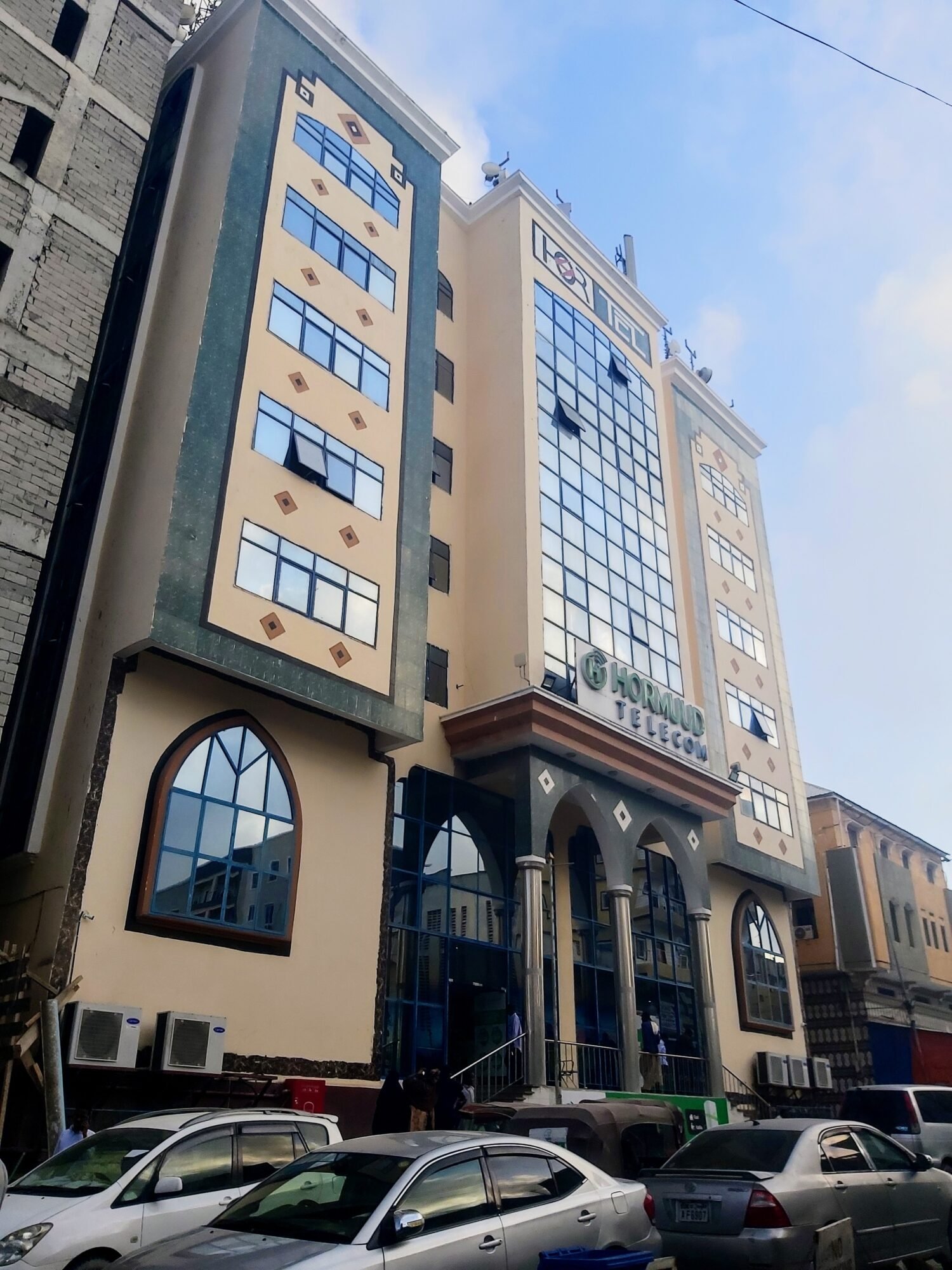
  • Telecom companies shape urban land speculation in Mogadishu

    Telecom companies shape urban land speculation in Mogadishu

    What the study found

    The study finds that telecommunications companies in Mogadishu now play a central role in urban speculation, beyond their traditional communications work. The authors describe these companies as helping shape both the ideas and the material development of new urban land projects, especially Darul Salaam, a new city for diaspora and local elites.

    Why the authors say this matters

    The authors suggest that telecoms are doing both market-making and world-making, meaning they are helping create the conditions and visions for new urban development. They also conclude that their role in Mogadishu shows why telecoms across Africa deserve closer empirical and conceptual attention in urban processes.

    What the researchers tested

    The researchers examined the role of telecom companies in urban land development in Mogadishu during a period of state rebuilding after the collapse of the Somali state in the 1990s. They focused on Hormuud Telecommunications Company and affiliated companies involved in financing, construction, technical training, electricity provision, and transnational money transfer.

    What worked and what didn't

    The paper says telecoms are involved in generating imaginaries for the city's future and also take material and laborious steps to produce those futures. This is presented as especially visible in Darul Salaam, where diaspora capital is being enrolled into urban development. The abstract does not describe what did not work.

    What to keep in mind

    The article focuses on Somalia and specifically on Mogadishu, so its findings are tied to that context. The abstract does not give detailed limitations beyond noting that the wider relevance of telecoms in African cities needs further empirical and conceptual engagement.

    • Telecom companies are described as central actors in urban speculation in Mogadishu.
    • Hormuud and affiliated firms are linked to financing, construction, training, electricity, and money transfer.
    • The new city Darul Salaam is presented as a key example of these developments.
    • The authors describe telecoms as doing both market-making and world-making.
    • The abstract says telecoms across Africa are growing in wealth and scope.
  • Low-energy electrons selectively cleave DNA bonds in films

    What the study found

    The study found that low-energy electrons (LEEs) caused selective, energy-dependent bond cleavage in DNA films made from Tris-EDTA (TE) buffered solutions. The effects were seen in x-ray photoelectron spectroscopy (XPS), which is a technique that measures how electrons are bound in a material.

    Why the authors say this matters

    The authors conclude that the findings contribute to a deeper mechanistic understanding of LEE-induced biomolecular damage. They also say the results support the development of LEE-based cancer radiotherapy.

    What the researchers tested

    The researchers exposed DNA films to electrons with energies of 9.2, 4.2, and 0.2 eV for up to 8 hours. They then used XPS to examine changes in the C 1s, N 1s, O 1s, and P 2p spectra.

    What worked and what didn't

    At 9.2 and 4.2 eV, irradiation significantly induced cleavage of C-N bonds in N-glycosidic linkages and C-O bonds in the sugar-phosphate backbone. The selective cleavage may lead to apurinic/apyrimidinic sites and damage to the sugar-phosphate backbone and sugar moiety, while phosphate groups within the backbone remained relatively stable. At 0.2 eV, the study reports no significant spectral or compositional changes.

    What to keep in mind

    The abstract does not describe detailed experimental limitations beyond the energy range and exposure time studied. It also notes that TE components remained chemically stable during irradiation, although the results suggest they may help increase the yield of selective DNA damage.

    • Low-energy electrons caused selective bond cleavage in DNA films from Tris-EDTA buffered solution.
    • The strongest effects were reported at 9.2 eV and 4.2 eV, not at 0.2 eV.
    • C-N bonds in N-glycosidic linkages and C-O bonds in the sugar-phosphate backbone were significantly affected.
    • Phosphate groups within the DNA backbone remained relatively stable.
    • The authors say the findings may help explain LEE-induced biomolecular damage and support cancer radiotherapy development.
  • Carbon textile reinforcement improved an aged cracked bridge slab-beam

    What the study found

    The study found that carbon textile-reinforced concrete (TRC, a concrete layer reinforced with carbon textile) improved the flexural performance of an aged, pre-cracked reinforced concrete bridge slab-beam. The strengthened beam showed higher flexural capacity and better crack control than the unstrengthened specimen.

    Why the authors say this matters

    The authors suggest the findings are relevant because they show TRC can be used to rehabilitate deteriorated bridge members under sustained service load, which is a repair condition intended to reflect in-service use. They conclude that the results support TRC as a way to restore and enhance flexural performance in aged bridge elements.

    What the researchers tested

    The researchers studied a 30-year-old reinforced concrete slab-beam taken from the Ben Cho Bridge that already had flexural cracks. They used both experiments and finite element simulations with ATENA to assess strengthening with carbon TRC while keeping the beam under sustained load during repair.

    What worked and what didn't

    TRC strengthened the beam, with a 24.8% increase in flexural capacity compared with the unstrengthened specimen. Crack widths and spacing were reduced to about one-third to one-half of those in the control beam, and the simulations closely matched the load-deflection response and predicted ultimate loads within 2.5% to 3.5% deviation. The abstract does not report any major strengthening failure, but it does note that carbon textiles exceeded the 12‰ design limit specified in ACI 549.4 R-20.

    What to keep in mind

    The summary describes one extracted bridge slab-beam, so the findings may be limited to this specific aged member and test setup. The abstract does not describe broader field validation, durability over time, or additional limitations beyond the single case studied.

    • A 30-year-old pre-cracked bridge slab-beam was strengthened with carbon textile-reinforced concrete.
    • The strengthened beam achieved a 24.8% increase in flexural capacity versus the unstrengthened specimen.
    • Crack widths and spacing were reduced to roughly one-third to one-half of the control beam's values.
    • Finite element simulations in ATENA predicted ultimate loads within 2.5% to 3.5% of the experiments.
    • Carbon textiles exceeded the 12‰ design limit stated in ACI 549.4 R-20.
  • Healthier lifestyles were linked to more TCIM use in Brazil

    What the study found

    People with healthier lifestyle profiles were more likely to report using traditional, complementary and integrative medicine (TCIM), such as acupuncture, homeopathy, medicinal plants, and phytotherapy. The study also found that all three lifestyle profiles had a high prevalence of sedentary behavior.

    Why the authors say this matters

    The authors suggest that TCIM use may reflect broader health-oriented behavior patterns. They conclude that this supports considering these approaches in public health planning.

    What the researchers tested

    The researchers did a secondary analysis of data from the 2019 Brazilian National Health Survey. They grouped physical activity, sedentary behavior, and diet into lifestyle profiles using two-step cluster analysis, and they assessed TCIM use by self-report. They then used logistic regression to examine the association between lifestyle profiles and TCIM adoption.

    What worked and what didn't

    Three lifestyle profiles were identified among 90,814 people aged over 15 years. Compared with the least healthy profile, people in healthier lifestyle profiles were significantly more likely to report TCIM use, with an adjusted odds ratio of 1.55 (95% CI 1.34–1.81). The abstract says all profiles showed high sedentary behavior, and it notes that the at-risk group made up about 25% of the sample and had poor diet, low physical activity, and high screen time.

    What to keep in mind

    This was an observational secondary analysis, so the abstract does not describe causal effects. TCIM use was self-reported, and the summary does not provide additional limitations beyond the sample being from Brazil's 2019 national survey.

    • Healthier lifestyle profiles were associated with higher TCIM adoption.
    • All three lifestyle profiles showed high sedentary behavior.
    • TCIM examples in the study included acupuncture, homeopathy, medicinal plants, and phytotherapy.
    • The analysis included 90,814 people aged over 15 years from the 2019 Brazilian National Health Survey.
    • The at-risk group was about 25% of the sample and had poor diet, low physical activity, and high screen time.
  • Vertical flows are detected in most protoplanetary disks

    What the study found

    The study found vertical gas motions in most of the 14 protoplanetary disks it examined. The detected patterns included oscillatory up-and-down flows, which the authors link to instabilities, and transitions from downward to upward motion, which they interpret as the bases of disk winds.

    Why the authors say this matters

    The authors say these vertical gas flows are important because they are natural outcomes of protoplanetary disk processes and play a critical role in the earliest stages of planet formation. They also conclude that deep, high-spectral-resolution line data can reveal vertical flows that are otherwise difficult to identify.

    What the researchers tested

    The researchers analyzed 14 disks in the exoALMA Large Program using the 12 CO J = 3–2 and 13 CO J = 3–2 emission lines. They modeled the Keplerian velocity field, which is the expected circular orbital motion in a disk, with discminer, then extracted line-of-sight velocity residuals to measure radial and vertical gas motion.

    What worked and what didn't

    Vertical motions were detected in most disks, and in most cases the velocity amplitudes were only a few tens of m s−1. Two disks, MWC758 and CQ Tau, showed two spiral velocity features that the authors interpret as vertical velocities reaching up to about 350 m s−1, and fast upward motions up to 500 m s−1 were also detected in the outer disk of MWC758.

    What to keep in mind

    The authors note that strong molecular winds appear to be relatively rare in 12 CO and 13 CO. They also report that the overall velocity structure is highly complex, which prevents identifying one dominant physical mechanism across all disks, and they say further theoretical investigation is needed.

    • Vertical gas motions were found in most of the 14 disks studied.
    • Two recurring patterns were identified: oscillatory up/down flows and downward-to-upward transitions.
    • Most measured velocities were only a few tens of m s−1.
    • MWC758 and CQ Tau showed spiral velocity features interpreted as much faster vertical motion.
    • Synthetic observations from magnetohydrodynamic simulations supported the method’s reliability.
    • The authors say the disks’ complex velocity structure prevents a single dominant mechanism from being identified.
  • Pre-course aptitude test predicted introductory programming performance

    What the study found

    The study found that a pre-course aptitude test had some ability to predict first-year computer science students’ performance on an introductory programming assessment. The authors report that a Random Forest Regressor performed more consistently than a Random Forest Classifier, though there was still a sizeable margin of error.

    Why the authors say this matters

    The authors suggest that early identification of students who may struggle with programming could help direct additional support from the outset. They also conclude that their approach offers a foundation for future targeted support interventions in introductory programming modules.

    What the researchers tested

    The researchers studied 285 first-year computer science undergraduates and developed a pre-course aptitude test. The test collected information on students’ backgrounds, prior experience, perceived confidence, and likelihood of holding appropriate mental models, meaning internal understandings, of core programming concepts. They used the resulting data to train and validate regression and classification models, including Random Forest models refined with Sequential Feature Selection and tested on a holdout set.

    What worked and what didn't

    The Random Forest Classifier performed well during training, with AUC = 0.8688, F1 = 0.8353, and accuracy = 0.7450, but performance dropped on the hold-out test set to AUC = 0.7670, F1 = 0.7020, and accuracy = 0.7020. The authors interpret this as moderate overfitting, likely linked to class imbalance and limited data. The Random Forest Regressor showed similar performance in training and testing, with RMSE = 0.1616 and MAE = 0.1209 in training, and RMSE = 0.1713 and MAE = 0.1396 in testing.

    What to keep in mind

    The abstract says there is still a sizeable margin of error, so the predictions are not highly precise. It also notes possible overfitting in the classifier because of imbalanced classes and limited data. Other limitations are not described in the available summary.

    • A pre-course aptitude test was used to predict first introductory programming assessment results.
    • The study involved 285 first-year computer science students.
    • The aptitude test included background, prior experience, confidence, and mental-model measures.
    • The Random Forest Classifier overfit somewhat when moved from training to the hold-out test set.
    • The Random Forest Regressor was more consistent across training and testing.
    • The authors say the approach may help identify students needing extra support early.
  • Pregnancy-associated SCAD showed a higher-risk clinical pattern

    What the study found

    Women with pregnancy-associated spontaneous coronary artery dissection, or P-SCAD, had several reproductive and clinical differences compared with women whose SCAD was not associated with pregnancy. The study found higher use of assisted reproductive technology, more preeclampsia, and a more severe heart event pattern in the P-SCAD group.

    Why the authors say this matters

    The authors conclude that women with P-SCAD represent a higher-risk phenotype and that these findings add reproductive health information to a condition where such data have been limited. They also note that the results are relevant because the cohort had high rates of vascular imaging and showed differences in heart recovery after the event.

    What the researchers tested

    The researchers used data from the iSCAD Registry, a large multicenter registry, and compared women with P-SCAD to women with non-pregnancy-associated SCAD, or NP-SCAD, from 2019 to 2024. They analyzed survey-based clinical and reproductive history, along with investigator-confirmed clinical and imaging data, and compared groups using Kruskal-Wallis and chi-square tests.

    What worked and what didn't

    Among 907 women with SCAD and at least one pregnancy, 98 had P-SCAD. Compared with NP-SCAD, the P-SCAD group had lower fibromuscular dysplasia, similar rates of extracoronary abnormalities, more assisted reproductive technology use, more multigravida with more than five gestations, and more preeclampsia. They also had more severe SCAD features, including more STEMI, more multivessel segment involvement, lower left ventricular ejection fraction, and less recovery of left ventricular ejection fraction by one year; most women in both groups were managed medically.

    What to keep in mind

    This summary is based on a registry cohort and comparisons with both NP-SCAD and general U.S. reproductive-aged population rates. The abstract does not describe all potential limitations, and some comparisons involved smaller numbers within subgroups, such as the left ventricular ejection fraction analyses.

    • 98 of 907 women with prior pregnancies had pregnancy-associated SCAD.
    • P-SCAD was linked with higher use of assisted reproductive technology and more preeclampsia.
    • Women with P-SCAD had lower rates of fibromuscular dysplasia than women with NP-SCAD.
    • P-SCAD was associated with more severe heart-event features, including STEMI and multivessel involvement.
    • Left ventricular ejection fraction recovery by 1 year was less in the P-SCAD group.
  • Virtual learning circles supported culturally grounded school suicide prevention

    What the study found

    Participants in virtual PC CARES sessions actively discussed ways to support student wellbeing and suicide prevention in rural Alaska school settings. Their discussions focused on culturally grounded actions, trusted relationships, and small acts of kindness as protective factors.

    Why the authors say this matters

    The authors conclude that PC CARES may serve as a strengths-based, culturally relevant platform for school-based suicide prevention. They also say the findings highlight the need for institutional support to sustain these efforts.

    What the researchers tested

    The researchers used qualitative data from virtual PC CARES sessions delivered with three rural Alaskan school districts from 2020 to 2022. Participants included school staff, administrators, and behavioral health professionals, and notes and written responses from seven online facilitated sessions were deductively analyzed for themes.

    What worked and what didn't

    Across 28 sessions totaling 56 hours over two academic years, participants discussed integrating Alaska Native Elders into school activities, modeling healthy behaviors, creating space for youth expression, and incorporating cultural identity into programming. They also noted institutional challenges, including inconsistent policies and limited resources.

    What to keep in mind

    The abstract does not report student-level outcomes or long-term sustainability results. It also does not describe a comparison group, so the findings reflect participant perceptions and thematic analysis from the sessions.

    • Participants discussed culturally grounded actions for school-based suicide prevention in rural Alaska.
    • Trusted relationships and small acts of kindness were described as protective factors for youth.
    • Institutional challenges included inconsistent policies and limited resources.
    • The study analyzed notes and written responses from seven virtual facilitated sessions.
    • The authors say PC CARES may be a strengths-based, culturally relevant platform.
  • TyG-BMI and CRP were linked to isolated nocturnal hypertension

    What the study found

    The study found that people with isolated nocturnal hypertension had higher triglyceride–glucose index, triglyceride–glucose–body mass index, atherogenic index of plasma, and C-reactive protein levels than normotensive controls. The authors report that triglyceride–glucose–body mass index and C-reactive protein were independently associated with this blood pressure pattern.

    Why the authors say this matters

    The study suggests that simple, routinely available clinical markers may help identify isolated nocturnal hypertension, which the authors describe as an underrecognized blood pressure phenotype associated with greater cardiovascular risk despite normal daytime blood pressure. The findings indicate that metabolic and inflammatory markers could be useful in detecting people at increased risk for this condition.

    What the researchers tested

    The researchers did a retrospective observational study at a single institution. They reviewed 241 people who had 24-hour ambulatory blood pressure monitoring between March 2024 and March 2025, defining isolated nocturnal hypertension as daytime blood pressure below 135/85 mmHg and nighttime blood pressure of at least 120/70 mmHg.

    What worked and what didn't

    Compared with controls, the isolated nocturnal hypertension group had significantly higher triglyceride–glucose index, triglyceride–glucose–body mass index, atherogenic index of plasma, and C-reactive protein levels. In multivariate logistic regression, triglyceride–glucose–body mass index and C-reactive protein remained independently associated with isolated nocturnal hypertension, and receiver operating characteristic analysis showed moderate discrimination for triglyceride–glucose–body mass index and high discrimination for C-reactive protein.

    What to keep in mind

    The study was retrospective, observational, and conducted at a single institution, so the abstract does not show that the markers cause isolated nocturnal hypertension. The available summary does not describe other limitations beyond the study design and setting.

    • People with isolated nocturnal hypertension had higher TyG index, TyG-BMI, AIP, and CRP than controls.
    • TyG-BMI and CRP were independently associated with isolated nocturnal hypertension.
    • CRP showed high discriminatory performance in ROC analysis, while TyG-BMI showed moderate performance.
    • The study used 24-hour ambulatory blood pressure monitoring to define isolated nocturnal hypertension.
    • The authors describe isolated nocturnal hypertension as an underrecognized phenotype linked to higher cardiovascular risk.