What the study found
The study found that monthly temperature was associated with differences in activity budgets among age-sex classes of Rhinopithecus bieti, a black-and-white snub-nosed monkey. Differences in diet across age-sex classes were not significant, and the authors report that activity changed more than diet across colder and warmer months.
Why the authors say this matters
The authors suggest that intra-annual variation in temperature may amplify the different physiological demands of age-sex classes, leading to larger changes in activity patterns than in diet composition. The study indicates this may help explain how Asian colobines respond to climate shifts within a year.
What the researchers tested
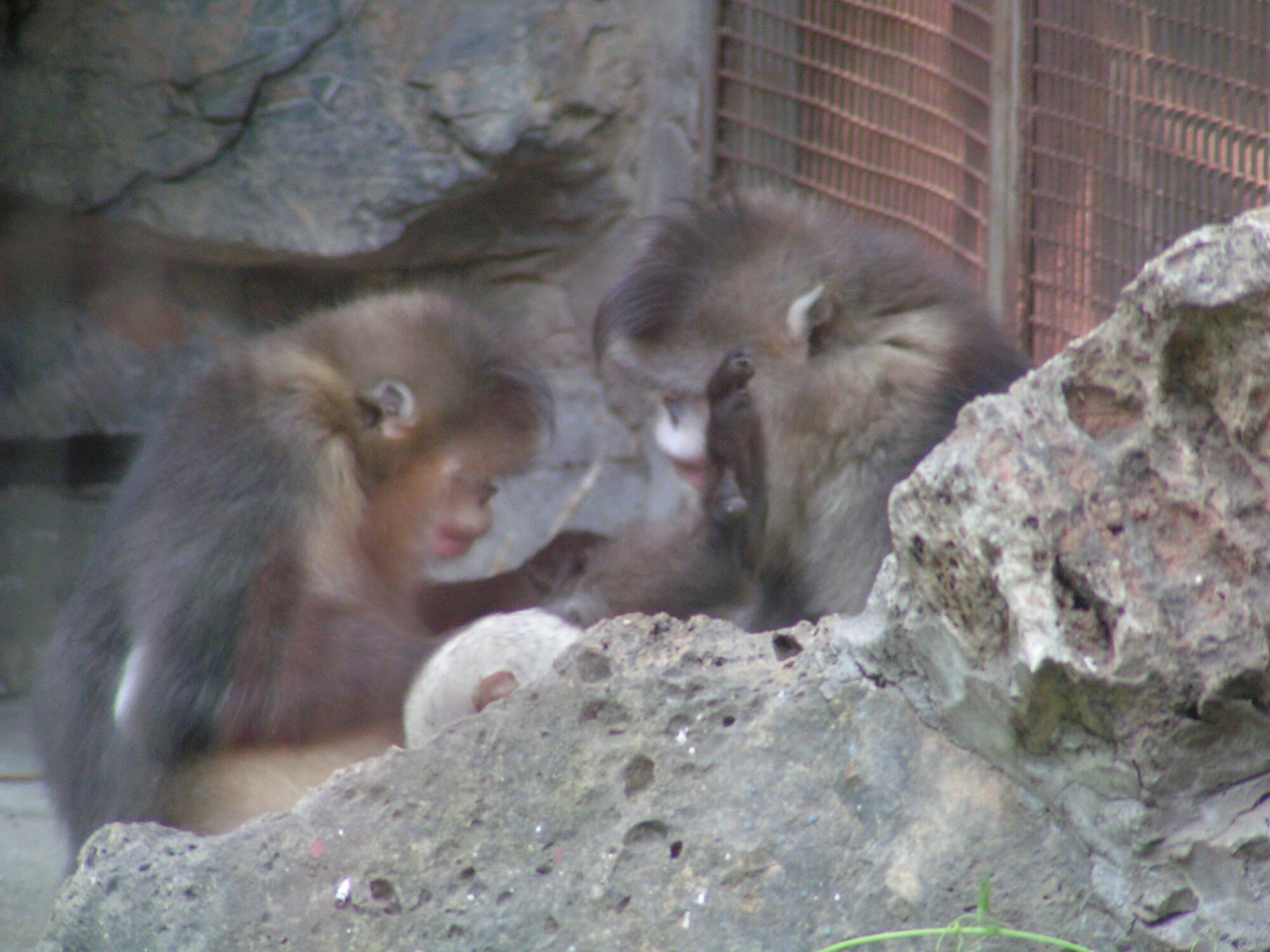
The researchers studied an isolated population of black-and-white snub-nosed monkeys at Mount Lasha in the Yunling Provincial Nature Reserve, Yunnan, China. They used instantaneous and scan sampling over 32 months, from May 2008 to August 2016, to examine associations between temperature, activity budgets, and diets among and within age-sex classes.
What worked and what didn't
Adult females spent more time feeding, juveniles spent more time moving and less time resting, and adult males spent less time moving and more time resting than other age-sex classes. The population as a whole spent more time feeding and less time moving and resting in colder months than in warmer months, but the temperature-related effects within age-sex classes were detected for moving and resting, not feeding. The population also spent more time feeding on lichen in colder months than in warmer months, while diet remained stable across age-sex classes.
What to keep in mind
The abstract does not describe specific limitations beyond focusing on one isolated population at one site. It also does not provide effect sizes, statistical details, or information about whether the findings apply to other populations or species.
Key points
- Monthly temperature was associated with changes in activity patterns in Rhinopithecus bieti.
- Diet did not vary significantly across age-sex classes.
- Adult females fed more, juveniles moved more and rested less, and adult males moved less and rested more than others.
- Colder months were linked to more feeding and less moving and resting at the population level.
- Feeding on lichen increased in colder months, even though diet stayed stable across age-sex classes.
Disclosure
- Research title:
- Temperature shaped activity more than diet in snub-nosed monkeys
- Authors:
- Jacob B. Kraus, Zhi Pang Huang, Yanpeng Li, Liang Wei Cui, Shuang Jin Wang, Jin Fa Li, Feng Liu, Yun Wang, Karen B. Strier, Wen Xiao
- Institutions:
- Dali University, Dali University, Dali University, Dali University, Dali University, Dali University, Fanjingshan National Nature Reserve, Jiangxi Province Forestry Survey Planning Institute, Research Institute of Forestry, Southwest Forestry University, Southwest Forestry University, University of Wisconsin–Madison, Washington and Lee University, Yuxi Normal University
- Publication date:
- 2026-03-10
- OpenAlex record:
- View
- Image credit:
- Dreline, Wikimedia Commons, CC BY-SA 3.0
Get the weekly research newsletter
Stay current with scholarly research without reading academic papers — one filtered digest, every Friday.