What the study found
The study found that tick bite and Debilitating Symptom Complexes Attributed to Ticks (DSCATT) were associated with changes in circulating host microRNAs, which are small molecules that help regulate gene expression. The authors also identified a five-microRNA signature that classified acute tick bite with 86% accuracy.
Why the authors say this matters
The authors conclude that these findings highlight potential biomarkers and possible mechanisms underlying chronic symptom development. The study suggests this may help explain host responses to tick bite and DSCATT.
What the researchers tested
The researchers profiled circulating host-encoded microRNAs in two cohorts: a longitudinal cohort followed after tick bite for up to 12 months, and a retrospective cohort with DSCATT. They used differential expression analysis, temporal clustering, predicted target pathway analysis, and machine learning.
What worked and what didn't
In the longitudinal cohort, tick bite was associated with 149 microRNAs that varied significantly over 12 months. In the DSCATT cohort, 98 microRNAs were differentially expressed, with overlap between DSCATT and acute tick bite microRNAs; four microRNAs also correlated with symptom severity, including fatigue and dizziness. The five-microRNA classifier identified acute tick bite with 86% accuracy and a receiver operating characteristic area under the curve of 0.92.
What to keep in mind
The abstract does not describe study limitations in detail. It also states that the biological mechanisms remain unclear, so the findings are about associations and candidate biomarkers rather than established causes.
Key points
- Tick bite was associated with widespread changes in circulating host microRNAs over 12 months.
- DSCATT patients showed 98 differentially expressed microRNAs.
- Four microRNAs correlated with symptom severity, including fatigue and dizziness.
- A five-microRNA signature classified acute tick bite with 86% accuracy and ROC AUC of 0.92.
- Predicted target pathways were enriched for immune modulation, tissue remodelling, and cellular stress responses.
Disclosure
- Research title:
- Tick bite and DSCATT are linked to distinct circulating miRNA changes
- Authors:
- Ryan J. Farr, Carlos H. M. Rodrigues, Siobhon Egan, Jenny Su, Amanda D. Barbosa, Michelle Long, Jill Austen, Won Suk Lee, Alexander W. Gofton, Andrew Ratchford, Brian Burns, Miles Beaman, Allen C. Cheng, Helen M. Faddy, Justine O’Donovan, Roy Hall, Marjorie Collins, Una M. Ryan, John Stenos, Stephen Graves, Charlotte L. Oskam, Peter J. Irwin, Cameron R. Stewart
- Institutions:
- Australian Centre for Disease Preparedness, Australian Centre for Disease Preparedness, Australian Centre for Disease Preparedness, Australian Centre for Disease Preparedness, Australian Red Cross Lifeblood, Australian Red Cross Lifeblood, Coordenação de Aperfeicoamento de Pessoal de Nível Superior, CSIRO Health and Biosecurity, CSIRO Health and Biosecurity, CSIRO Health and Biosecurity, CSIRO Health and Biosecurity, CSIRO Health and Biosecurity, Geelong Hospital, Geelong Hospital, Geelong Hospital, Global Virus Network, Macquarie University, Ministry of Education, Monash Health, Monash University, Murdoch University, Murdoch University, Murdoch University, Murdoch University, Murdoch University, Murdoch University, Murdoch University, Murdoch University, Northern Hospital, Northern Hospital, Northern Sydney Local Health District, Northern Sydney Local Health District, Pathwest Laboratory Medicine, Scarborough General Hospital, The Kids Research Institute Australia, The University of Notre Dame Australia, The University of Queensland, The University of Sydney, The University of Western Australia, University of the Sunshine Coast
- Publication date:
- 2026-06-30
- OpenAlex record:
- View
- Image credit:
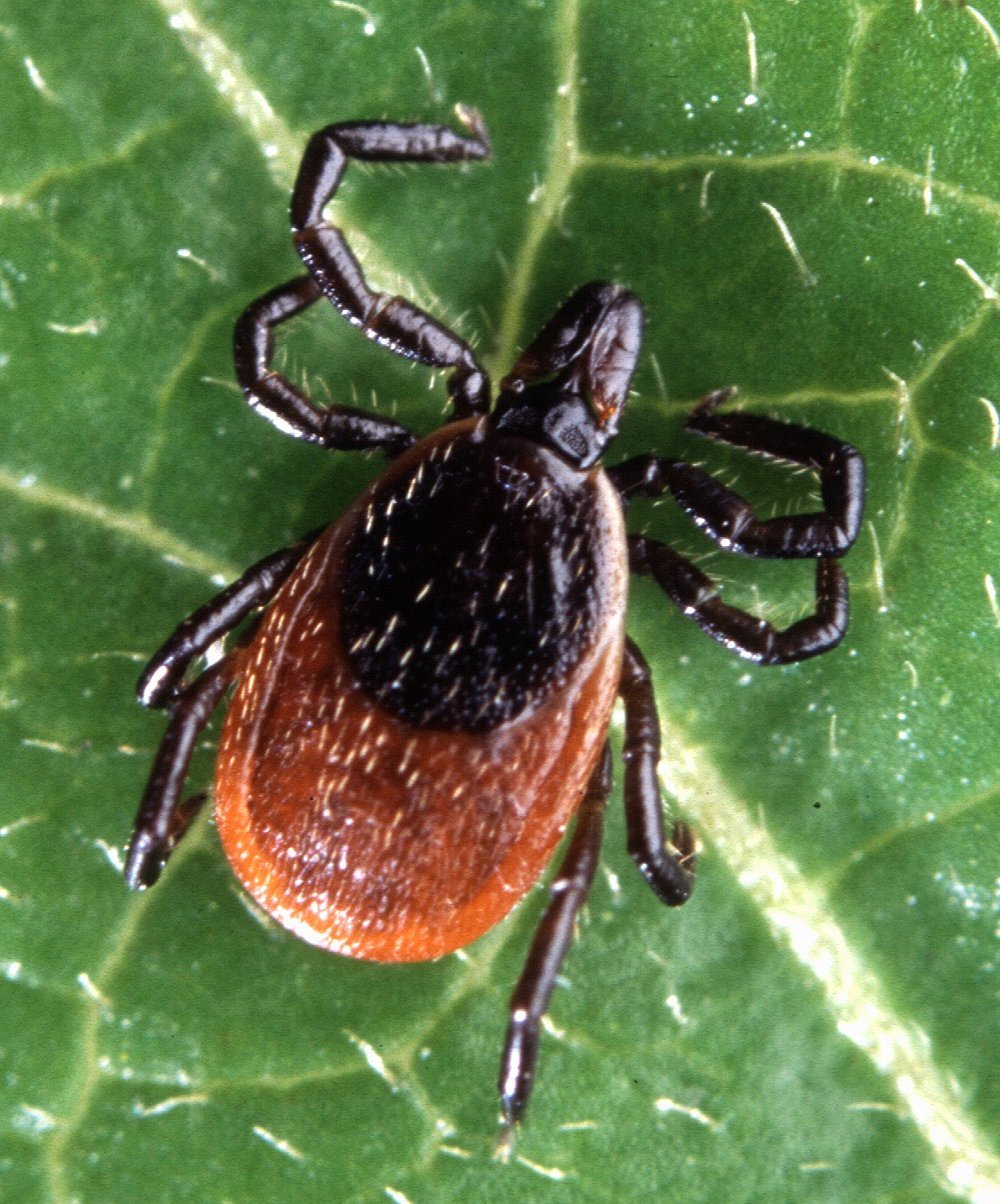
- Photo by Scott Bauer. (USDA ARS), Wikimedia Commons, Public domain
Get the weekly research newsletter
Stay current with scholarly research without reading academic papers — one filtered digest, every Friday.