What the study found
The study found that Indian crested porcupines in Punjab varied in density and behavior across habitats and seasons. It also found year-round reproduction and family-based parental care, with both sexes often caring for young together.
Why the authors say this matters
The authors conclude that the findings show the influence of seasonal and social factors on porcupine behavior. They also suggest the species is adaptable to diverse ecological conditions and that parental care in porcupine families is collaborative.
What the researchers tested
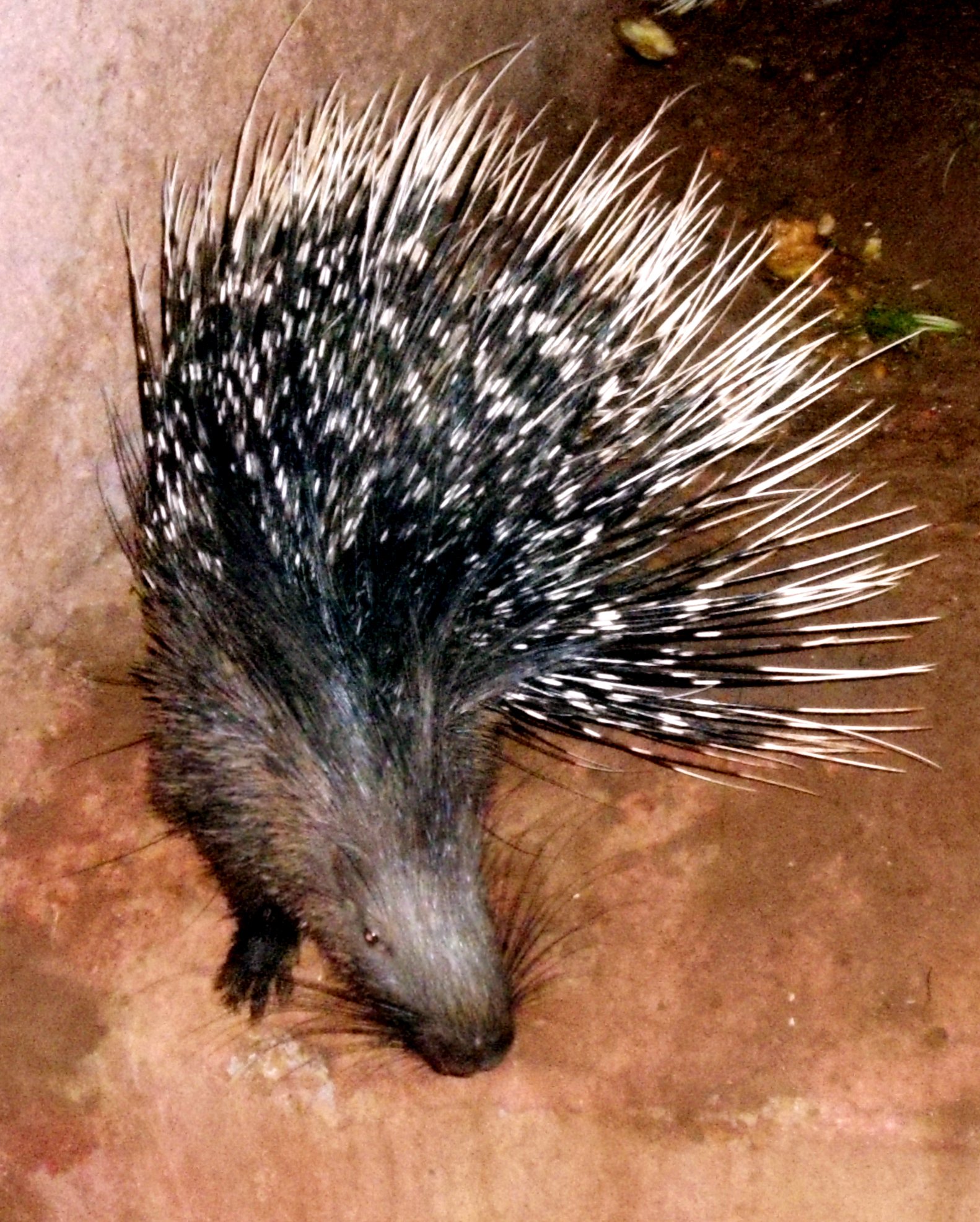
The researchers studied Indian crested porcupines, a rodent species, across diverse habitats in Punjab, Pakistan, from 2019 to 2021. They examined population density, spatial and temporal distribution, courtship behavior, reproductive ecology, and parental care dynamics.
What worked and what didn't
The median population density across surveyed sites was 3 individuals/km², with higher densities in irrigated forest plantations and sub-mountainous regions than in agricultural and desert ecosystems. Activity peaked in summer and was lowest in fall, and reproduction occurred year-round with peaks in February for singletons and in July for twins and triplets. Mounting and copulation were positively correlated, and parental care was most often performed by both males and females together; family patterns differed significantly (P < 0.001).
What to keep in mind
The abstract does not describe study limitations. The findings are limited to the surveyed habitats in Punjab, Pakistan, and the 2019–2021 study period.
Key points
- Median porcupine density was 3 individuals/km² across surveyed sites.
- Densities were higher in irrigated forest plantations and sub-mountainous regions than in agricultural and desert areas.
- Porcupine activity peaked in summer and was lowest in fall.
- Reproduction occurred year-round, with peaks in February and July.
- Parental care was most often shared by both males and females together.
Disclosure
- Research title:
- Porcupine density and behavior varied by season and habitat in Punjab
- Authors:
- Jiakai Liu, Zhenming Zhang, Muhammad Amjad Yaqoob, M. A. Khan, Shahid Hafeez, Fahad Rasheed, Junaid Naseer
- Institutions:
- Beijing Forestry University, Beijing Forestry University, Beijing Forestry University, Islamia University of Bahawalpur, University of Agriculture Faisalabad, University of Agriculture Faisalabad, University of Agriculture Faisalabad
- Publication date:
- 2026-02-24
- OpenAlex record:
- View
- Image credit:
- Adityamadhav83, Wikimedia Commons, CC BY-SA 3.0
Get the weekly research newsletter
Stay current with scholarly research without reading academic papers — one filtered digest, every Friday.