What the study found
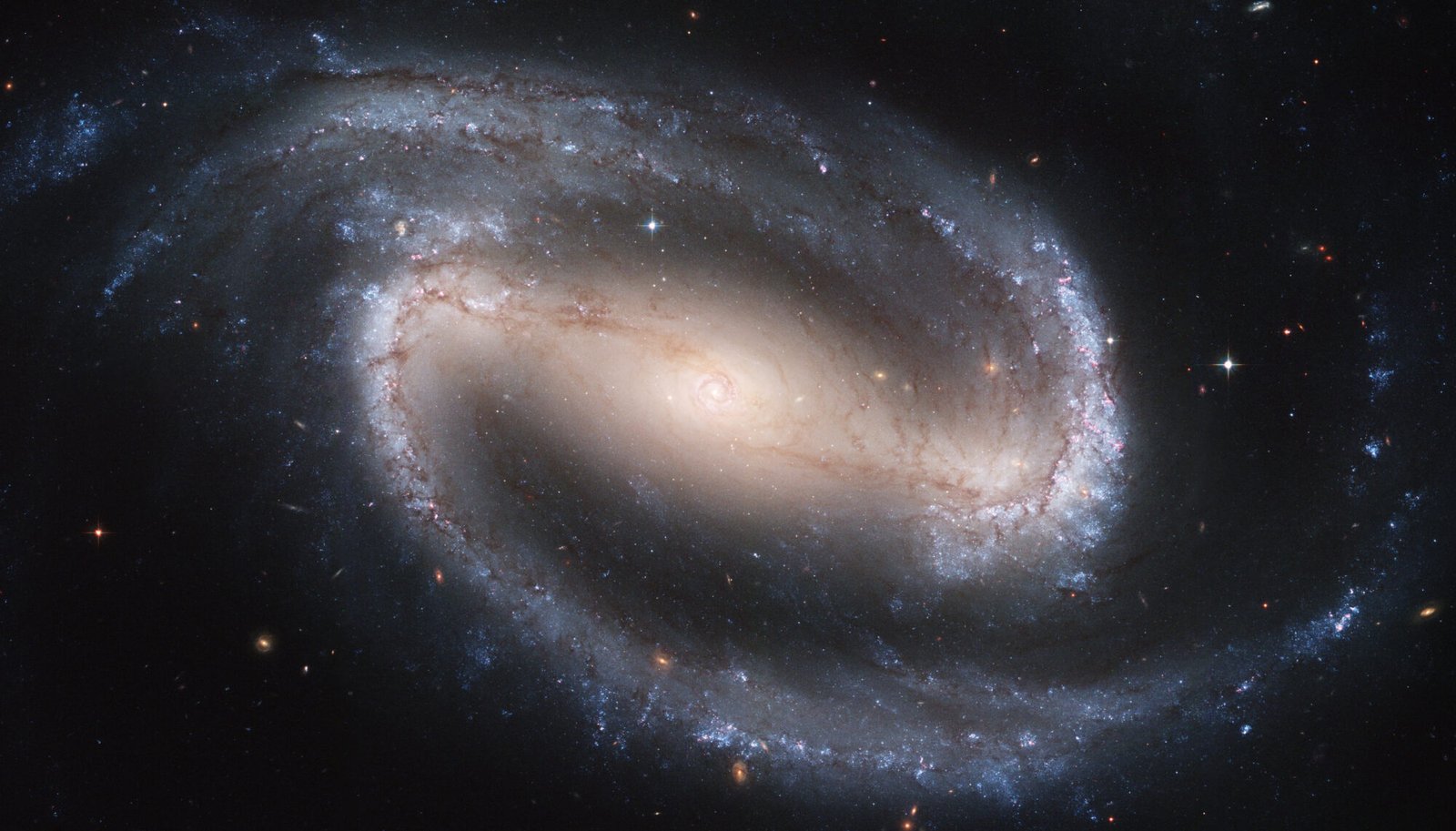
The study reports a detailed visual morphology catalogue for Euclid Quick Release 1, covering 378,000 bright or extended galaxies. The catalogue includes features such as bars, spiral arms, and ongoing mergers.
Why the authors say this matters
The authors say the measurements are fully automated and therefore fully scalable. They also note that this catalogue is the first 0.4% of the roughly 100 million galaxies in which Euclid will ultimately resolve detailed morphology.
What the researchers tested
The researchers created the catalogue by fine-tuning the Zoobot galaxy foundation models on annotations from a one-month campaign by Galaxy Zoo volunteers. They applied this approach to Euclid Quick Release 1 galaxy images.
What worked and what didn't
The abstract states that the catalogue was successfully produced and that the measurements are fully automated. It does not describe failures, comparisons, or performance limits.
What to keep in mind
The summary available here does not describe detailed validation, uncertainty, or limitations beyond the scope of the catalogue. It also covers only the Euclid Quick Release 1 sample described in the abstract.
- A detailed visual morphology catalogue was produced for Euclid Quick Release 1.
- The catalogue covers 378,000 bright or extended galaxies.
- Galaxy features included bars, spiral arms, and ongoing mergers.
- The catalogue was made by fine-tuning Zoobot models on Galaxy Zoo volunteer annotations.
- The authors describe the measurements as fully automated and scalable.